Roasting coffee beans is easy. You just need a metal pan and fire.
Roasting coffee beans well is slightly harder. You need to pay close attention.
Roasting coffee beans excellently and consistently is both art, talent and science. It requires great skills and experience.
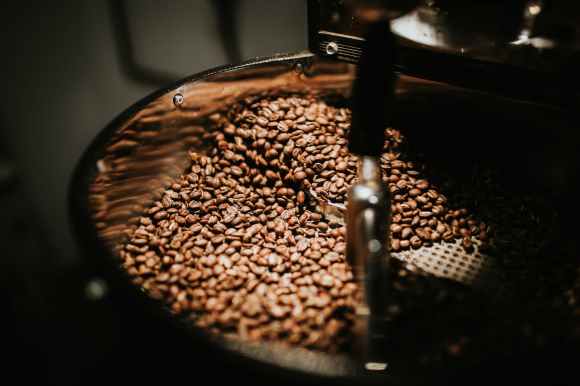
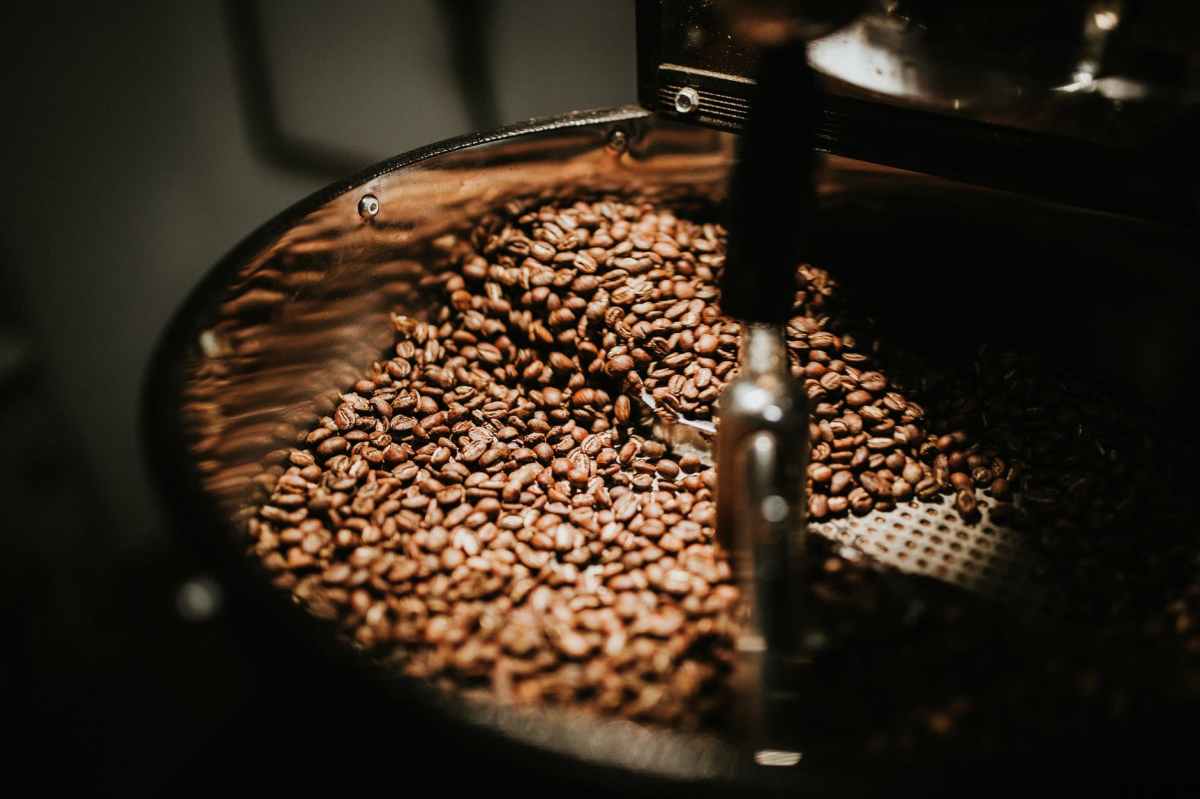
When you roast the coffee beans, the Maillard reaction creates a multitude of chemical compounds from around 145 C and caramelizes sugars present in the bean.
Roasting specialty coffee beans is on another level because they are of higher quality and you are trying to highlight, enhance or bring out certain flavors and tones that make that particular (micro)lot or harvest shine. Do it once and that’s luck. Do it twice and you are good! Do it more than twice and you are a true artist.
In light of celebrating those true coffee artisans and artists out there, here is my highly subjective list of the best coffee bean roasters in the Netherlands:
In alphabetical order:
Black and Bloom, Groningen
Blommers, Nijmegen
Capriole, Den Haag
Dagger Coffee, Utrecht
Dak Coffee Roasters, Amsterdam
Giraffe Coffee Roasters, Rotterdam
Keen, Utrecht
Lot61, Amsterdam
Man met bril, Rotterdam
Manhattan Coffee Roasters, Rotterdam
Single Estate, Den Haag
The Village, Utrecht
Ripsnorter, Rotterdam
Un.common AMS, Amsterdam
Why are they the best? Because they procure excellent beans. They roast to order so you get fresh beans every time. They are also able to create a roast profile that brings out the best of the particular bean.
They make great every day blends that are always outstanding, but also produce time-limited special editions of simply brilliant and out-of-this-world (micro)lots from somewhere special that just blow your mind.
Drinking those is more like enjoying a fabulous bottle of wine than drinking coffee…
Update April 2025: added Blommers, Dak, The Village, Keen
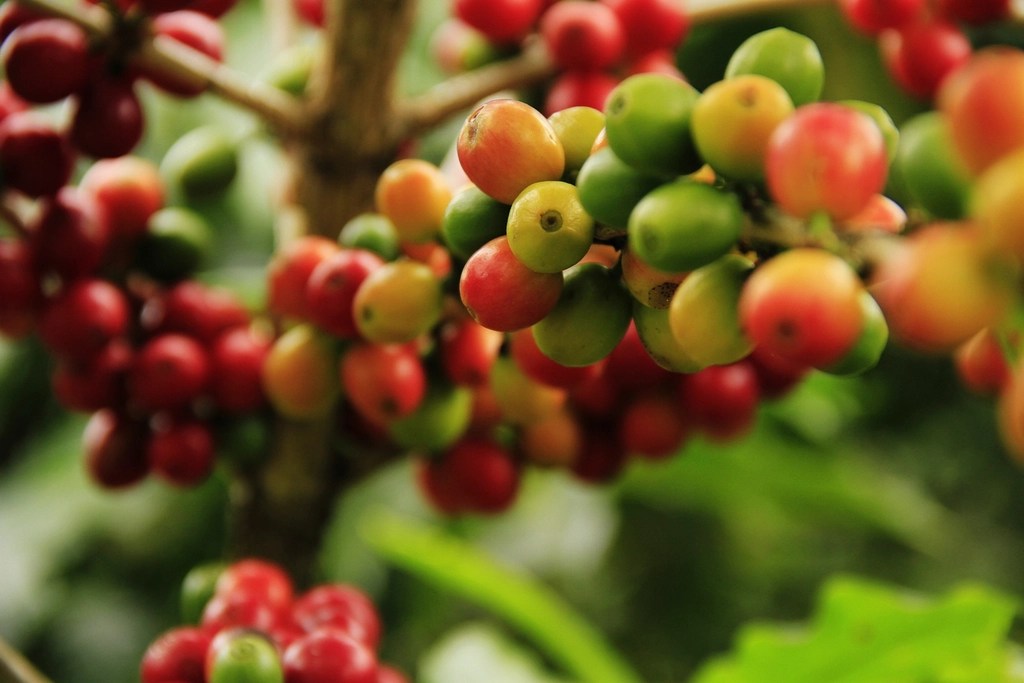
When coffee bushes are filled with cherries and they are ripe (dark red), they can be picked and processed. The skin is removed until only the “pit”or bean of the fruit remains. The bean is green until roasted.
In addition to these three processes, one can apply an optional extended fermentation process that can be applied to both methods.
In the washed method, the most common process, the coffee cherries are pulped to remove the skin and fruit flesh. The beans are then fermented for a shorter period of time, typically around 12 hours. After fermentation, the beans are washed and dried in the sun. Washed coffees generally have a cleaner flavor than natural coffees.
In the natural method, the coffee cherries are left whole and fermented with their skin on. This can take anywhere from one to three weeks, depending on the weather conditions. The natural fermentation process in the fruit during this period breaks down the sugars in the coffee cherries, which contributes to the flavor of the finished coffee. After fermentation, the coffee cherries are dried in the sun until they are brittle.
An additional extended fermentation process can be applied to both natural and washed coffees. In this process, the coffee cherries or beans are fermented in an anaerobic environment, which means that there is no oxygen present. This can create a more complex and fruity flavor in the finished coffee.
Here is a summary of the different processing methods:
Natural: Coffee cherries are fermented with their skin on for an extended period of time (1 to 3 weeks). This results in a coffee with a more complex and fruity flavor.
Washed: Coffee cherries are pulped to remove the skin and fruit flesh, then fermented for a shorter period of time (12 hours). This results in a coffee with a cleaner flavor.
Honey: Coffee cherries are pulped to remove the skin and some of the fruit flesh, leaving behind some of the mucilage. The amount of mucilage left on the bean affects the final flavor profile.
Extended fermentation: Coffee cherries or beans are fermented in an anaerobic environment. This can create a more complex and fruity flavor in the finished coffee.
The video below shows you the difference between natural and washed coffee processing, including a 72-hour anaerobic fermentation process for natural coffee.
The video starts with showing freshly picked red coffee cherries. They show that only red cherries are picked because they are at optimal ripeness (i.e. sugar content).
Natural method
The author of the video (Roaster Kat from Germany, who operates a YouTube channel showing what her work is like) explains that the skins are left on the cherries during this process. The cherries are dried until the skins crumble and fall off easily.
Then the video dives into an optional, additional, natural coffee processing. First, the coffee cherries are put in a plastic bag to ferment anaerobically, which means there is no oxygen. Yeast and bacteria are added to the bag to consume the sugar in the coffee cherries.
After four days of fermentation, the coffee cherries are taken out and rinsed. They are then laid out on a drying patio to dry for one to three weeks.
Washed method
Next, the video explains washed coffee processing. The skins are first removed from the coffee cherries using a long soak in water and a depulping machine.
Then, the beans are fermented in a tank with water for about 12 hours. The narrator explains that this fermentation process is shorter than the one used in natural coffee processing and its purpose is to remove a layer of sticky sugar from the beans. After fermentation, the coffee is rinsed and dried on a patio for several days.
Finally, the video shows how coffee is processed at a dry mill. The dry mill removes the outer layers from the coffee beans and sorts the beans by size and density.
Anaerobic fermentation
The video also talks about extended fermentation, which is a process that can be used with both natural and washed coffee. RoasterKat explains that extended fermentation can give coffee a unique flavor. In the video, they use a 72-hour anaerobic fermentation process.
Fermentation introduces a wealth of different and unique flavors in coffee. Very similar to how grape juice is fermented to wine. The process can be influenced by introducing other yeasts onto the coffee beans than those naturally occuring in their habitat. Commercial yeasts are readily available from companies such as DSM and you can choose the yeast by the flavor you want to create afterwards.
Need more information? Check out this article explaining the different processes in great detail.
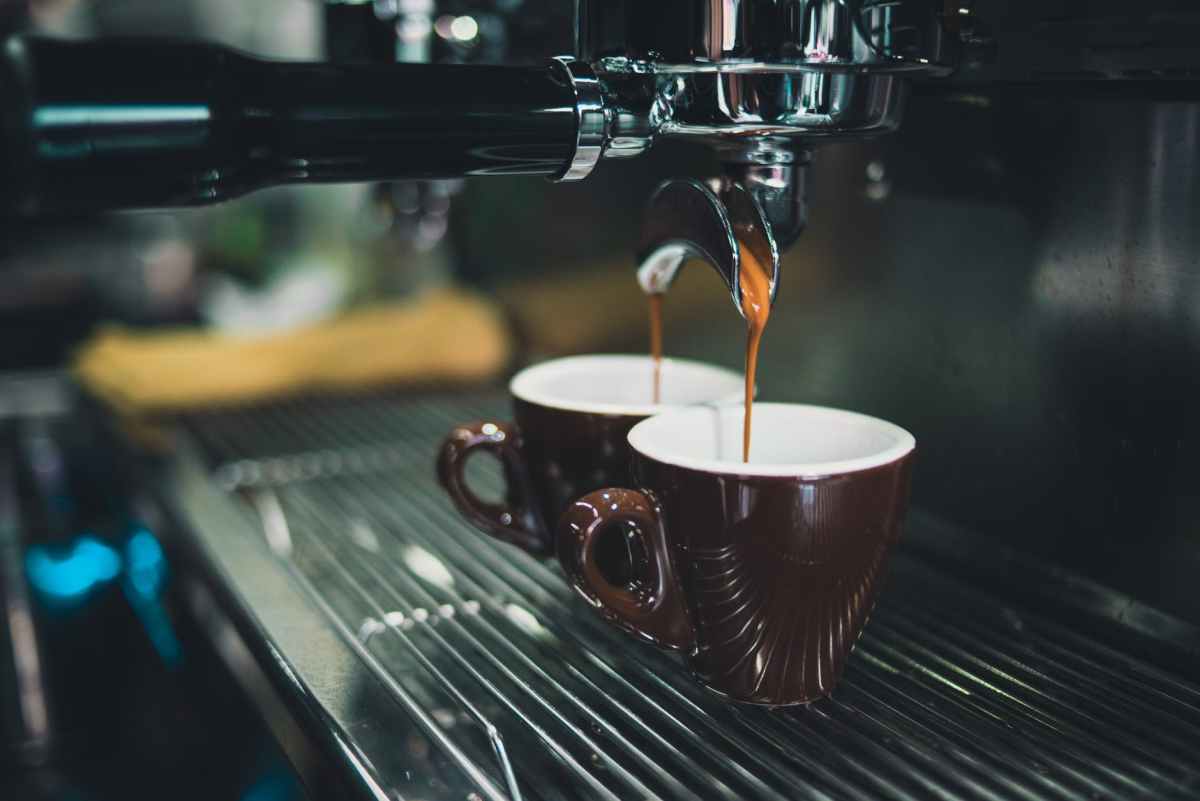
Scientists have finally answered a burning question of mine: why should an espresso be brewed in 25 +/- 2 seconds and use approx 15-22gr of dry coffee to yield 50ml of (a double) espresso?
Who came up with this rule and why? Not that I have a specific problem with it but it seems so arbitrary. Also, once you start to make espresso’s a day long, you’ll notice that it’s really hard to dial in the equipment a certain way and maintain those rules for every cup. Sometimes it’ll be 21 seconds, sometimes 29. The grinder is pretty accurate. The beans are practically the same. So where does this high variation come from?
Well, it turns out that brewing your espresso differently yields the same great taste and flavors while achieving this with much greater consistency and reducing the cost per cup of espresso!
How did they do it? Well, they started by reducing the process to a proper model with solid mathematics behind it. Brewing an espresso is basically fluid dynamics of a bed of particles. The “puck” being coffee grinds of varying sizes and water is pushed through this bed at a certain pressure.
These mathematics are very well understood and accepted. So the scientists started with this model, created equations for everything and solved the equations using differential equations. That resulted in a few parameters and then they found the optimal solutions.
Sounds easy enough but believe me the math is pretty impressive, yet their logic is sound.
Turns out if you lower the pressure to 6 bars instead of 9, use 7-15gr of dry coffee, ground coarser than tradition tells you to and aim for an extraction of 8-15 seconds, you will get a beautiful espresso that is much easier to reproduce!
Using less coffee can save up to 30% of your cost and in high volume locations, you can turn out coffees faster than before!
Don’t believe it? Even Lance Hedrick has a video about it, albeit 5 years after the fact…
So I decided that this valuable guide to the best coffee beans in the Netherlands needed to be updated!
Christian, January 2024
What are the best coffee beans in the Netherlands? Well, that depends a little on personal taste and favorites, but I can tell you who roast amazing coffee beans in the Netherlands and sell their coffee online!
Traditionally, there are a handful established coffee roasters in the Netherlands who have been producing specialty coffee since it wasn’t called specialtycoffee. These are oldskool roasters who’ve always been on the lookout for great green beans, source great coffee farmers and who know how to source these beans and treat them well. In my opinion, these are:
Capriole Coffee Service, Den Haag (1975) capriole.nl
However, the whole third wave coffee movement have sparked a bunch of great newcomers with new routes, difference sources, smaller batches and that great newcomer creativity and curiosity. They get beans that are “off the beaten path”, if you will, or from non-traditional coffee producing countries.
More recently, since roughly 2010, coffee farmers are experimenting with added fermentation of beans before drying them. This creates a whole range of funky flavors.
Some are pretty large scale roasters already, roasting dozens kilos of coffee every single day to keep production and delivery going. But others are small, artisan roasters, roasting green coffee beans to order once or twice a week.
I’ve had excellent coffee beans from all of these sources, but three that stand out for me and who’s taste I can still recall are:
Fabulous lush sweet yellow fruit tones combined with a medium to full body coffee, just enough bitters and everlasting flavors. And the smell when you brew is intoxicating!
Super tasty creamy coffee with red fruit tones and a full body. But the peculiarity is the thick fermented “wine-like” notes you smell when you open the package.
What’s the best coffee I’ve had from a non-Dutch source, you ask?
Amavida Coffee! ❤ Price was high but the rewards were too!
But don’t take my word for it! Check (the sadly discontinued) “Koffie Top 100” from 2018, which ranked the 100 best places to drink coffee in the Netherlands, and a find a place near you that excels in making coffee. Ranking was made by a professional coffee jury and each venue was visited at least 2x to see if they were consistent. Very impressive list, even today.
For a more recent assessment of coffee in the Netherlands, check the fantastic site koffietje.nl by the always lovely Sam. She brings a personal note to all the coffees she tries. If she likes it, you know it’s good. But if it’s great depends on you!
Update May 2022: Added Blommers to the list after tasting their excellent beans during the Dutch Brewers Cup finals in March 2022 at the Amsterdam Coffee Festival (ACF).
Update Jan 2024: Added Uncommon Amsterdam, Little Roastery and (how could I forget?) the Village Coffee. Small typos corrected and added note about fermentation of beans. Mentioned koffietje.nl. Replaced koffie top 100 link. Boon has closed.
This post on Insta by GoldMountain Coffee shows you very clearly the road a coffee bean takes from being planted to harvest, sorting, washing and so on. Very good pictures!
Dutch newspaper NRC did an investigation into the total energy it takes to produce a cup of coffee. By total they mean the LCA, Lifecycle Assessment, from growing to harvest to transport and roasting to you making your cup.
You will be surprised to learn what the most energy efficient type of coffee is. I.e. the least amount of energy required to make one cup of coffee…
Als je thuiswerkt en verse koffiebonen nodig hebt, check dan deze megapost met links naar alle branders in Nederland, die bekend zijn, met een webshop om bonen te bestellen! ☕🌱
Koffietje.nl worstelde met dezelfde gedachten als ik:
Hoe kom ik aan lekkere, goede, verse koffiebonen voor m’n koffie als ik het huis niet meer uit mag?
Bezorgen natuurlijk, maar door wie? Wie brandt nog dagelijks koffiebonen en heeft een webshop waar ik die kan bestellen zodat ze bij mij thuis bezorgd kunnen worden? Want ik wil geen oude bonen! 😀
En als jij zelf nog goede suggesties hebt, geef ze vooral door aan koffietje op facebook! Daar hebben we allemaal wat aan!
PS: Ben je een koffiebrander maar heb je nog geen webshop zodat klanten bij je kunnen bestellen? Neem dan ff contact op! Zelfs met een gratis Google Forms bestelformulier kom je een heel eind en dat is zo gemaakt! Shopify kan ook maar vergt meer tijd, heb je later ook wel weer wat aan.
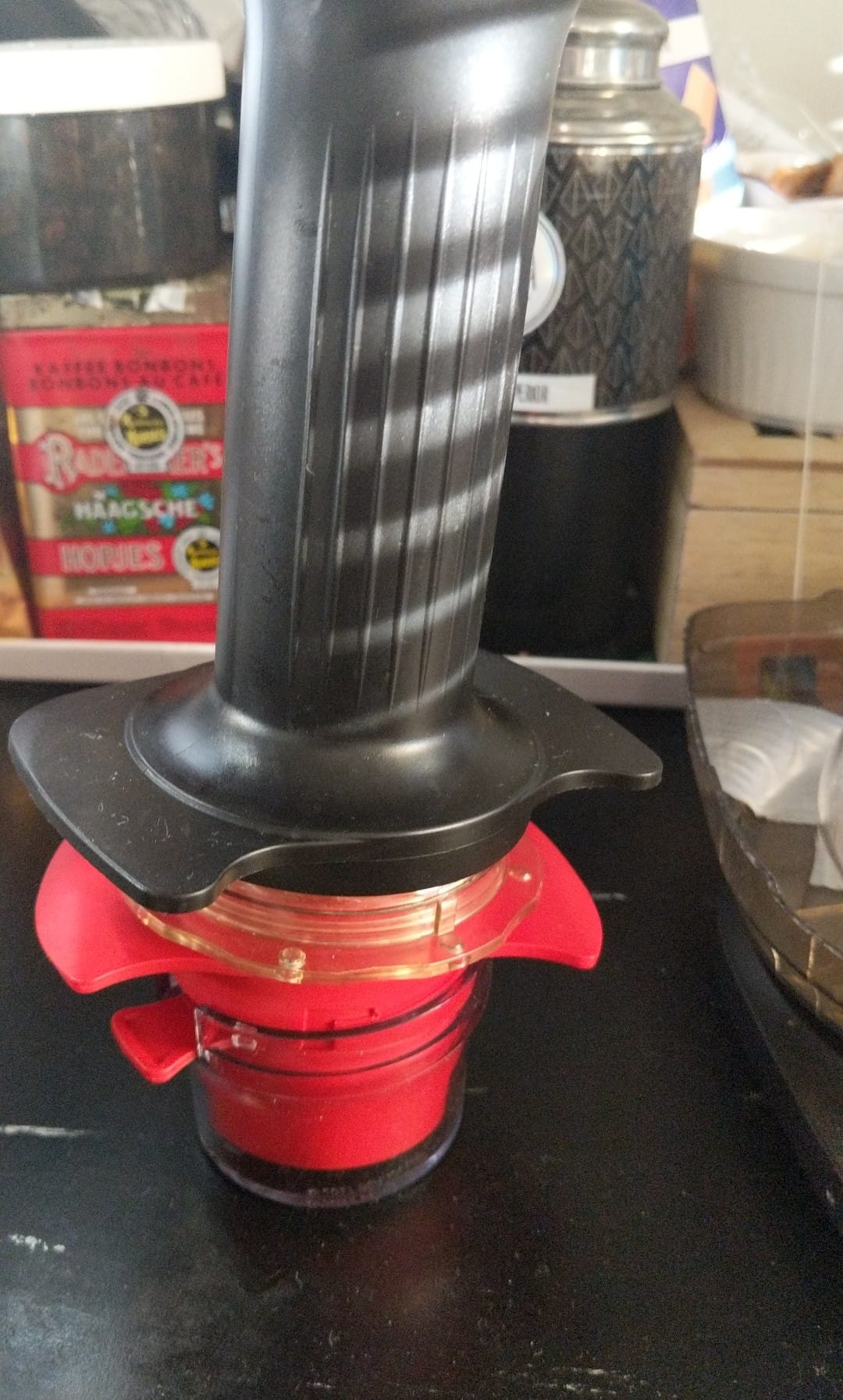
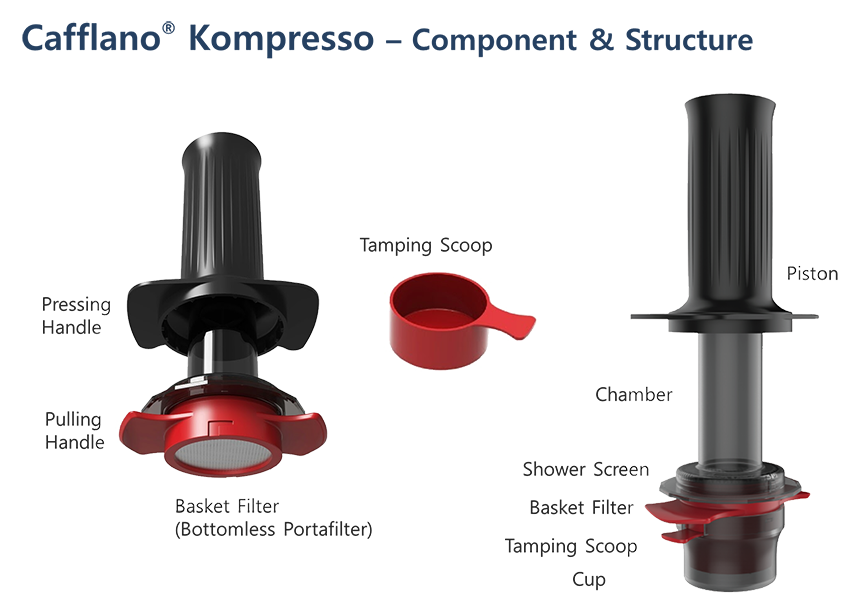
To all my fellow coffee fanatics who crave a good espresso but cry every day because the coffee places are mostly closed: you owe it to yourself to get a Cafflano Kompresso! The only way to make anything that comes close to an espresso at home, easily.
Cafflano Kompresso
It’s durable, cheap and portable. Will save your travels, hotels, and vacation rental too! Works on a train boat or train.
Only hot water needed to make an espresso anywhere
Cafflano Kompresso
You can grind your own beans (for best results) or start out with ground coffee from the supermarket. I’d choose a medium roast wherever possible, not a dark, French or Italian roast, as these are likely to turn out too bitter and “ashy”, IMHO.
Then move up to a pound of gourmet coffee from your favorite shop around the corner, ask them to grind it for “espresso”. This way, you can still support your local shops even though they can’t make you your coffee and you create a nice relationship with them for when all this is over and you can get a real espresso again!
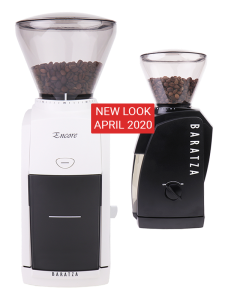
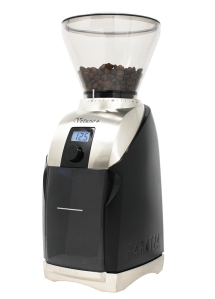
And eventually get your own grinder. If you do, get a burr grinder, always! The best entry-level grinder out there is the Baratza Encore, for approx $130 or so. One step up and only different in the number of different grind-size settings it has, it the Baratza Virtuoso.
Baratza Encore
Baratza Virtuoso
Baratza was bought by powerhouse and specialty coffee shop darling grinder manufacturer Mahlkönig (German for “King Grinder”, BTW!). It’s the only thing they do, build grinders. They are superb in quality and stability, the latter meaning they grind still very well when the burrs start to get dull.
Now, if you’ve read trhis far that means you are serious about coffee, just like myself. I like that.
If you’re thinking of getting the Kompresso, you may also be interested in the Cafflano Klassic. It’s the filter coffee equivalent of the Kompresso. Having the two means you will never NEVER EVER having to go without superb coffee that you make yourself. Anywhere, everywhere, all the time. (The Klassic comes with a grinder built-in so you can even grind the beans just before you brew the coffee.
Cafflano Klassic with built-in grinder for on the road. source: Cafflano
I’m happy to inform you that I’ve found a super freelance coffee partner in Amersfoort! It’s also really close to our new home, if the purchase goes through, so that’s even better!
I’m helping out 3 days a week in the relaxing atmosphere of the coffee salon and tea house Boeken Bonen & Blaadjes in het Singelhuys in Amersfoort. It’s a place cultural center and lunchroom with a vintage feel that boasts barista training workshops, private dinner events, remote work spots and meeting place as well as being a magnificent place to chill, relax and unwind in a “home away from home” style. Couches, comfy chairs, a quiet corner or the central tables to meet others and shares experiences.
Boeken Bonen & Blaadjes
Joet Halmos, the owner, could use the extra hands during the lunch rush and would like to leave the coffee and tea prep in capable hands so she can focus more on guests and preparing lunches (the ample bread platters are really worth the trip alone!).
Filter Thursday
On Thursday’s I’m there and using the day to experiment and practise with filter coffee brewing methods as well as assisting where and when needed. So I try new beans, choose and finetune recipes and experiment with an Aeropress, Hario V60, Chemex or Kalita Wave. Once Summer comes and days get hotter, I’m sure I will also try cold drip and cold brew coffees to see how temperature affects taste and flavors. All this to better prepare for the qualifying rounds of the Dutch Brewers Cup 2020 later this year in November.
Friday and Saturday I help out with the lunch rush and assist Joet wherever needed between 11:00 and 15:00 those days.




 No Pressure Coffee