Categories
coffee news travel

SL9 Coffee: A Hidden Gem from the Peruvian Andes

Ever wonder if your favorite coffee can actually lie about its identity? For years, an ordinary bean from the Peruvian Andes called “Inca Gesha” was the talk of the town. It was floral, sweet, and tasted expensive. Everyone – from farmers to world-class roasters – was convinced it was a relative of the famous Panamanian Gesha.

Then someone did the DNA test.

It turns out “Inca Gesha” isn’t Gesha at all!

It is a rare, long-lost Kenyan variety called SL9 (specifically: Selection 9). This discovery didn’t just change the name on the bag; it unraveled a mystery involving 1940s secret research stations, 1960s global missions, and a 1980s insurgency.

When “Gesha” Isn’t Gesha

In the high-altitude region of Inkawasi, Cusco, farmers have been growing a special coffee that tastes like a tropical Asian dream. Because it grew at crazy heights – sometimes over 2,300 meters – and had that signature floral punch, it was naturally dubbed “Inca Gesha” [1][2].

But coffee professionals noticed something strange. Its trees didn’t look like Gesha. Gesha trees usually have long, drooping branches and distinct bronze or green leaf tips. These Peruvian trees looked… different.

To settle the debate, Lance Schnorenberg of SEY Coffee sent leaf samples to Dr. Christophe Montagnon at RD2 Vision, a leading genetic lab in France. The results were a bombshell: the coffee was a genetic match for SL9, a selection from the Scott Agricultural Laboratories in Kenya [2].

The Secret Life of Scott Labs Selection 9

The “SL” stands for Scott Agricultural Laboratories, a Kenyan research station famous for creating the “rockstars” of the coffee world: SL28 and SL34. Most coffee geeks know these for their blackcurrant and tomato-like flavors.

SL9 was different. It was a single-tree selection made in the 1930s from a block of unknown origin at the lab [1]. While it tasted amazing, it was prone to a nasty disease called Coffee Berry Disease. Because of this, it was largely discarded in Kenya. It was a “lost” variety that was never supposed to make it big.

How Did It Get to Peru?

This is where the story gets wild. How did a discarded Kenyan seed(ling) from the 1930s end up in the Peruvian Andes? Christopher Feran, a coffee researcher, has uncovered two main theories:

Theory 1: The Tingo Maria Station and the Insurgency

In 1942, the U.S. Department of Agriculture (USDA) helped Peru set up the Tingo Maria Agricultural Experiment Station. It was a hub for testing exotic plants. In 1964, a major FAO (Food and Agriculture Organization) mission to Ethiopia collected thousands of wild coffee seeds. Some of these “Ethiopian Legacy” seeds likely made their way to Tingo Maria [2].

However, in 1988, the station was destroyed by the Sendero Luminoso (Shining Path), a rebel group. Before the station went up in flames, it’s possible that seeds were taken by workers or distributed to nearby farmers. These “unnamed” seeds may have been planted in remote valleys, where they sat “latent” for decades until specialty roasters discovered them [2].

Theory 2: The “Monastery” Seeds

A more recent local story suggests a man named Don Julio brought seeds back from a monastery in 2011 to Inkawasi. He planted them, and by 2014, they won a local competition. These seeds became the “mother trees” for the local “Gesha Inka” [2].

Whether they came from a research station or a monastery, the cool Andean climate protected the SL9 trees from the devastating diseases that killed them in Kenya, allowing them to thrive and develop incredible sweetness.

What Does SL9 Actually Taste Like?

If you’re expecting a typical South American “nutty and chocolatey” cup, think again. Because SL9 is part of the Ethiopian Legacy group, it behaves much more like a high-end heirloom coffee from Africa [3].

  • Intense Aromatics: You’ll find heavy florals like jasmine, lavender, and orange blossom.
  • Tropical Fruits: Common notes include mango, dragon fruit, and melon.
  • Candy-Like Sweetness: Many roasters, including Nordic Brew Lab and Sey, describe a “hard candy” or “star fruit” sweetness [1][4].
  • Structure: It has a dense, complex acidity that feels “bright” but refined.

The Roasters Leading the Charge

If you want to try this “lost” variety, look for bags from these specific producers and roasters:

  1. Albino Ibias (Tres Cedros): Growing at a staggering 2,260 meters, his SL9 is known for extreme clarity and honeysuckle notes.
  2. Jhon Saenz (Aromas De Aniz): His lots often feature a 32-hour dry fermentation, which brings out ripe peach and dragon fruit flavors [4].
  3. Wilbert Almanza: A pioneer in the region whose “Inca Gesha” (now SL9) helped put Inkawasi on the map [3].

Brewing Advice: Patience is a Virtue

Because these beans grow so high up, they are incredibly dense. If you brew them like a normal coffee, you might miss the magic.

  • The “Rest” Period: Do not brew these fresh! Expert roasters recommend waiting 5 to 6 weeks after the roast date. This allows the CO2 to escape and the complex tropical notes to fully “open up” [2].
  • Temperature: Use high(er) water temperatures (94°C – 96°C) to penetrate the dense structure of the bean.
  • Grind Size: Start with a medium-fine grind. If it tastes “green” or “grassy,” grind a bit finer.

The Final Word: Why the Name Matters

Some people argue we should keep calling it “Inca Gesha” because that’s the name the local farmers used. But knowing it’s SL9 helps us understand its history. It connects a small farm in Peru to a 1930s lab in Kenya and a 1964 mission in Ethiopia.

As Christopher Feran puts it, coffee is often a “stranger in a strange land” [2]. The SL9 story is a reminder that even in our modern world, coffee still holds secrets waiting to be unlocked by a simple DNA test.

Update: Turns out the SL9 also exists in India (“Indian Gesha”?) and was already discovered by Australian coffee roasters since at least 2014. However, this could turn out to be the SLN9 variety instead. [6]


Footnotes & Research References

  1. Ozone Coffee Roasters: Varietal Spotlight: SL9. Discusses the genetic link to Scott Labs and the unique cup profile.
  2. Christopher Feran: The Lost Origins of “Inca Gesha” (2026). The definitive deep-dive into the DNA testing, the Shining Path insurgency, and the Tingo Maria research station.
  3. Fellow Products: Brewing Guide for Peru Gesha Inka. Highlights the Ethiopian Legacy genetics and specific brewing ratios.
  4. Sigma Coffee UK / SEY: Producer Profile: Jhon Saenz. Details the 2,300m elevation and specific 32-hour fermentation techniques for SL9.
  5. RD2 Vision / Dr. Christophe Montagnon: Genetic Fingerprinting of Coffee. Technical background on how SL-type material was identified in Peruvian populations.
  6. Five Sense Coffee: Lured by the SL9 Coffee of India, 2014-03-19

Further Watching

For a deeper look into how these coffees are sourced and roasted, I highly recommend checking out Lance Hedrick (over 400k subscribers on YouTube). He has collaborated extensively with SEY Coffee and has several videos where he interviews experts like Christopher Feran about the complexities of coffee genetics and processing.

This video features Christopher Feran (the primary researcher on the SL9 project) discussing how processing and genetics impact flavor, which is essential for understanding why the SL9 tastes so different from other Peruvian coffees.
Categories
brewing coffee news travel

Best coffee for on the road

Cold Brew Coffee: Elevate Your Travel Game

For those who love both coffee and adventure, cold brew coffee is a game-changer. It’s not just about the delightful aroma that fills your car, but the complex flavor profile that unfolds over time as you are driving and keep enjoying that wonderful flavor. Unlike traditional coffee, cold brew boasts a smoother, less acidic taste with a lingering finish that keeps you invigorated throughout your journey.

The cold brew method extracts flavor from beans using only cold water (< 20 C/70 F) and a very long brew time. This way, most of the harsh bitters and oils in roasted coffee are not dissolved which results in a coffee with a softer balance of flavors.

https://sca.coffee/

Unleashing the Magic of Sumatra: Indonesia Sumatra Organic

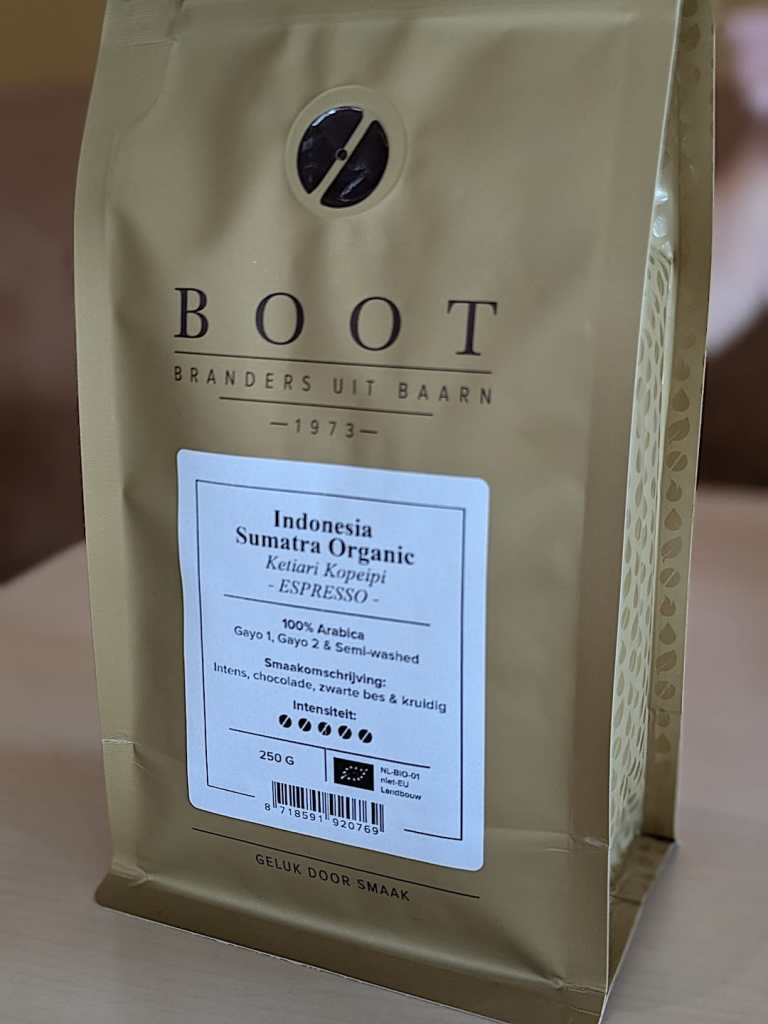
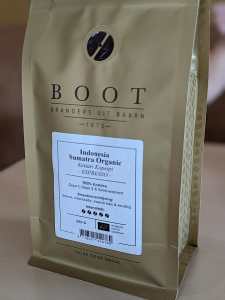
Indonesia Sumatra Organic beans from Boot Koffie

The key to an exceptional cold brew lies in the bean selection. I highly recommend the Indonesia Sumatra Organic beans from Boot Koffie, but you can also find these at Whole Foods and in various online shops. These beans, grown in the rich, volcanic soil of Sumatra in Indonesia, yield a full-bodied, medium-dark roast with a distinct chocolatey undertone and subtle spice notes. This unique character sets them apart from the milder Colombian varieties.

Crafting the Perfect Cold Brew

Achieving the perfect cold brew is an art form and highly subjected to your personal tastes. Here’s my preferred recipe:

  • Ingredients:
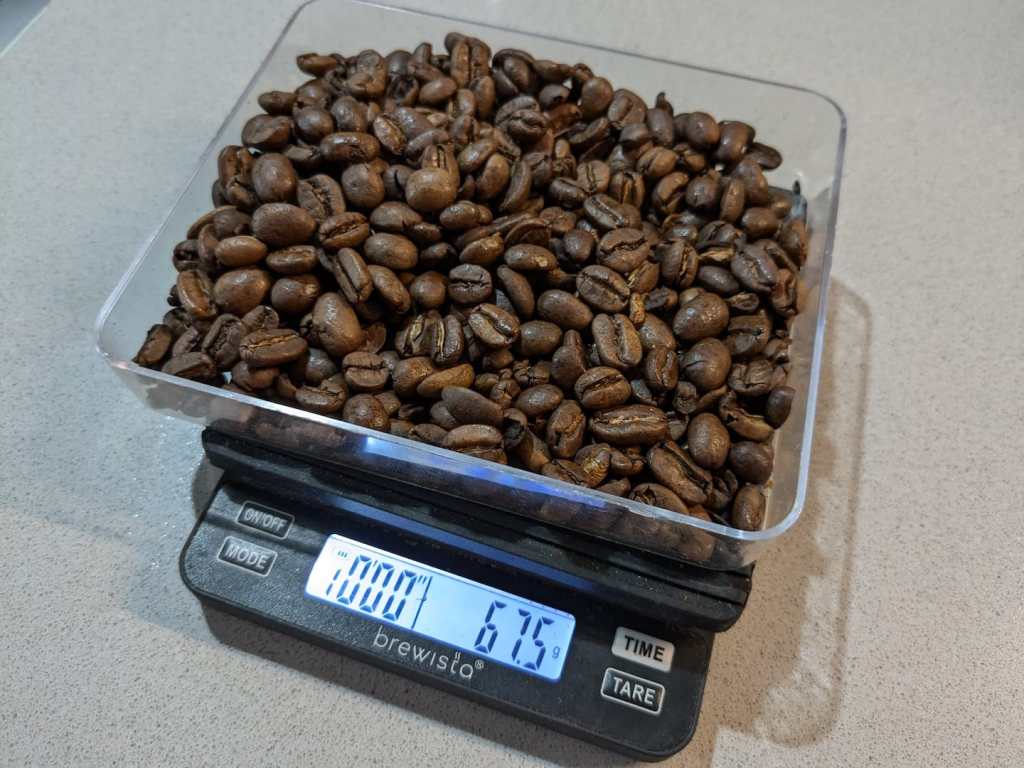
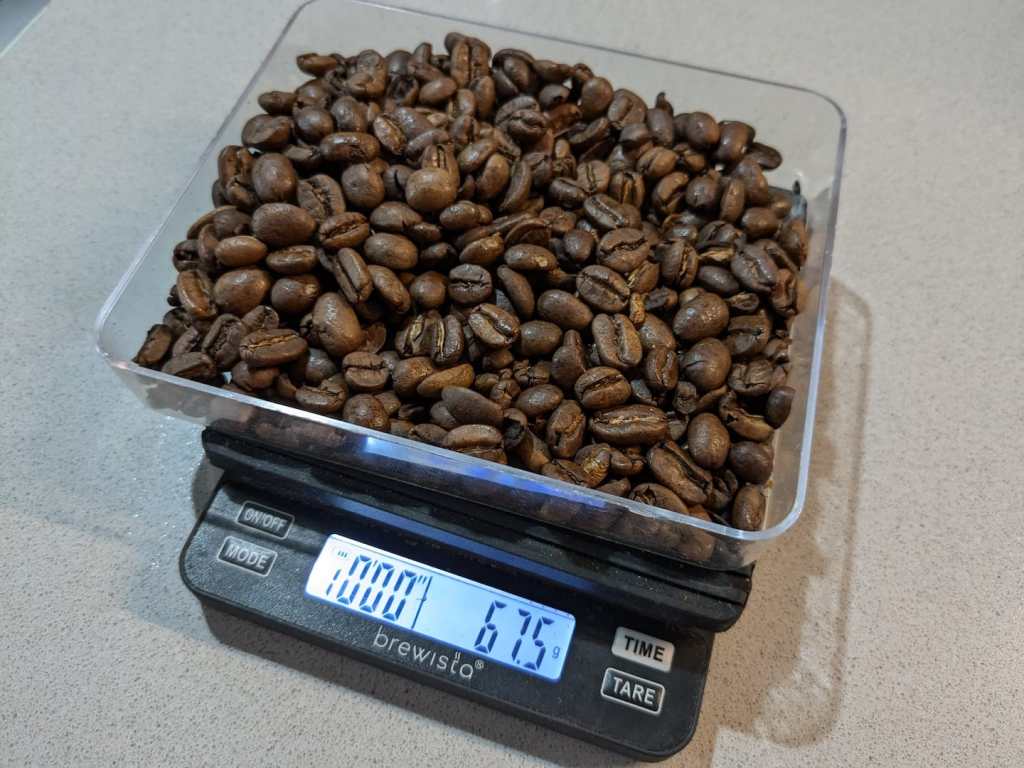
    • 67.5 grams coarsely ground Indonesia Sumatra Organic coffee beans
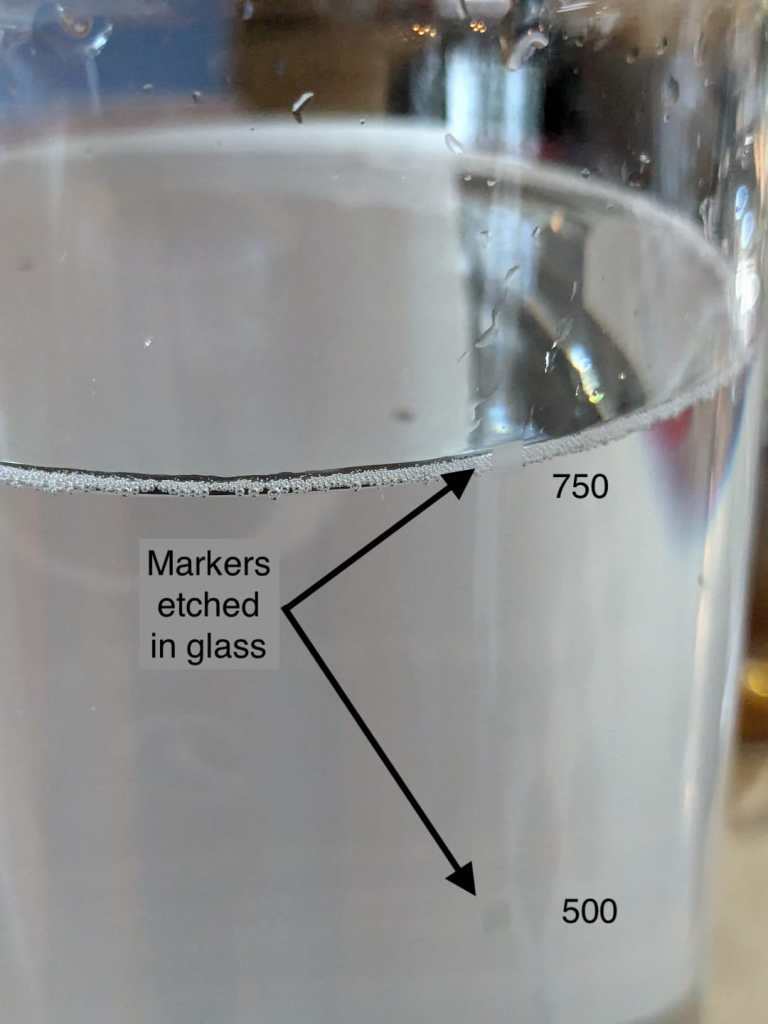
    • 750 ml filtered water
  • Brewing Process:
    1. Combine the ground coffee and water in a container. (5-10 min)
    2. Steep in the refrigerator for 12-24 hours.
    3. Filter through a fine-mesh sieve or cheesecloth. (5 min)
    4. Savor your expertly crafted cold brew.
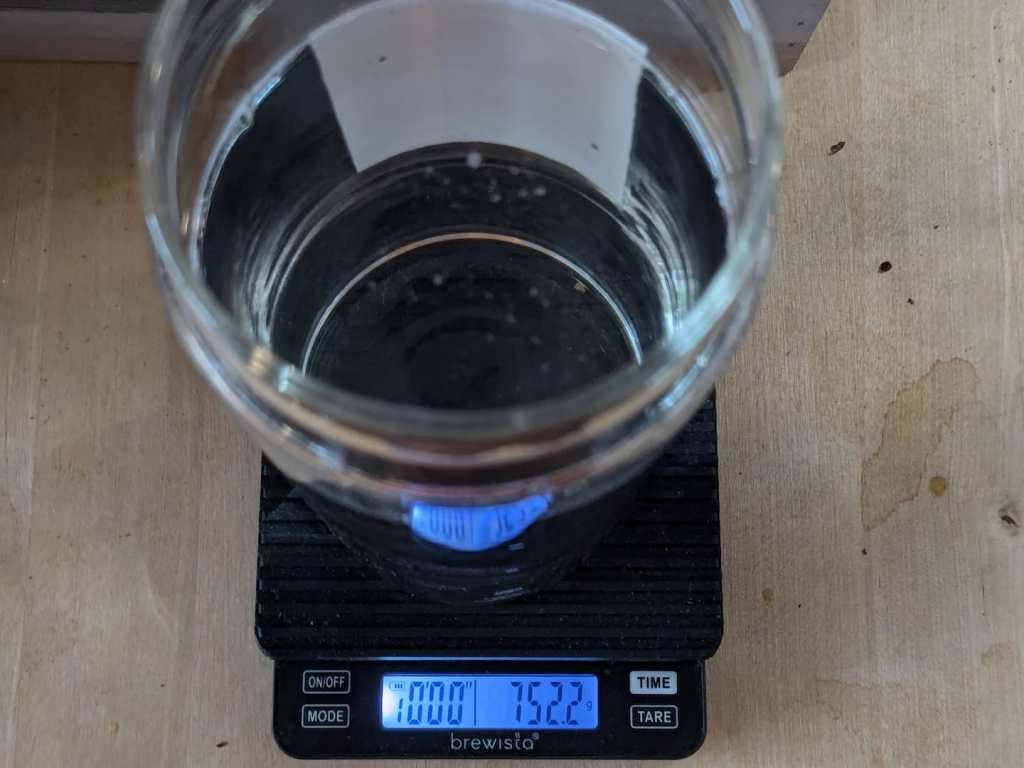
67.5 gr of coffee beans on a scale

While 12 hours yields a flavorful brew, the full spectrum of flavors (particularly the chocolate notes) emerge after a 24-hour steep. Depending on your personal style, you can vary the brew time accordingly. If you like it, that was a good recipe!

A Word of Caution: The Caffeine Kick

Cold brew coffee is known for its potency, packing upto 2-3 times as much caffeine as an espresso or drip coffee. Opt for smaller servings to enjoy its benefits without overdoing it.

Also consider the beans you are using: Robusta beans have 2x the caffeine of Arabica beans! Cold brew is ideally suited for Robusta beans, in my opinion, because the lack of heat means you don’t extract as much of the bitters.

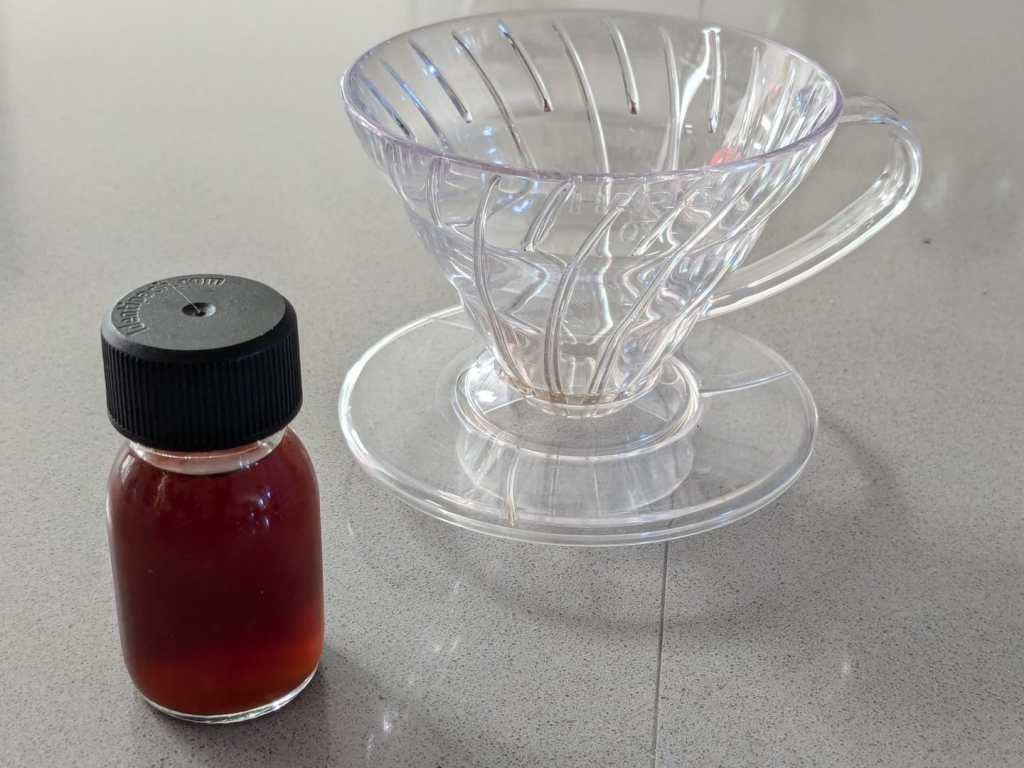
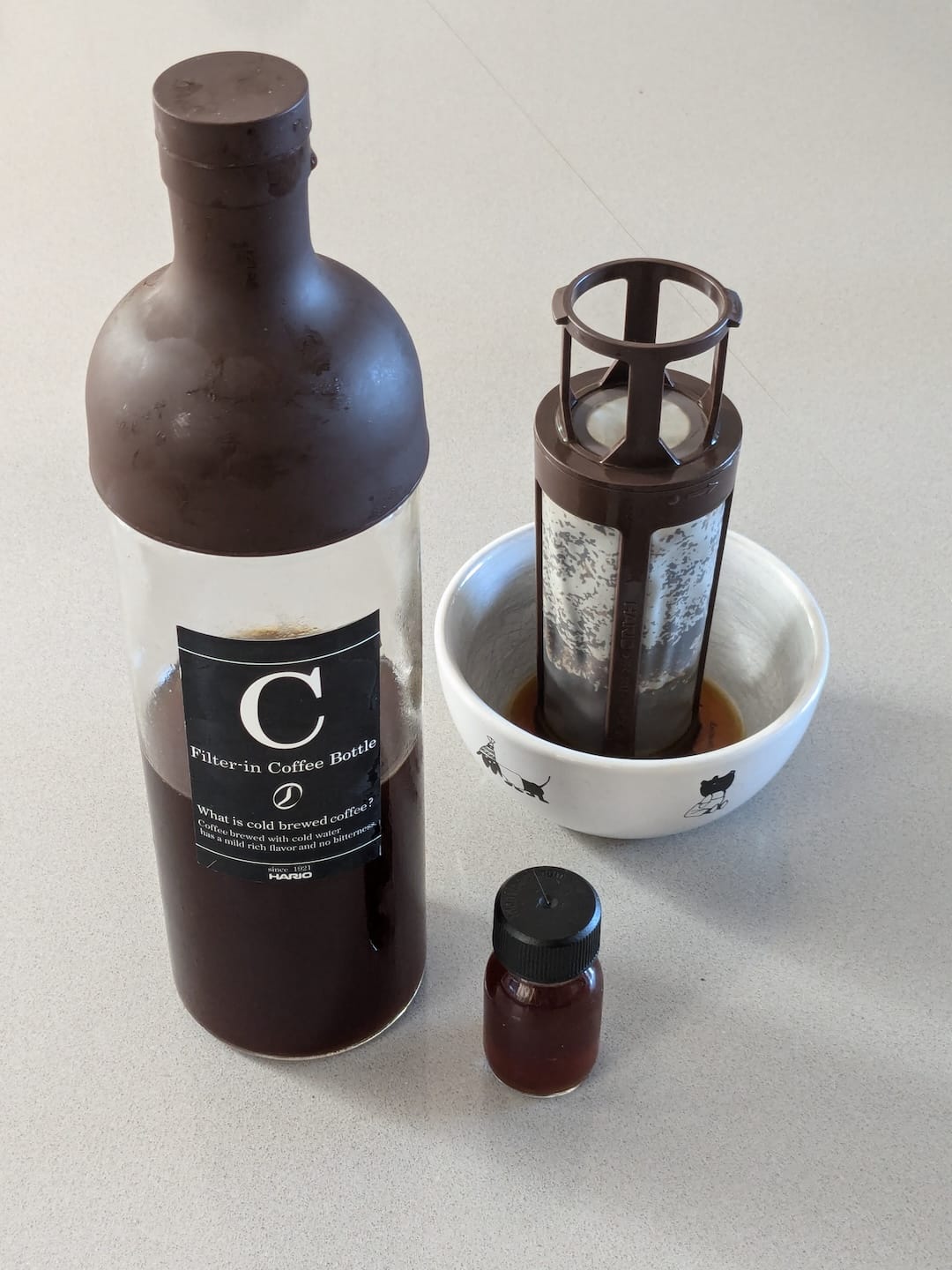
For convenience, I recommend the small, glass, reusable sample bottles available at identipack.com, for instance. Mine serve 50-60ml of coffee.

They’re perfect for pre-portioned servings, allowing you to enjoy your cold brew on the go. As a bonus, you can conveniently open a bottle by yourself, while everyone else in the car is sleeping p[eacefully!

In Conclusion

Cold brew coffee elevates your travel experience. Its alluring aroma, complex flavor profile, and sustained energy boost make it the ideal companion for those on the move. Explore the world of cold brew with the Indonesia Sumatra Organic beans and discover a new level of coffee enjoyment.

Equipment & Gallery

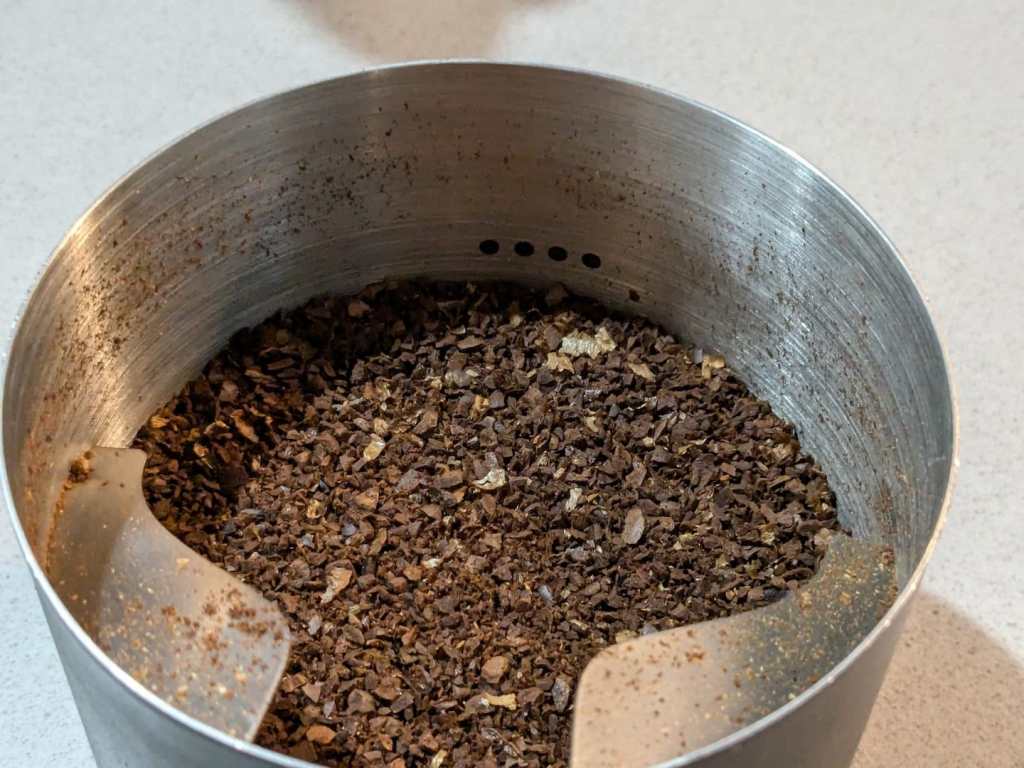
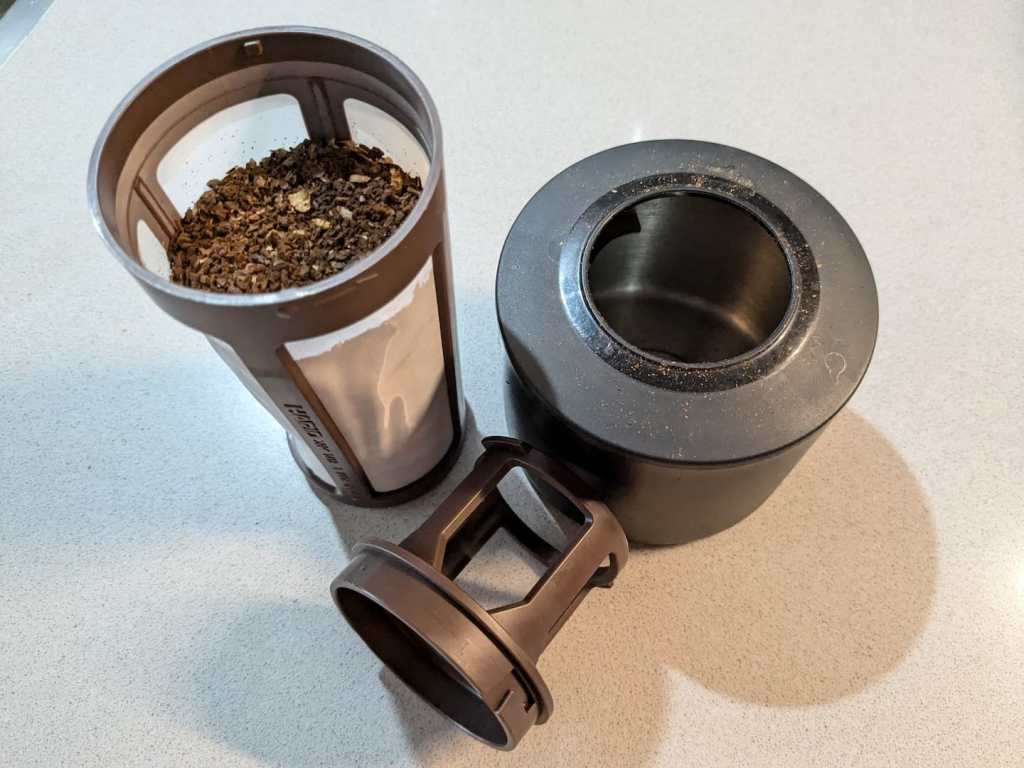
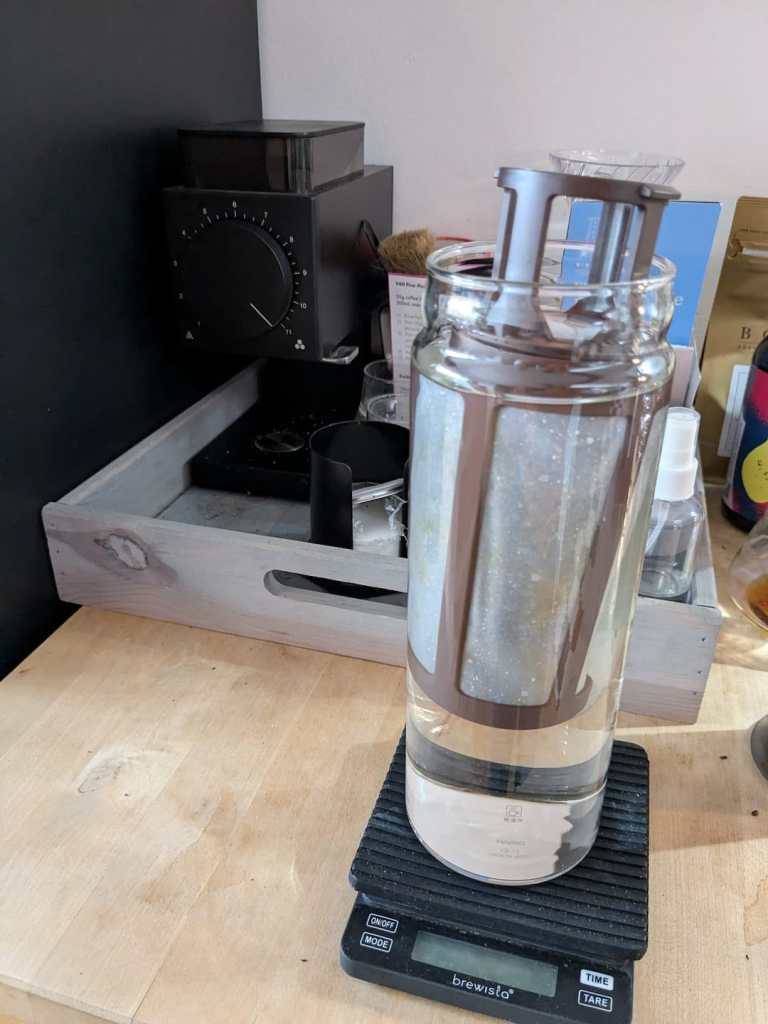
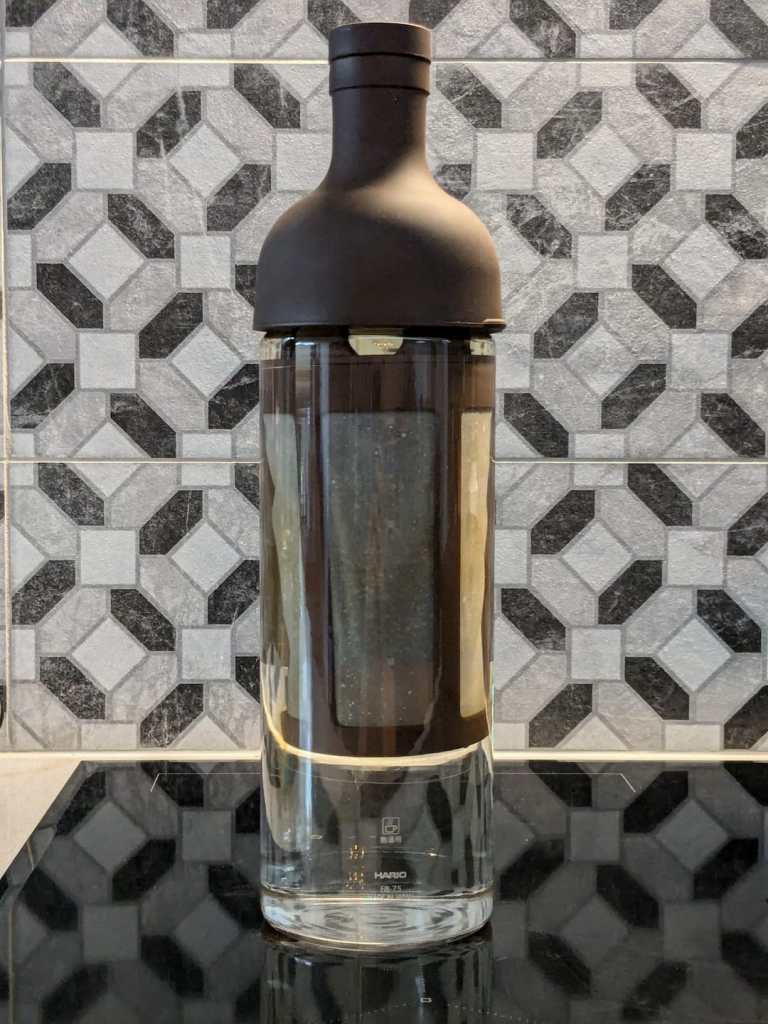
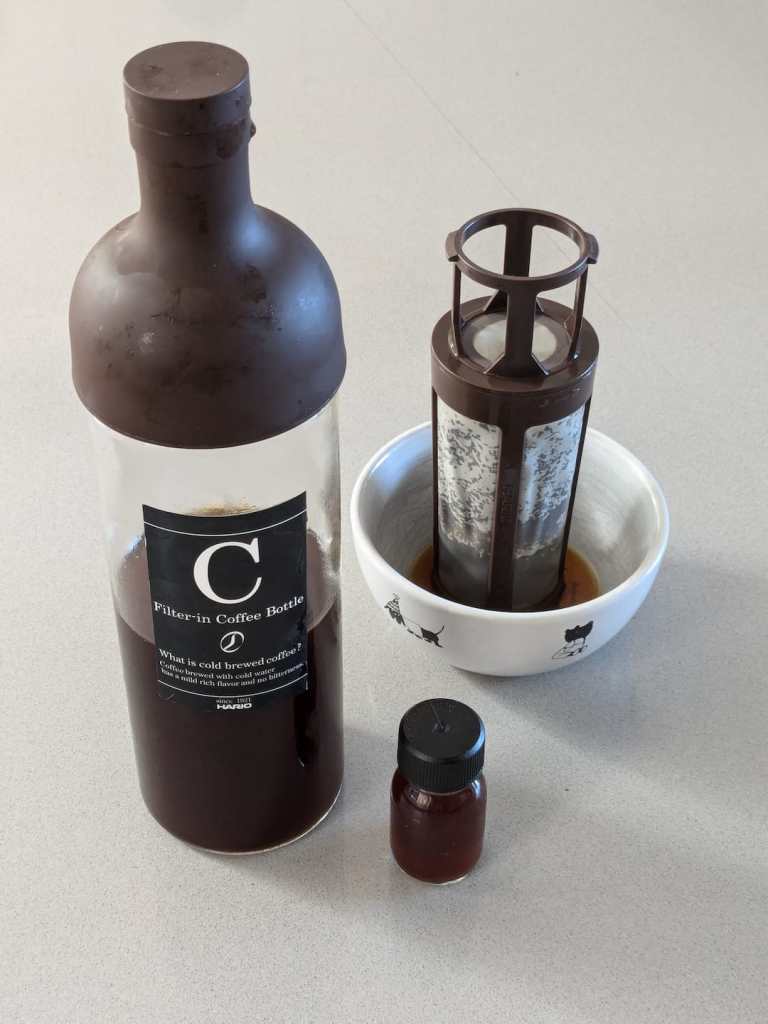
Below you can see a set of photos of how I prepared my cold brew. The brewer I use is the simple, elegant but great Hario Filter-In-Coffee bottle, available everywhere for approx 30-40 Euros. There is a larger version, but be careful: it holds so much cold brew you will need to notify your physician of what you are doing! (A joke, do not drink a liter of cold brew!)

Categories
brewing coffee news travel

Making An Espresso At Home During The Corona Crisis

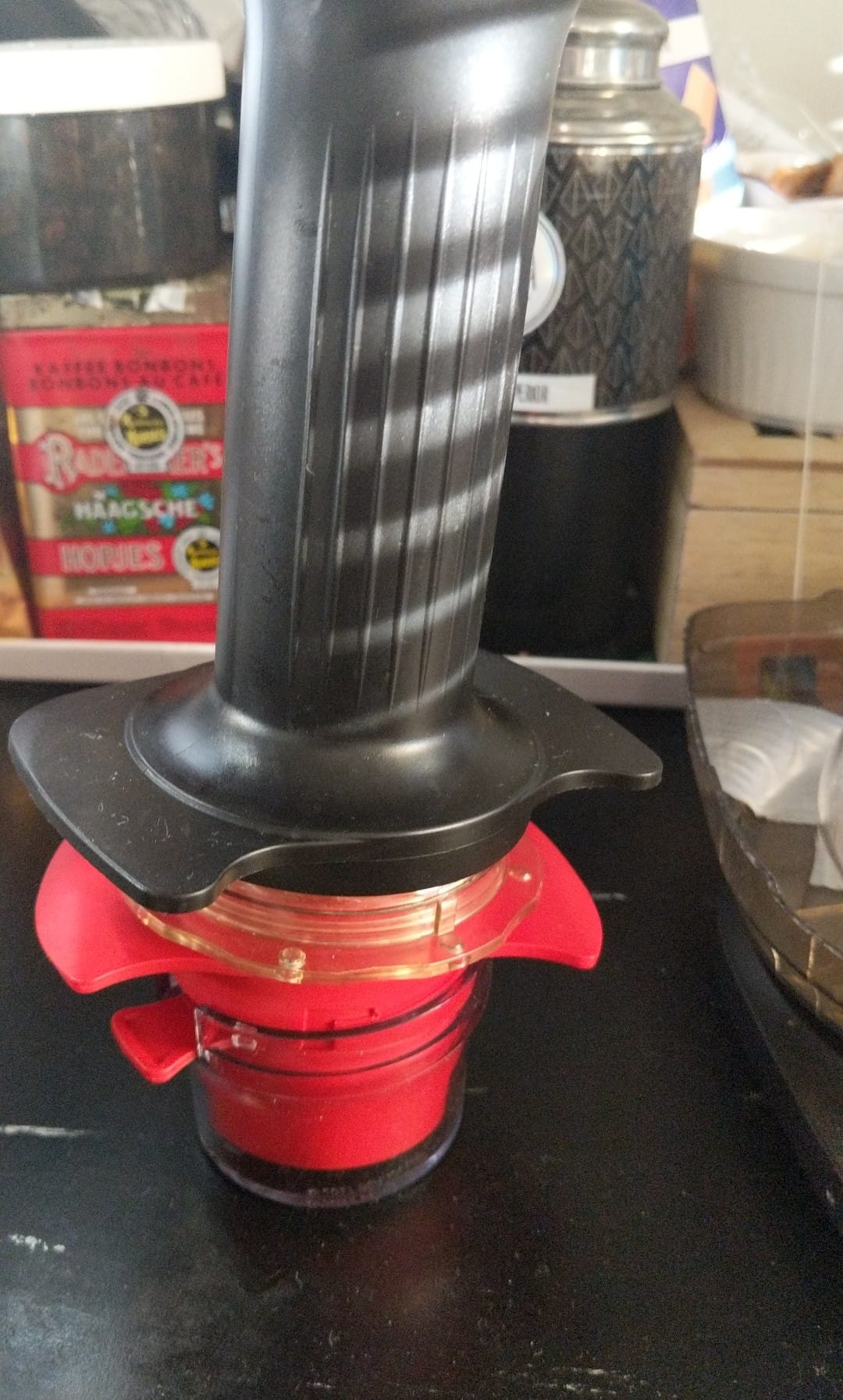
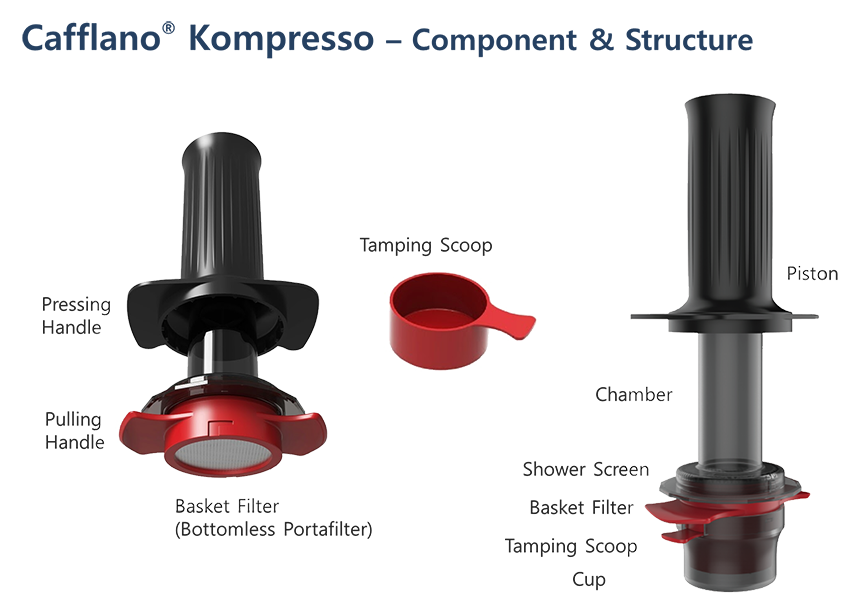
To all my fellow coffee fanatics who crave a good espresso but cry every day because the coffee places are mostly closed: you owe it to yourself to get a Cafflano Kompresso! The only way to make anything that comes close to an espresso at home, easily.

cafflano kompresso blow up view of components
Cafflano Kompresso

It’s durable, cheap and portable. Will save your travels, hotels, and vacation rental too! Works on a train boat or train.

Only hot water needed to make an espresso anywhere

Cafflano Kompresso

You can grind your own beans (for best results) or start out with ground coffee from the supermarket. I’d choose a medium roast wherever possible, not a dark, French or Italian roast, as these are likely to turn out too bitter and “ashy”, IMHO.

Then move up to a pound of gourmet coffee from your favorite shop around the corner, ask them to grind it for “espresso”. This way, you can still support your local shops even though they can’t make you your coffee and you create a nice relationship with them for when all this is over and you can get a real espresso again!

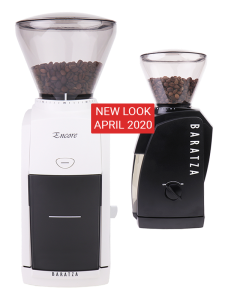
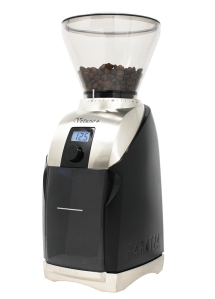
And eventually get your own grinder. If you do, get a burr grinder, always! The best entry-level grinder out there is the Baratza Encore, for approx $130 or so. One step up and only different in the number of different grind-size settings it has, it the Baratza Virtuoso.

Baratza was bought by powerhouse and specialty coffee shop darling grinder manufacturer Mahlkönig (German for “King Grinder”, BTW!). It’s the only thing they do, build grinders. They are superb in quality and stability, the latter meaning they grind still very well when the burrs start to get dull.

Now, if you’ve read trhis far that means you are serious about coffee, just like myself. I like that.

If you’re thinking of getting the Kompresso, you may also be interested in the Cafflano Klassic. It’s the filter coffee equivalent of the Kompresso. Having the two means you will never NEVER EVER having to go without superb coffee that you make yourself. Anywhere, everywhere, all the time. (The Klassic comes with a grinder built-in so you can even grind the beans just before you brew the coffee.

cafflano Klassic
Cafflano Klassic with built-in grinder for on the road. source: Cafflano

You’re welcome!

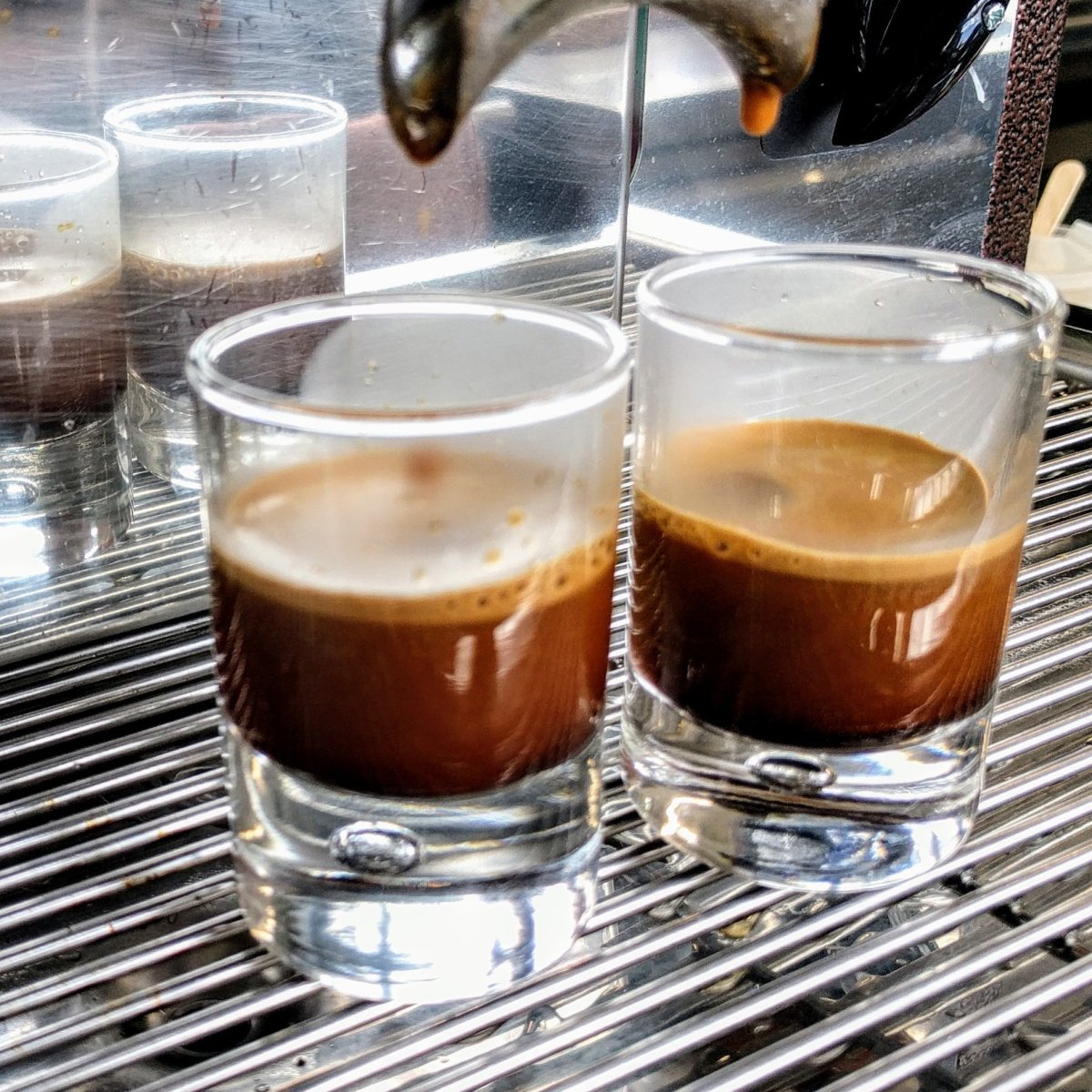
And because the proof is in the pudding:

Categories
news travel

Out with the old, in with the new

Tickets are set, container has been shipped off already, apartment in the Netherlands arranged.

We leave in three weeks and will be back home by the end of Spring.

I’m selling most of my barista equipment because I can’t use it on 230V or 50Hz or both. Check Facebook and Instagram for good deals.

If you are a coffee house or catering company in Amsterdam, Utrecht or Amersfoort (of anywhere in between) and you are looking for a skilled (head) barista to cover shifts during the Summer, please get in touch with me using the contact form on this site.

Categories
coffee news travel

Caribbean Coffee Culture

Coffee culture is fascinating. Different in Puerto Rico from St Maarten in many ways but essence is the same, that’s my conclusion after aspending 2 weeks in and around  San Juan. They favor more bitter cups of coffee in the Caribbean, IMHO. Dark roasted (French or Italian) blends of Latin American beans, some strengthened with Robusta beans.

The body is always unbalanced, though. Coffee is rarely ground on demand so it spoils quickly in the heat and humidity. In Puerto Rico they favor the espresso and cortadito whereas in Sint Maarten they favor plain filter coffee and lattes or flavored coffee with syrups. Saint Martin goes for espressos and cappuccinos but people often overheat the milk here.

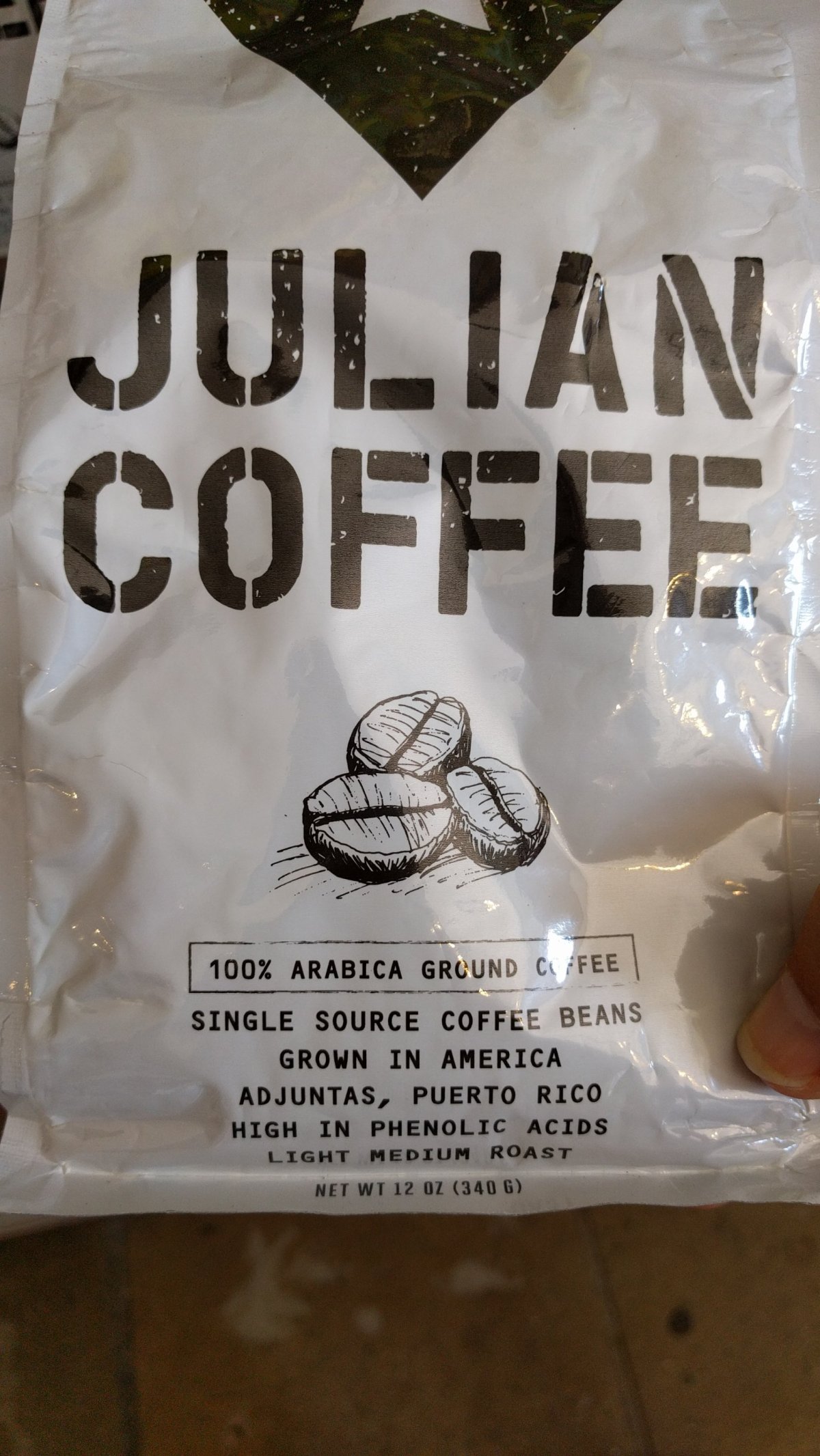
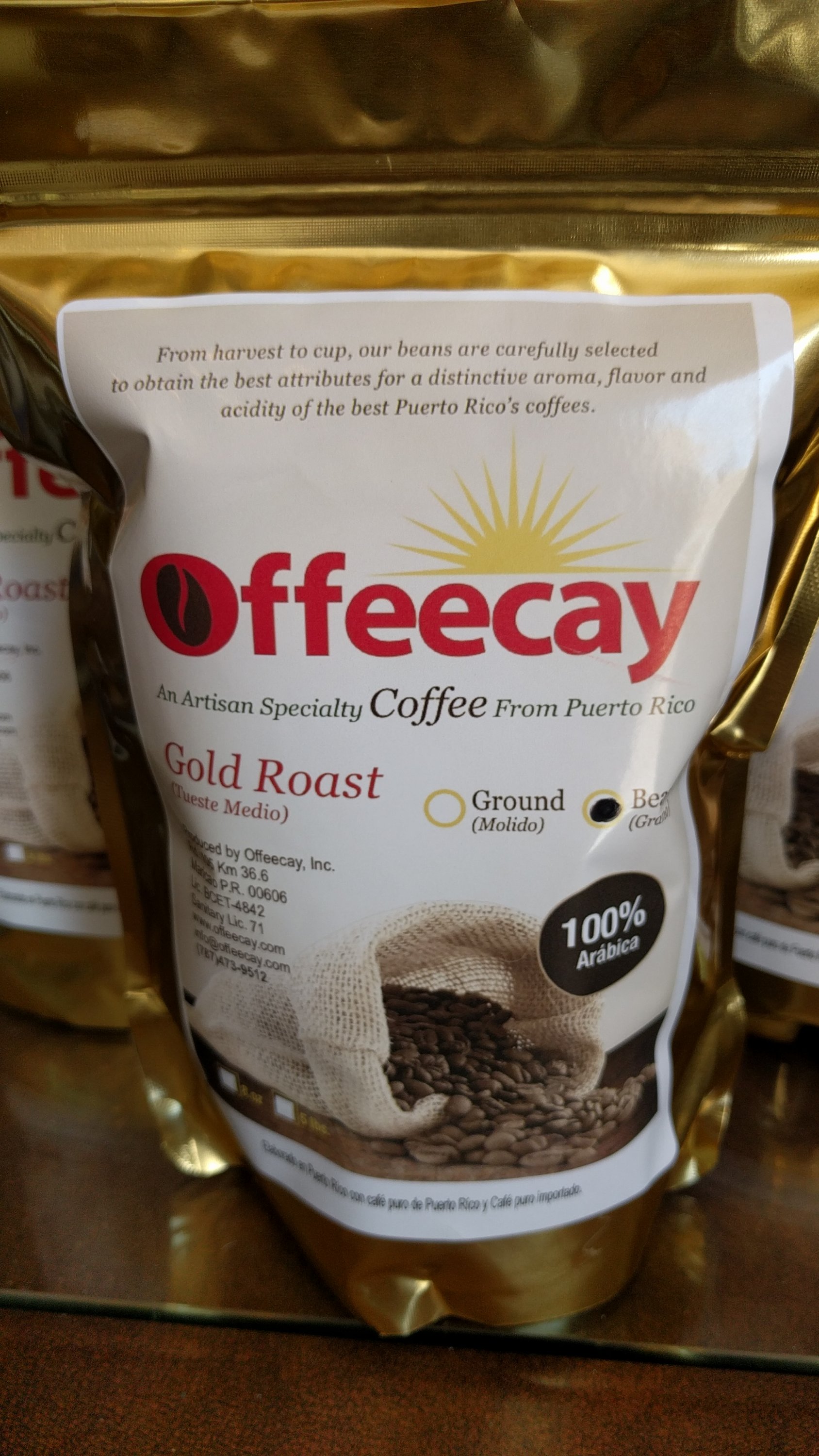
Pack of coffee beans
Uncommon “medium roast” coffee from Puerto Rico

It’s just painful to taste all the uncleaned portafilters and old grinds together with the “spoiled” grinds that have been sitting there too long. Such a shame. Keeping up the spirit for a good coffee. Even if one in a hundred.

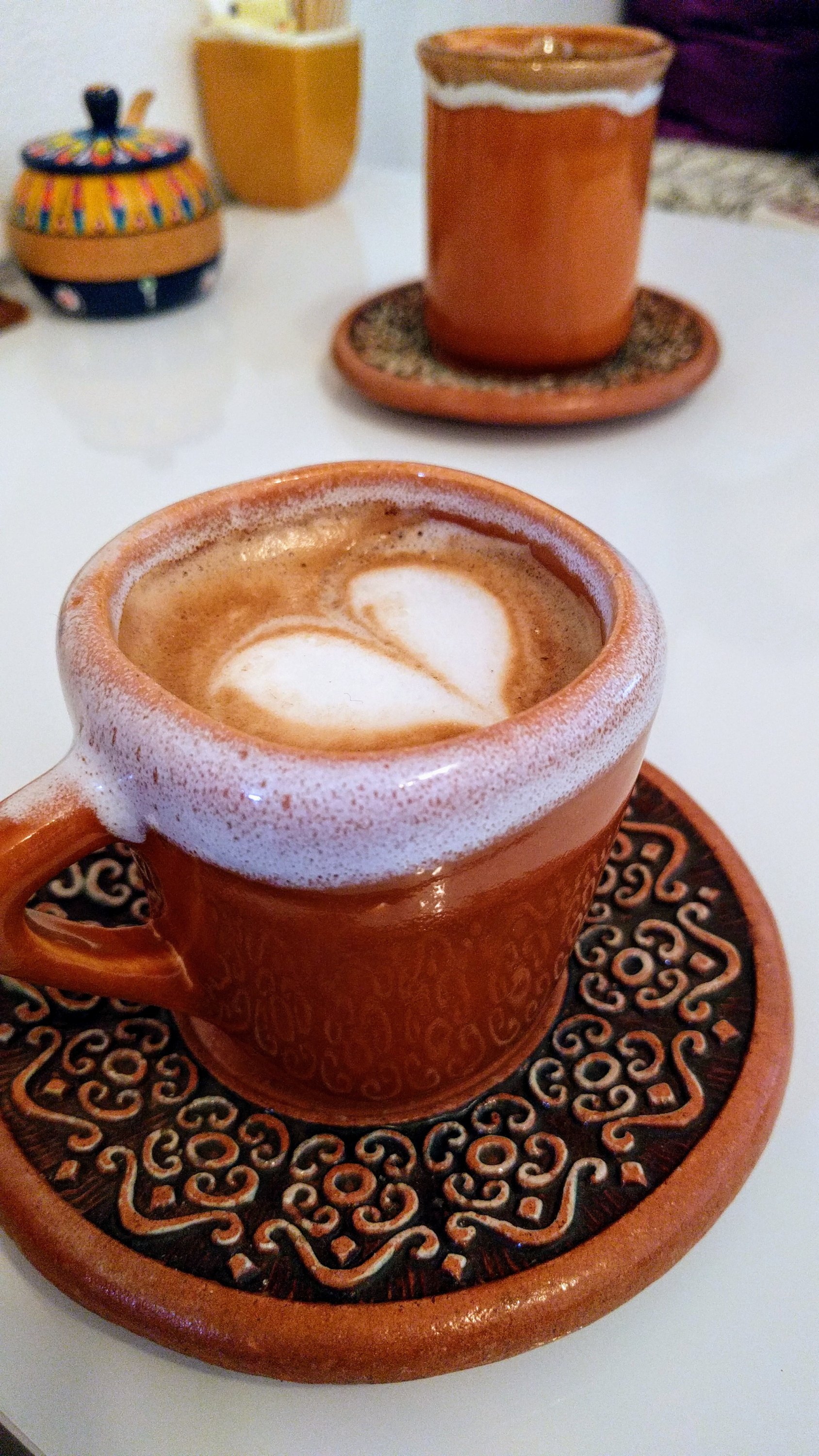
cappuccino cup
Cappuccino