Categories
coffee news

Why Metal Vacuum Canisters Keep Coffee Fresh Longer

Coffee lovers understand that the quest for the perfect cup begins long before the brewing process. It starts with the beans themselves – those aromatic, freshly roasted gems that hold the promise of a delightful experience. However, preserving their delicate flavors and aromas can be a challenge.

Disclaimer: I was offered to test an Outpeak canister free of charge, but these are my honest observations and experiences.

Exposure to air, light, heat and moisture can rapidly degrade the quality of specialty coffee beans, leaving you with a lackluster brew. That’s where metal coffee canisters with vacuum technology step in.

The Factors of Coffee Freshness

To truly appreciate the benefits of these canisters, let’s delve into some science of coffee freshness. Air (oxygen) is the enemy of freshness. It reacts with the coffee oils and fragile organic compounds, causing them to oxidize and deteriorate. Light, heat and moisture also accelerate this degradation process.

Traditional storage methods (paper, plastic or glass) offer minimal protection against these elements. This is where metal coffee canisters with vacuum technology shine. These canisters are equipped with a small battery-operated air pump in the lid, which removes most of the air and oxygen from the container at the touch of a button. This significantly slows down the oxidation process and preserves the beans’ freshness over a longer period.

Metal vs. Glass: The Battle for Light Protection

Unlike glass canisters, which allow light and heat to penetrate, metal canisters block harmful UV rays. Light can trigger photochemical reactions that degrade coffee’s flavor compounds. By blocking out light, metal canisters add another layer of protection, ensuring your beans remain fresh and flavorful for longer.

Airtight Seals and Moisture Control

The airtight lids on these canisters serve a dual purpose. Firstly, they maintain the low pressure (-25 kPa and -33 kPa) created by the pump, preventing air and oxygen from seeping back in. Secondly, they keep moisture at bay. By creating a dry environment, the airtight lids contribute to the longevity of your beans.

Real-World Experience: The Outpeak Coffee Canister
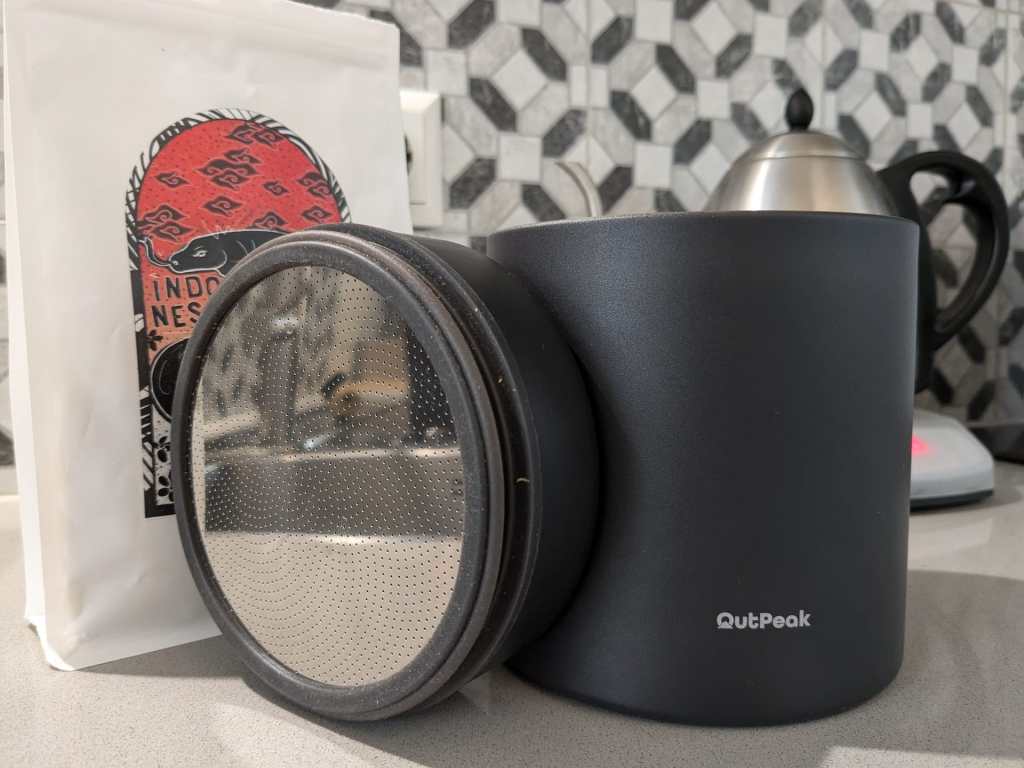
outpeak coffee canister with a bag of beans and water kettle in background

I recently had the opportunity to try the Outpeak coffee canister and the results are encouraging! As someone who goes through a 250 gr bag of coffee beans in about a week, I’ve always been frustrated by the rapid decline in freshness, particularly with the more expensive specialty coffees.

By the end of the week, those unique and vibrant flavors would fade, leaving me with a less exciting cup.

With the Outpeak canister, I noticed a remarkable difference. Even after a week, the specialty coffee beans retained more of their distinctive characteristics. The flavors were brighter, the aromas more pronounced, and the overall experience more satisfying. While the difference may be subtle, it’s undeniable that storing beans in a vacuum, away from heat, light and moisture, has a noticeable impact on their longevity.

The Outpeak canisters offer a built-in USB-C charger port and a full charge lasts more than 4 weeks, in my experience. I fully charged the lid with pump upon arrival and haven’t had the need to recharge it yet. That’s great! I will update this post with a more precise duration, when I need to recharge.
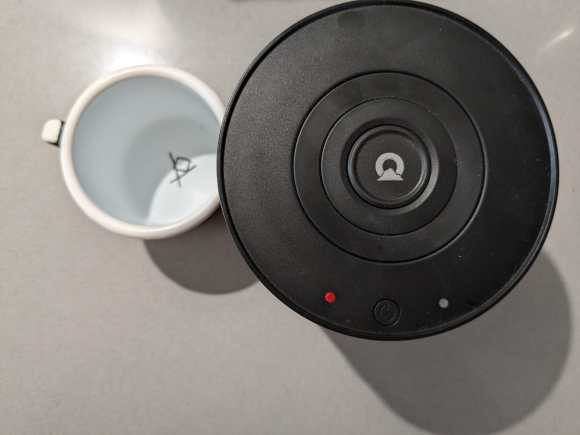
outpeak canister from above with a cup from the Barn for size comparison
Top view of the Outpeak metal coffee canister

Size does matter!

Outpeak offers metal canisters in three sizes:

  • 130 gr
  • 500 gr
  • 600 gr

I had the good fortune of testing the 500 gr canister. It comfortably fits a fresh bag of 250 gr coffee, obviously. I get fresh coffee delivered every two weeks and most roasters ship bags of 250 gr, sometimes 350 gr.

I found two minor issues with this version of the canisters that I hope Outpeak can improve in an updated version:

  1. The diameter of the lid is slightly too large (ca. 12.5 cm or just under 5″) for my (small) hands, making it somewhat hard to get a good grip to open it. Letting air in twice helps.
  2. The 500 gr canister is a little big when you only store 250 gr. That leaves a lot of open space inside. Perhaps 300 gr, 550 gr and 1100 gr versions are more inline with the amount of coffee most people need to store on their home countertop.

Getting a fresh bag every week is very practical anyway!

Investing in Long-Term Freshness

For coffee enthusiasts who value quality and freshness, metal coffee canisters with vacuum technology are a worthwhile investment. While they may be slightly more expensive than traditional storage options, the benefits they offer are undeniable. By preserving the delicate flavors and aromas of your more expensive specialty coffee beans, they ensure that every cup you brew is a great experience.
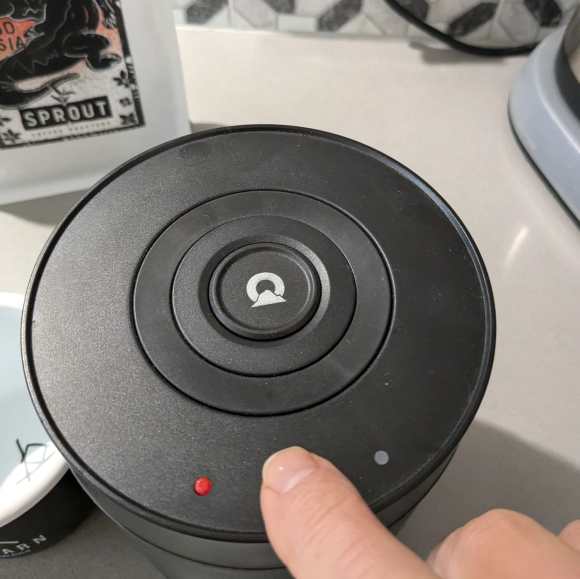
pressing the vacuum button on an outpeak coffee canister
Pressing the vacuum button on the top of the lid.
In the middle the large vent to let air back in when you open it.

If you’re tired of your coffee losing its luster after just a few days, it’s time to upgrade your storage game. Metal coffee canisters with vacuum technology, like the Outpeak canister, offer a simple yet effective solution. By creating an optimal storage environment for your beans, they unlock their full potential, allowing you to savor the true essence of freshly roasted coffee for longer.

Remember, the quest for the perfect cup starts with the beans. Treat them with the care they deserve, and they’ll reward you with an unforgettable coffee experience.

Update 1 Nov 26th 2024:
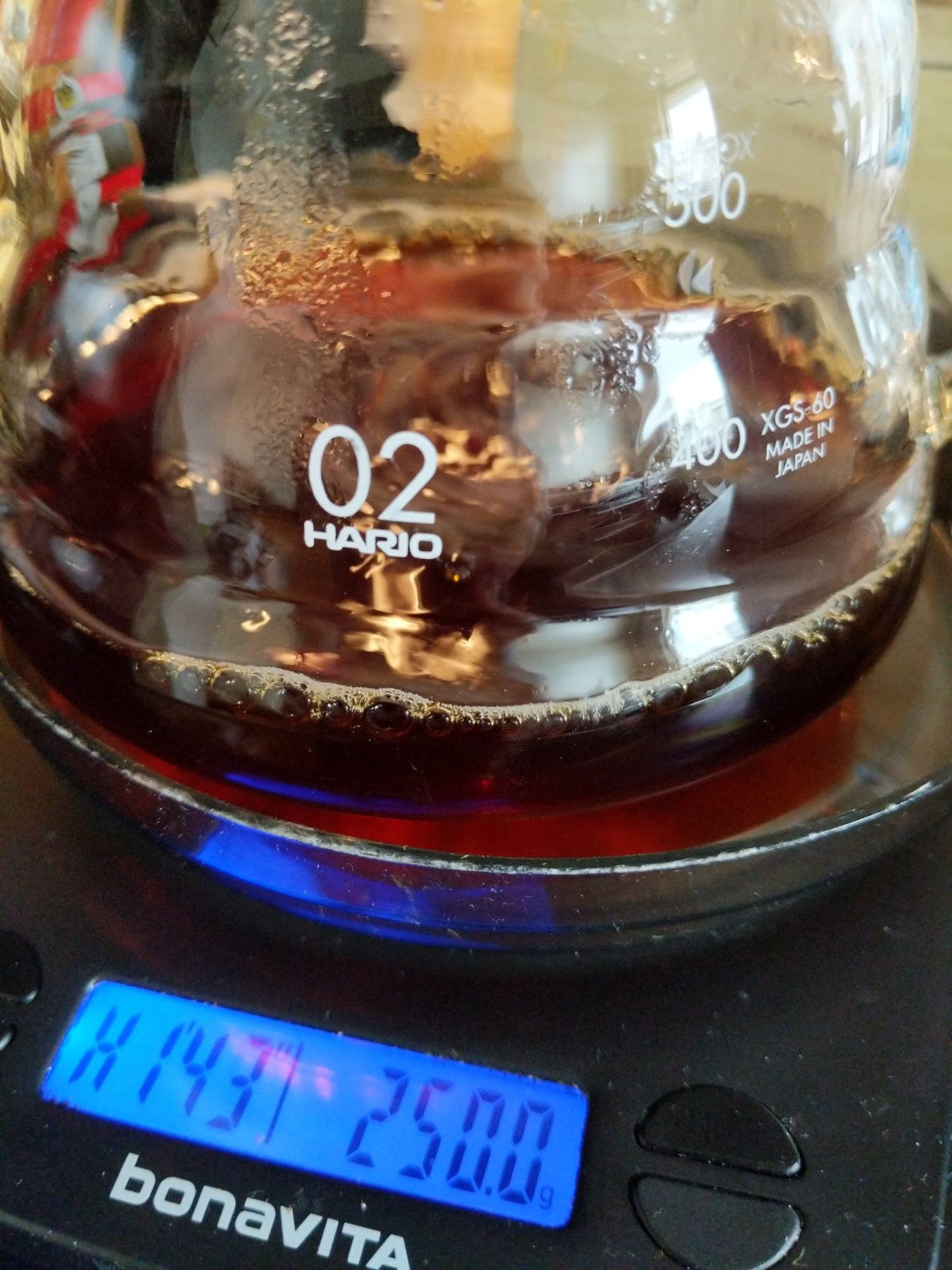
Well, I have stored some decaf beans in the Outpeak vacuum canister for several weeks now. I wanted to test the preservation of flavors because decaf beans “spoil” much faster than caffeinated beans. We don’t know why yet. After being kept in vacuum for almost 6 weeks, the beans brewed a great coffee on my Hario V60. Very comparable in taste to a fresh brew when the beans are less than a week old! That’s wonderful news.

Update 2: Fellow has just launched opaque vacuum canisters (Atmos) as well at a comparable price to Outpeak’s offering. Good to see vacuum storage of beans in metal containers is becoming more popular. I know glass is prettier but it’s worse for the preservation of flavors.
Categories
brewing coffee news

Best coffee machine for home baristas

I get asked this question a lot: “What’s the best coffee machine for at home?” Just like: “What’s the best coffee to buy?”

I understand why people ask it, though. They want an experienced opinion. I’ve tasted more coffees than most. Unfortunately, it is not that easy.

To answer the question: “What is the best coffee machine to use at home?”, I would first need to know what kind of coffee you prefer? In other words, the drink itself:

  • Black or milk-based coffee?
  • Espresso or filter coffee?
  • Drip, pour-over or submersion coffee?

To choose the best coffee machine for making coffee at home, you need to find your favorite style next. Then find the best machine that suits that style. That said, I can give a couple of recommendations for good coffee machines for your home. These machines make a great cup of coffee every single day.

Most people either prefer espresso-based coffee or filter coffee. We have all grown up to become accustomed to dark roasted, fairly bitter tasting coffee (with or without milk). With that in mind…

Espresso machines

When buying any espresso machine, do pay attention to the diameter of the portafilter. It is a handle-like device that holds the coffee grounds and attaches to the espresso machine’s brewing group. The portafilter plays a crucial role in the extraction process, determining the flavor, strength, and quality of the espresso shot.

Ensure that this is 53 – 58 mm, which are the industry standards. It should hold 14 – 24 gr of ground coffee. Anything smaller will also work but it will be much harder to find parts, accessories and additional tools. And you will get more tools! LOL

Fully automatic

Don’t get a fully automatic machine! Ever! Seriously.

My biggest complaint about fully automatic espresso machines is that they grind the beans for you without any useful form of manual adjustments. The manufacturer will never include a great grinder. That would make the machine too expensive. Always get a separate grinder, it will last you at least 10 years.

These automatic machines focus on convenience, speed and not flavor. So in my opinion, this is always a setback that I can’t except.

If you prefer speed and ease over flavor, then choose either of these:

Sage and Breville are essentially the same Australian company with different brands for Europe and US/UK (resp.)

Wikipedia

The Pro version lets you tamp the coffee yourself. The Impress version has a built-in tamper and will do it for you. ¯\_(ツ)_/¯ Since tamping affects taste much, I prefer to do it myself.

I personally don’t like a Jura machine. Although it’s pretty, it’s too limited and maintenance is expensive. Sorry Jura.

Semi automatic

These machines are more my style. They automate some of the actions but not all. This gives you more control over the espresso that’s brewed. Note that a great espresso maker will cost at least 1250-1500 Euro/Dollars because of the quality of the parts and build. That does not include a grinder!

Your biggest choice depends on how you drink your coffee: black or white?

If you prefer black coffee (an espresso, long black or americano), your life is easy: choose a single boiler machine. They’re a lot cheaper.

Do you (or your partner) prefer white coffees? Think about how many cappuccinos or lattes you will make? For one or two each time, it’s fine to get a single boiler machines as well. First froth your milk then brew the espressos! If you drink more coffee daily or host regular dinner parties, then you should opt for a dual boiler machine. That way, you can start frothing the milk while the espressos are still brewing.

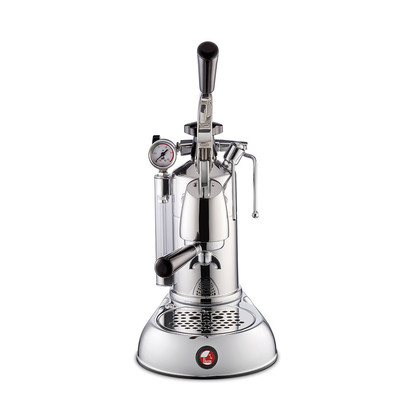
La Pavoni stradivari lever machine
La Pavoni Stradivari

Manual espresso machines

A category on their own for this is where innovation really shines.

Superkop is a brand new, solid, durable design and fully non-electrified. It will work when the power is out, on the road or camping, when disaster strikes and zombies invade our homes! It only needs hot water and ground coffee. It will last a lifetime with only a few replaceable moving parts.

The lever-operated La Pavoni is a classic machine! A gorgeous design that does require some practice and getting used to. Once you do, it is the holy grail of many baristas. Beautiful to look at and room for creativity to add you own special twists when making an espresso.

The Flair revolutionized the world of home baristas when it appeared on Kickstarter. It’s cheap, easy to make, easy to use and a great way to get into making better coffee at home. Quality has improved a lot since and you can’t go wrong with it!

Filter coffee machines

moccamaster KGB select wireframe
Moccamaster KGB Select

The traditional home coffee makers have received a ton of innovations and improvements over the last 3-5 years. Coffee making, filter coffee at home, has drastically improved since the 80s and 90s. Designer machines, premium options, gorgeous materials and very reliable manufacturing mean that today’s coffee maker is light years ahead of those our parents and grandparents used.

I can recommend one of these four machines:

Moccamaster has been the go-to coffee maker for many official coffee competitions and conferences. They’ve been around for 40 years and are rock solid, well built and easy to maintain or repair.

You can also refer to the SCA certified list of approved coffee makers. The Specialty Coffee Association takes their work very seriously. Every machine is thoroughly tested and retested to ensure it makes a great cup every single time, all the time.

I hope this answered some of your questions and gave you a good start to selecting the best coffee machine for your home. Maybe it just confused you more and made you reevaluate what it is you want. Then at least I did my job. Trust me when I say that you will not find the best machine in one go. I will take several iterations before you find what works best.

Most of all, your taste for coffee will change and that brings new machines, new coffees, new equipment and new kitchen setups. If you can, buy second hand on Ebay or your local penny savers. Closed restaurants often sell off their equipment to pay debts. That’s a nice way to get a premium machine for less.

PS: If you follow my advice above and do not buy a fully automatic machine, you will need to also buy a good grinder. That’s a whole new subject, but for starters I can recommend watching James Hoffman’s review video:

Categories
brewing coffee news

The math of brewing a better espresso

Scientists have finally answered a burning question of mine: why should an espresso be brewed in 25 +/- 2 seconds and use approx 15-22gr of dry coffee to yield 50ml of (a double) espresso?

Who came up with this rule and why? Not that I have a specific problem with it but it seems so arbitrary. Also, once you start to make espresso’s a day long, you’ll notice that it’s really hard to dial in the equipment a certain way and maintain those rules for every cup. Sometimes it’ll be 21 seconds, sometimes 29. The grinder is pretty accurate. The beans are practically the same. So where does this high variation come from?

Well, it turns out that brewing your espresso differently yields the same great taste and flavors while achieving this with much greater consistency and reducing the cost per cup of espresso!

How did they do it? Well, they started by reducing the process to a proper model with solid mathematics behind it. Brewing an espresso is basically fluid dynamics of a bed of particles. The “puck” being coffee grinds of varying sizes and water is pushed through this bed at a certain pressure.

These mathematics are very well understood and accepted. So the scientists started with this model, created equations for everything and solved the equations using differential equations. That resulted in a few parameters and then they found the optimal solutions.

Sounds easy enough but believe me the math is pretty impressive, yet their logic is sound.

Turns out if you lower the pressure to 6 bars instead of 9, use 7-15gr of dry coffee, ground more coarse then tradition tells you to and aim for an extraction of 8-15 seconds, you will get a beautiful espresso that is much easier to reproduce!

Don’t believe it? Read the articles:

Categories
brewing coffee news roasting

Coffee Roasters in Netherlands

Koffietje.nl already had the great idea to list as many local coffee roasters in the Netherlands with a webshop as possible, so that everyone who’s working at home #stayhome due to Corona crisis can enjoy the best coffee possible. Excellent!

Of course this leaves out those roasters who don’t have a shop (yet)…

Thankfully, Misterbarish.nl already has an extensive list of coffee roasters in the Netherlands (and a list for Belgium). Yay! With these two lists together there is nothing stopping you from ordering fresh roasted coffee beans that suit your taste to brew at home.

hario v60
Hario V60 brewing fresh filter coffee
Categories
brewing coffee news travel

Making An Espresso At Home During The Corona Crisis

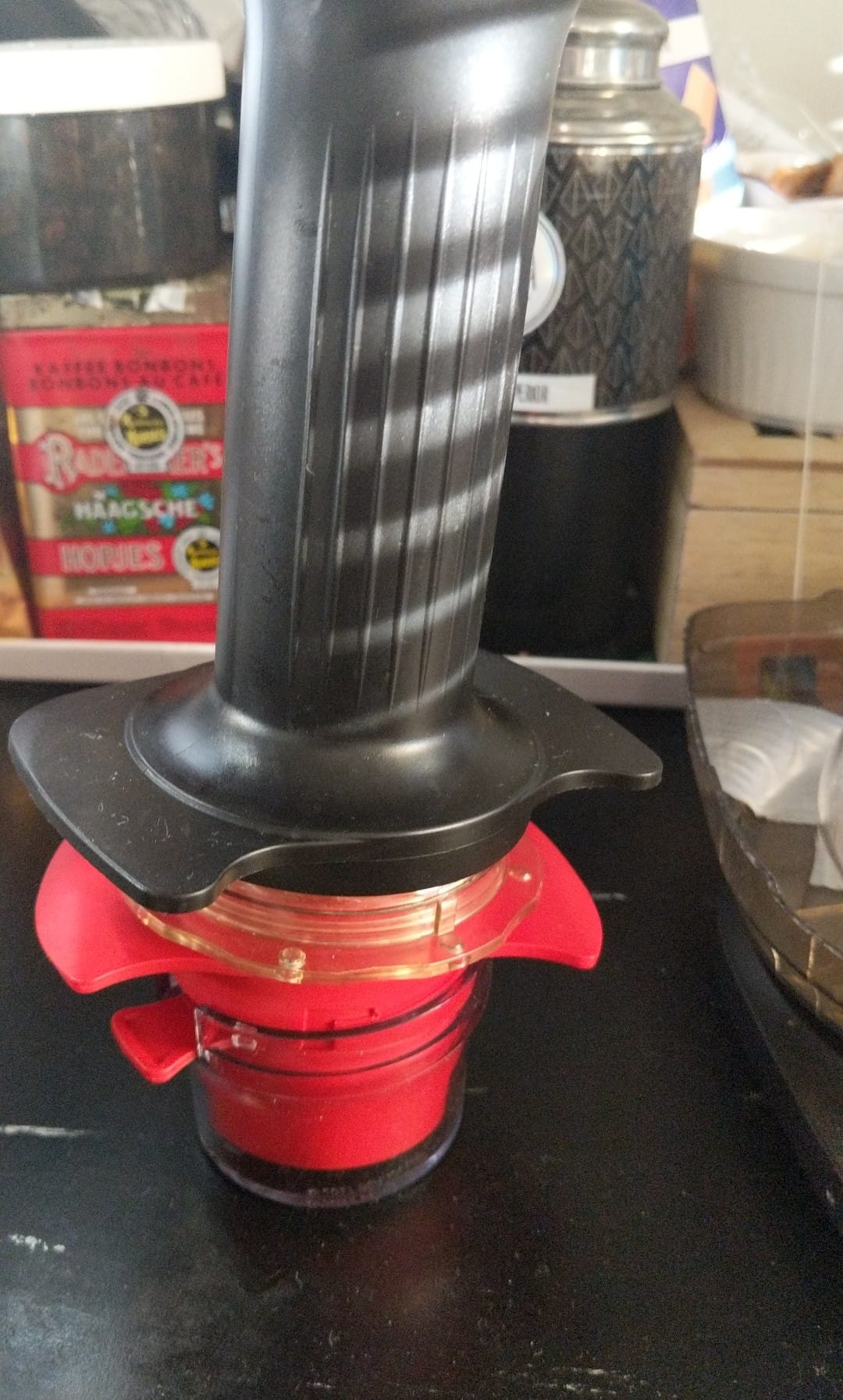
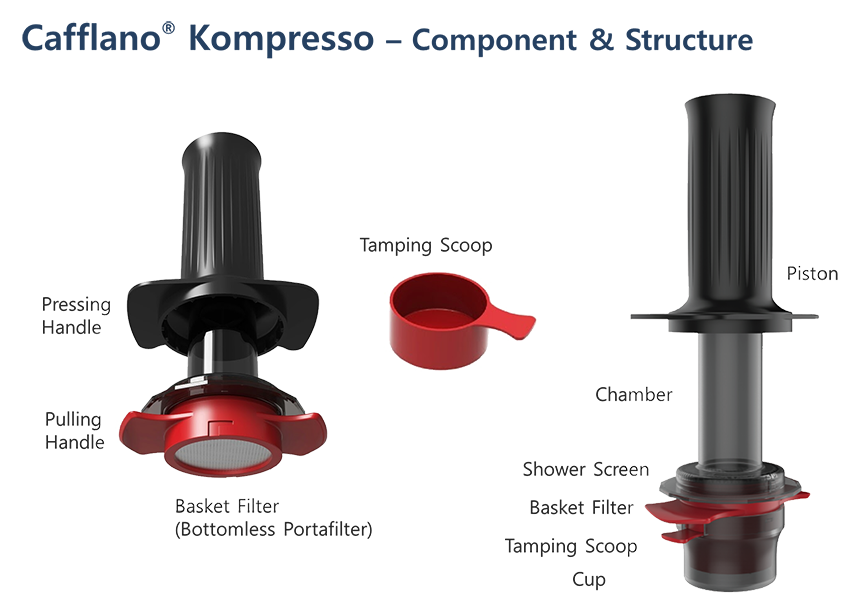
To all my fellow coffee fanatics who crave a good espresso but cry every day because the coffee places are mostly closed: you owe it to yourself to get a Cafflano Kompresso! The only way to make anything that comes close to an espresso at home, easily.

cafflano kompresso blow up view of components
Cafflano Kompresso

It’s durable, cheap and portable. Will save your travels, hotels, and vacation rental too! Works on a train boat or train.

Only hot water needed to make an espresso anywhere

Cafflano Kompresso

You can grind your own beans (for best results) or start out with ground coffee from the supermarket. I’d choose a medium roast wherever possible, not a dark, French or Italian roast, as these are likely to turn out too bitter and “ashy”, IMHO.

Then move up to a pound of gourmet coffee from your favorite shop around the corner, ask them to grind it for “espresso”. This way, you can still support your local shops even though they can’t make you your coffee and you create a nice relationship with them for when all this is over and you can get a real espresso again!

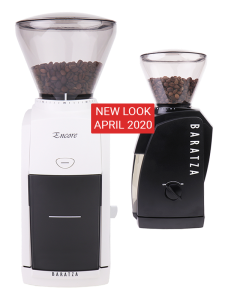
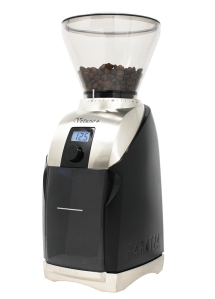
And eventually get your own grinder. If you do, get a burr grinder, always! The best entry-level grinder out there is the Baratza Encore, for approx $130 or so. One step up and only different in the number of different grind-size settings it has, it the Baratza Virtuoso.

Baratza was bought by powerhouse and specialty coffee shop darling grinder manufacturer Mahlkönig (German for “King Grinder”, BTW!). It’s the only thing they do, build grinders. They are superb in quality and stability, the latter meaning they grind still very well when the burrs start to get dull.

Now, if you’ve read trhis far that means you are serious about coffee, just like myself. I like that.

If you’re thinking of getting the Kompresso, you may also be interested in the Cafflano Klassic. It’s the filter coffee equivalent of the Kompresso. Having the two means you will never NEVER EVER having to go without superb coffee that you make yourself. Anywhere, everywhere, all the time. (The Klassic comes with a grinder built-in so you can even grind the beans just before you brew the coffee.

cafflano Klassic
Cafflano Klassic with built-in grinder for on the road. source: Cafflano

You’re welcome!

And because the proof is in the pudding:

Categories
news

COVID-19 affecting all baristas

The outbreak of the Corona virus in the Netherlands has effectively put all (or most) of the baristas out of a job. Only corporate coffee and espresso bars are still operating, but these are mostly staffed with permanent employees. Even there many caterers are forced to close when the companies force all their employees to work from home!

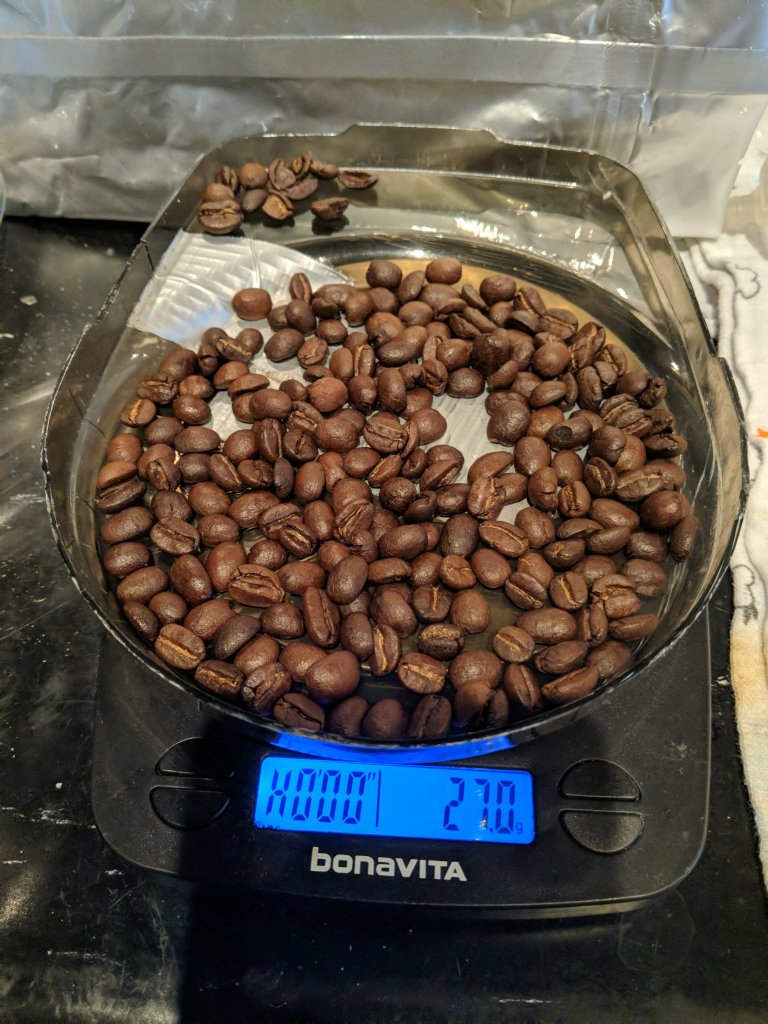
Weighing beans on a scale

I’m not sure how long the quarantine period will last but for now at least until Sunday April 5th. That means it’s time to play and practice with coffee at home!

Categories
brewing coffee news

Barista at Boeken Bonen & Blaadjes

I’m happy to inform you that I’ve found a super freelance coffee partner in Amersfoort! It’s also really close to our new home, if the purchase goes through, so that’s even better!

I’m helping out 3 days a week in the relaxing atmosphere of the coffee salon and tea house Boeken Bonen & Blaadjes in het Singelhuys in Amersfoort. It’s a place cultural center and lunchroom with a vintage feel that boasts barista training workshops, private dinner events, remote work spots and meeting place as well as being a magnificent place to chill, relax and unwind in a “home away from home” style. Couches, comfy chairs, a quiet corner or the central tables to meet others and shares experiences.

boeken bonen blaadjes
Boeken Bonen & Blaadjes

Joet Halmos, the owner, could use the extra hands during the lunch rush and would like to leave the coffee and tea prep in capable hands so she can focus more on guests and preparing lunches (the ample bread platters are really worth the trip alone!).

Filter Thursday

On Thursday’s I’m there and using the day to experiment and practise with filter coffee brewing methods as well as assisting where and when needed. So I try new beans, choose and finetune recipes and experiment with an Aeropress, Hario V60, Chemex or Kalita Wave. Once Summer comes and days get hotter, I’m sure I will also try cold drip and cold brew coffees to see how temperature affects taste and flavors. All this to better prepare for the qualifying rounds of the Dutch Brewers Cup 2020 later this year in November.

Friday and Saturday I help out with the lunch rush and assist Joet wherever needed between 11:00 and 15:00 those days.

Categories
brewing coffee news training

Barista ethics, principles and practice

After working as a barista in various places since our return to the Netherlands in July 2019, I’ve learned that the coffee business is vastly better here than on Sint Maarten. The beans, the machines and the skills of the baristas working there are much better than there.

But what’s surprised me the most is that most places stopped after buying better quality beans or investing in a good machine.

Many places shamelessly use the same beans for espresso as well as “gewone koffie”, the historical Dutch name for normal coffee meaning filter coffee that our parents and grandparents used to make.

Some establishments use at least a different grinder when making “koffie”. But they opt using the same espresso machine because it’s there, so the “koffie” is most often approximated by a lungo.

A few use both a different bean as well as a separate grinder. A conscious decision. But I fail to understand why you don’t simply make “koffie” using a filter method?! After all, if it is about the money, and I think it is, then the math of making a liter of coffee from 57-63g of ground coffee is always better than turning 17-19g of the same coffee into 50ml of espresso or 90-100ml of “koffie”. Right?

And if you decide to use different beans for espresso and “koffie”, because of flavor I assume, then how come you don’t use different beans for cappuccino? After all, roughly 70% of coffee drinks sold in the Netherlands are “white coffees” aka milk-based coffees such as flat white, cappuccino, latte macchiato and large lattes.

I’m often disappointed by what I find in espresso bars during my Temper shifts. Large 3 group machines supplied by a caterer and left to more and more careless baristas who’s level of care and quality goes down by the month when management is not present, training is no longer provided and customers don’t know better.

Granted, many people working as barista are students either during the studies or directly after, earning money for leisure time, travel plans or settling down. They learn on the job while doing it and some of them are truly gifted and highly skilled by intuition. Nothing wrong with that. But as soon as they leave, and there’s always a better laying barista position coming next month – turnover is a bitch – knowledge is drained and whoever is left in charge has to pick up the slack. But pay is low, pressure is high and people don’t seem to care or know.

I’ve been searching for a better place to make excellent coffee now for 2 months and every place that I’ve talked to is stuck to bean contracts, doesn’t want to invest anything further and can’t train the people with SCA courses.

Well you can’t have it both ways! You want cheap high quality coffee fast, but you only pick two at any time. Not three. Skilled baristas cost more, care for the equipment, as well as customers. They know how to tweak the machine on a daily or even hourly basis to result in the best quality coffee.

Nothing makes a barista more happy than a great clean machine, new grinder or a kilo of fantastic beans to try out. Reward staff with perks, not salary. The effect is the same, if they truly love their jobs. Hire a legendary barista or roaster to give a workshop and spark their interest again, relight that fire (no, don’t go there!) and give the team a new boost of energy.

Categories
news

Coffee Culture in Bussum en Naarden

Update: per 1 december werk ik niet meer voor Coffee Culture. We zagen er beide geen toekomst in. Dan heeft verder gaan geen zin.

Deze maand werk ik al weer voor het laatst bij Coffee Cabana in Utrecht. De drie maanden opstarten zitten er al weer op. Ik weet zeker dat het een succes zal worden want het concept is erg uniek in Nederland: een koffiebar met een Braziliaanse twist. Tapiocas, pão-de-queijo, cakes, natuurlijke vruchtensappen zonder toevoegingen uit Brazilie, biologische thee en limonades, acai bowls en meer. Binnenkort ook met bier en wijntjes dus bij uitstek geschikt voor borrels uit de hele buurt.

Ik ben blij dat ik Coffee Cabana heb kunnen helpen met de opzet van de lunchroom, in zoverre dat ik natuurlijk niks anders heb gedaan dan goede koffies maken! Hierdoor kon Galit zich zoveel mogelijk richten op de rest van de zaak en alles wat daarbij komt kijken. Tussendoor heb ik mijn kennis van de horecakeuken kunnen inzetten bij het aanscherpen van de menukaart voor belegde broodjes en de mise-en-place daarvan.

coffee culture
Coffee Culture

Ik heb weer een hoop geleerd over wat er komt kijken bij een eigen zaak en ben klaar voor een volgende stap op weg naar de Dutch Barista Championships 2020! Vanaf november ga ik werken bij Coffee Culture in Bussum en Naarden! Dat is vlakbij en hoogstens 15 minuten fietsen voor me. Aangezien er in december een 2e kleine aankomt is het verkorten van de reistijden heel erg gewenst.

Coffee Culture

Vrijdag 1 november begin ik op het station van Naarden-Bussum en zaterdag 2 november op locatie in Naarden Vesting! Kom gezellig langs! Hierna zal ik een beetje zweven tussen de locaties in Bussum en Naarden, dus wil je mij zien en spreken, check het dan even van tevoren met mij via WhatsApp.

Categories
news

Sociale Hygiëne geslaagd

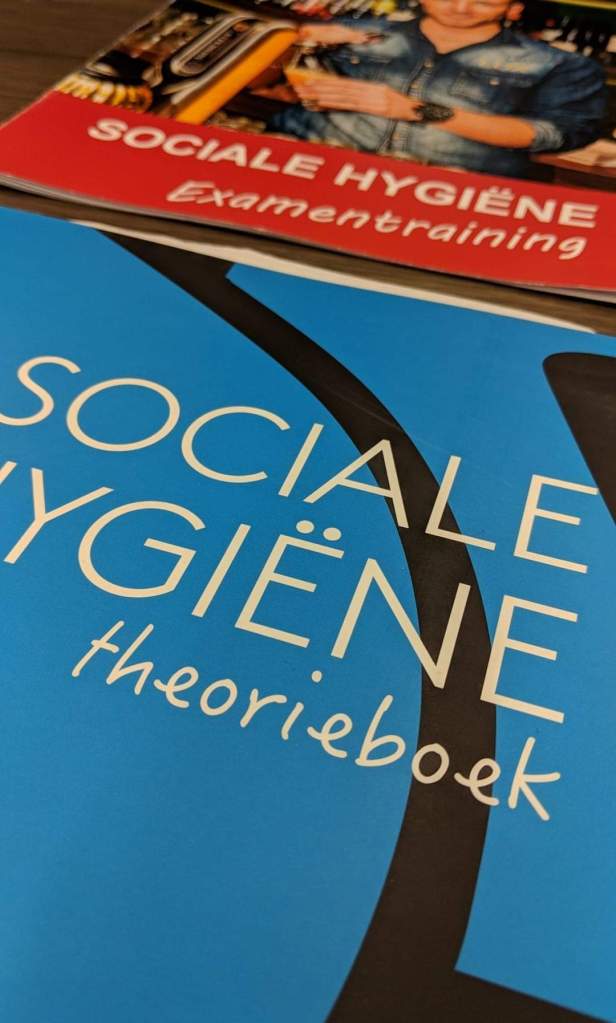
Zojuist online vernomen dat ik 37/40 vragen van het examen sociale hygiëne van maandag 7 oktober j.l. in Amsterdam goed heb. Daarmee is de voorlopige uitslag dat ik geslaagd ben!

sociale hygiene
Sociale hygiëne examentheorie

Dus nu ben ik bevoegd om namens een eigenaar of leidinggevende van een horecabedrijf achter de bar te staan, als bartender en/of barista. Helaas dat barista zijn ook vaak bartender zijn inhoudt, maar heel erg is het ook niet. Het ene kan goed in het andere overgaan. En als Sommelier opent dat ook weer deuren, achter de bar staan.