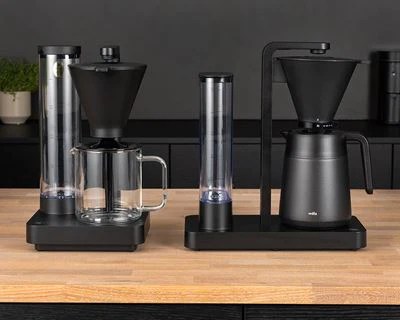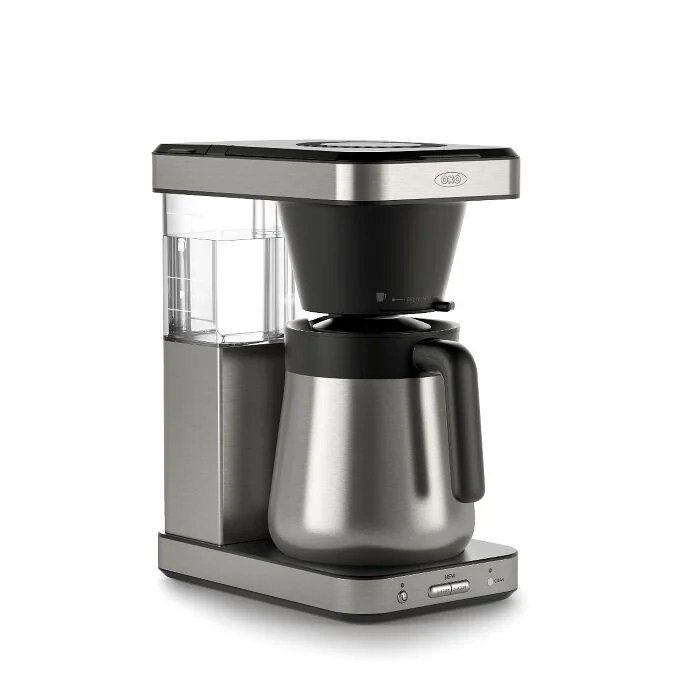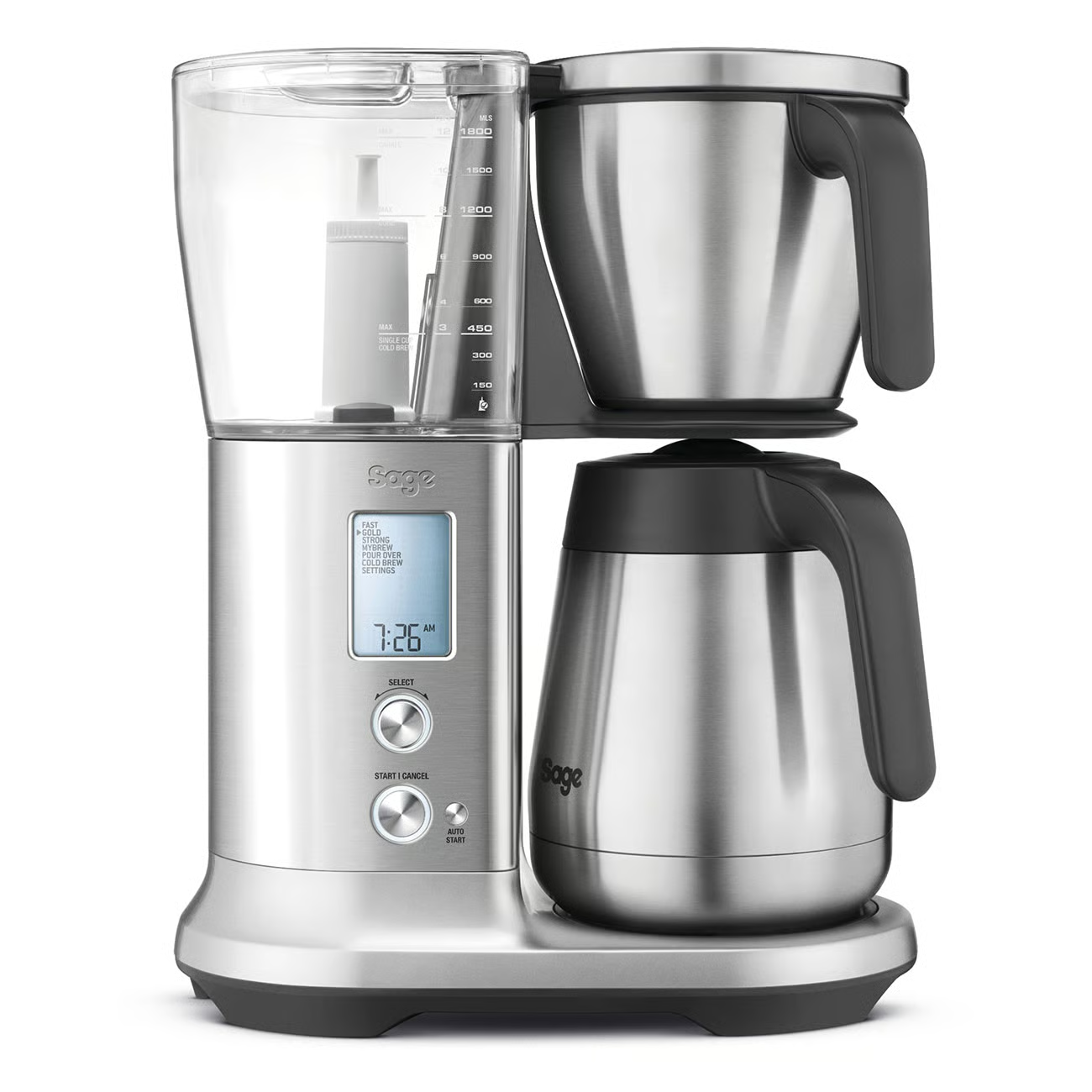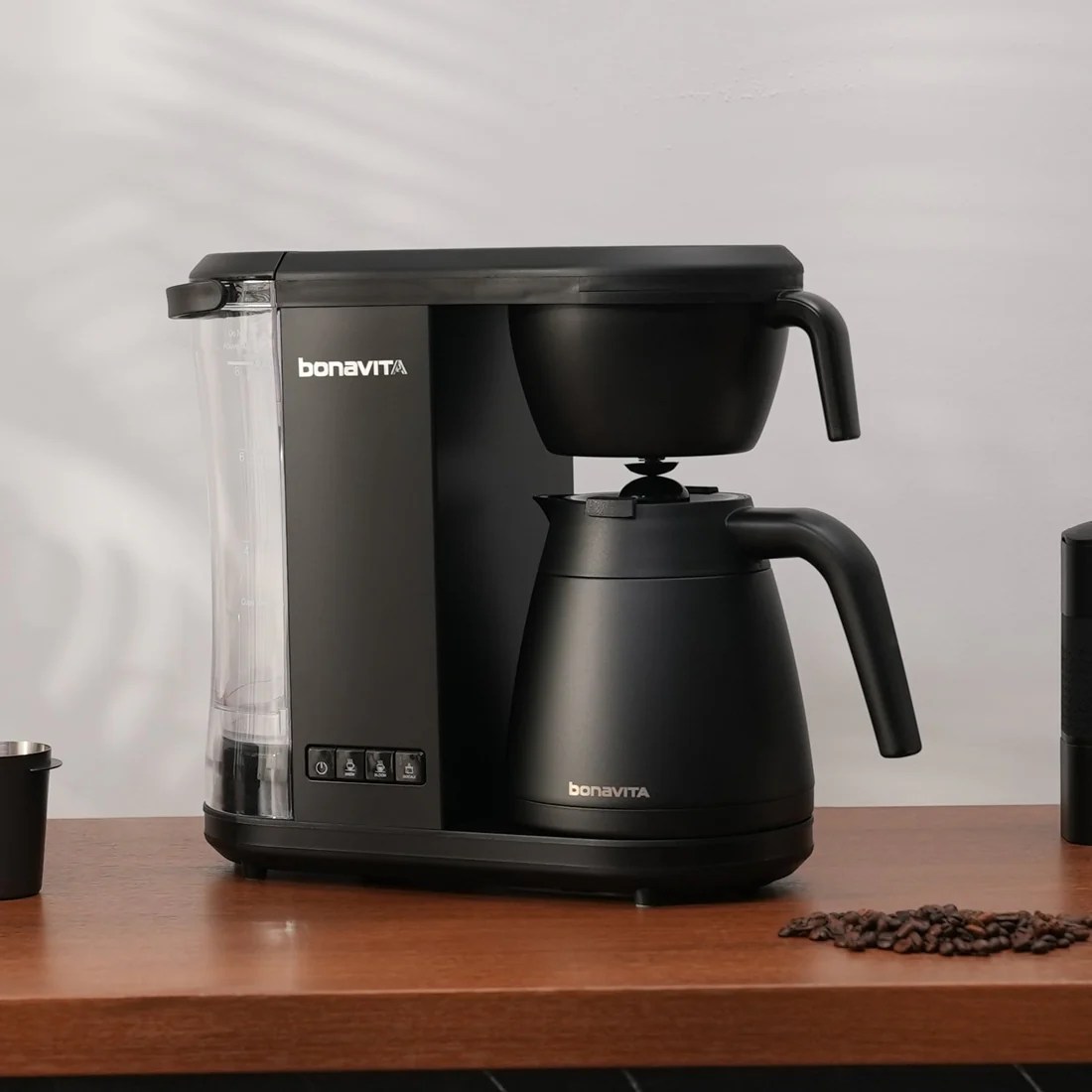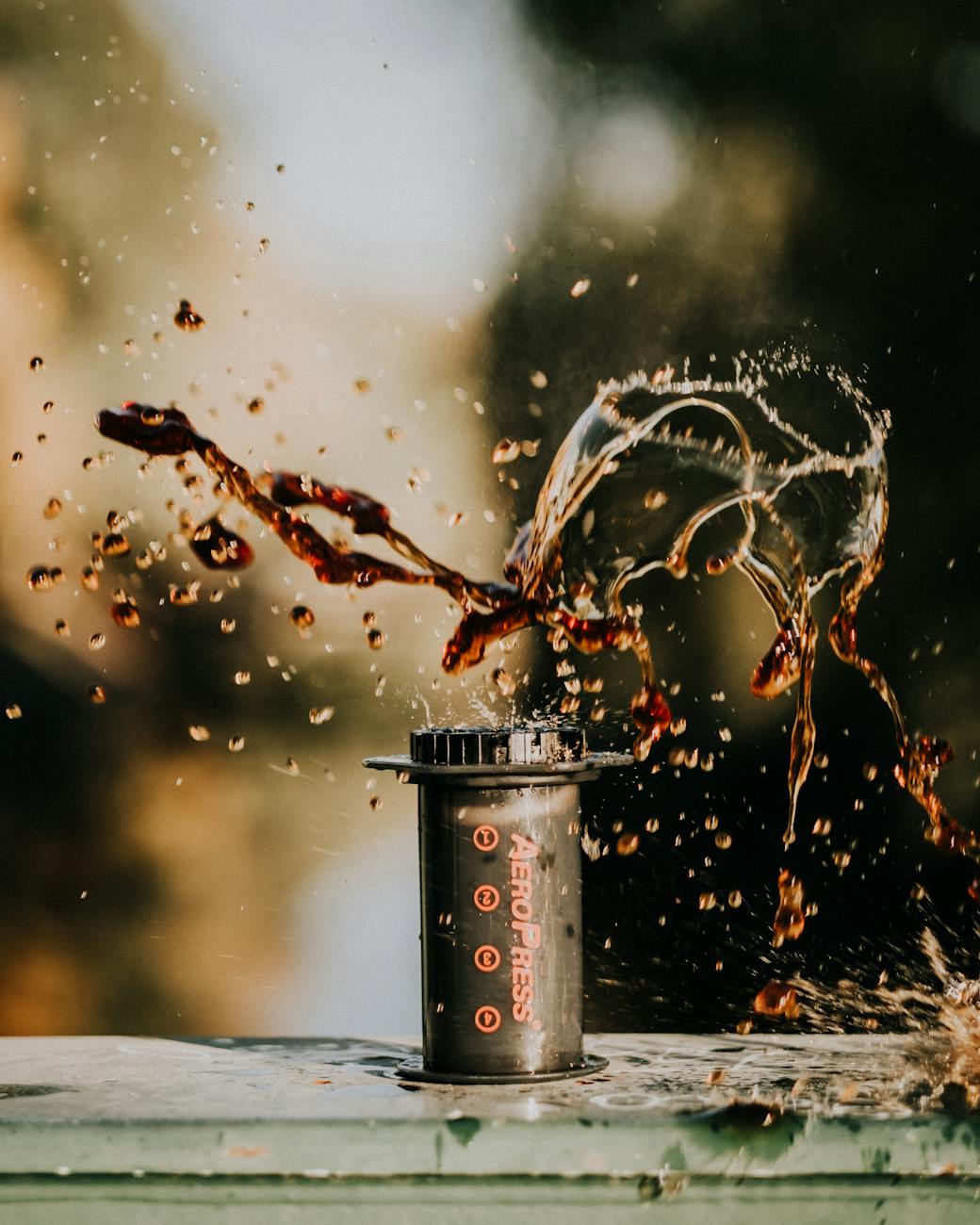
It is 20 years ago when inventor and coffee lover (not a barista) Alan Adler developed the aeropress. His quest was simply to make a better cup of a coffee, more consistently and somewhat quicker…
Today, millions of aeropress coffee makers travel everywhere we go and bring us a tasty, quick, solid cup of coffee. From Arizona canyons, to camp sites in the South of France, to the plains of Eastern Europe, back country of Australia and ocean islands in the Pacific. It is ubiquitous and still going strong!
What used to a single product is branched out into a wider variety of choices, materials and add-ons.
Aeropress Original
Aeropress Premium
Aeropress Clear
Aeropress XL
Aeropress Go & Go Plus
Very recently, Aeropress have also introduced a manual grinder to match their style and create the option to get everything from one source. Very smart, though it may not be the best manual grinder for your money. That remains to be seen…
Coffee lovers understand that the quest for the perfect cup begins long before the brewing process. It starts with the beans themselves – those aromatic, freshly roasted gems that hold the promise of a delightful experience. However, preserving their delicate flavors and aromas can be a challenge.
Disclaimer: I was offered to test an Outpeak canister free of charge, but these are my honest observations and experiences.
Exposure to air, light, heat and moisture can rapidly degrade the quality of specialty coffee beans, leaving you with a lackluster brew. That’s where metal coffee canisters with vacuum technology step in.
The Factors of Coffee Freshness
To truly appreciate the benefits of these canisters, let’s delve into some science of coffee freshness. Air (oxygen) is the enemy of freshness. It reacts with the coffee oils and fragile organic compounds, causing them to oxidize and deteriorate. Light, heat and moisture also accelerate this degradation process.
Traditional storage methods (paper, plastic or glass) offer minimal protection against these elements. This is where metal coffee canisters with vacuum technology shine. These canisters are equipped with a small battery-operated air pump in the lid, which removes most of the air and oxygen from the container at the touch of a button. This significantly slows down the oxidation process and preserves the beans’ freshness over a longer period.
Metal vs. Glass: The Battle for Light Protection
Unlike glass canisters, which allow light and heat to penetrate, metal canisters block harmful UV rays. Light can trigger photochemical reactions that degrade coffee’s flavor compounds. By blocking out light, metal canisters add another layer of protection, ensuring your beans remain fresh and flavorful for longer.
Airtight Seals and Moisture Control
The airtight lids on these canisters serve a dual purpose. Firstly, they maintain the low pressure (-25 kPa and -33 kPa) created by the pump, preventing air and oxygen from seeping back in. Secondly, they keep moisture at bay. By creating a dry environment, the airtight lids contribute to the longevity of your beans.
Real-World Experience: The Outpeak Coffee Canister
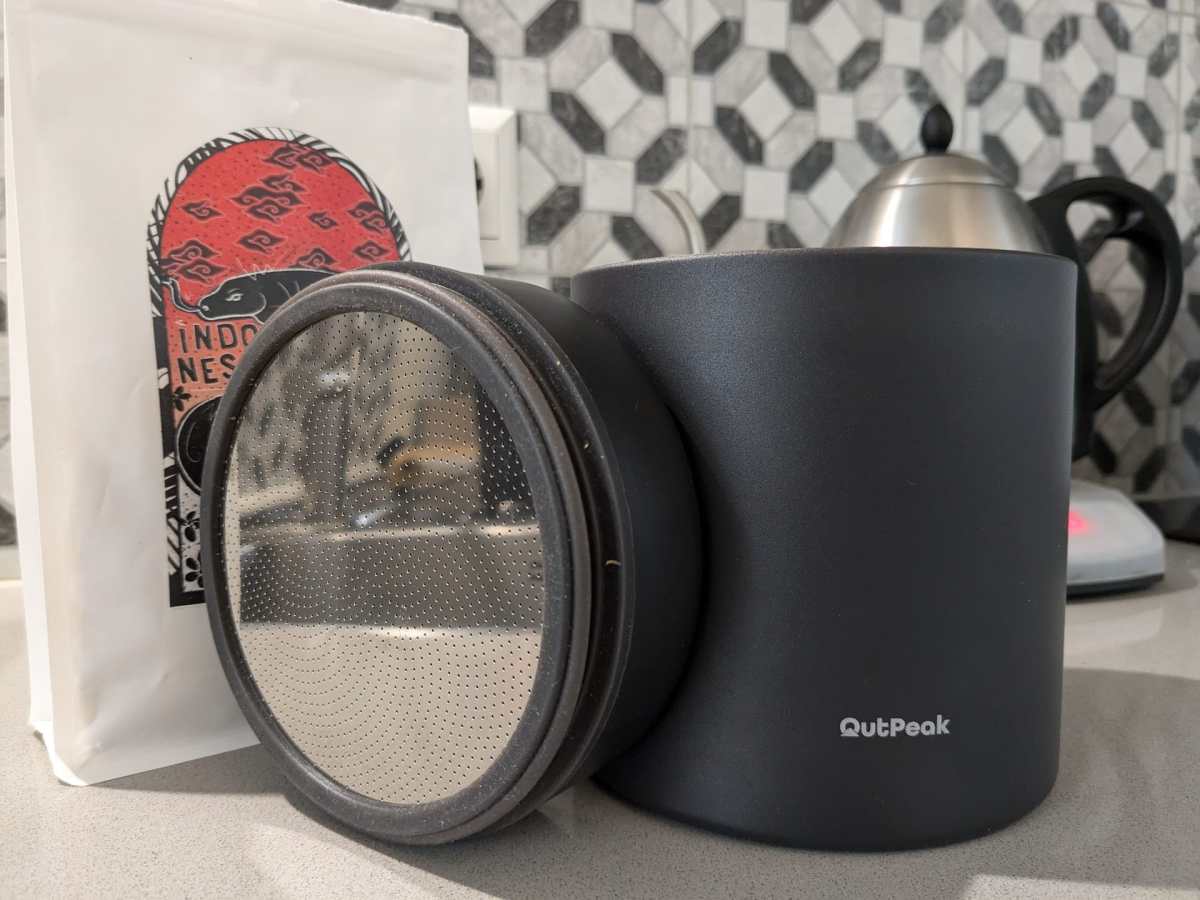
I recently had the opportunity to try the Outpeak coffee canister and the results are encouraging! As someone who goes through a 250 gr bag of coffee beans in about a week, I’ve always been frustrated by the rapid decline in freshness, particularly with the more expensive specialty coffees.
By the end of the week, those unique and vibrant flavors would fade, leaving me with a less exciting cup.
With the Outpeak canister, I noticed a remarkable difference. Even after a week, the specialty coffee beans retained more of their distinctive characteristics. The flavors were brighter, the aromas more pronounced, and the overall experience more satisfying. While the difference may be subtle, it’s undeniable that storing beans in a vacuum, away from heat, light and moisture, has a noticeable impact on their longevity.
The Outpeak canisters offer a built-in USB-C charger port and a full charge lasts more than 4 weeks, in my experience. I fully charged the lid with pump upon arrival and haven’t had the need to recharge it yet. That’s great! I will update this post with a more precise duration, when I need to recharge.
I had the good fortune of testing the 500 gr canister. It comfortably fits a fresh bag of 250 gr coffee, obviously. I get fresh coffee delivered every two weeks and most roasters ship bags of 250 gr, sometimes 350 gr.
I found two minor issues with this version of the canisters that I hope Outpeak can improve in an updated version:
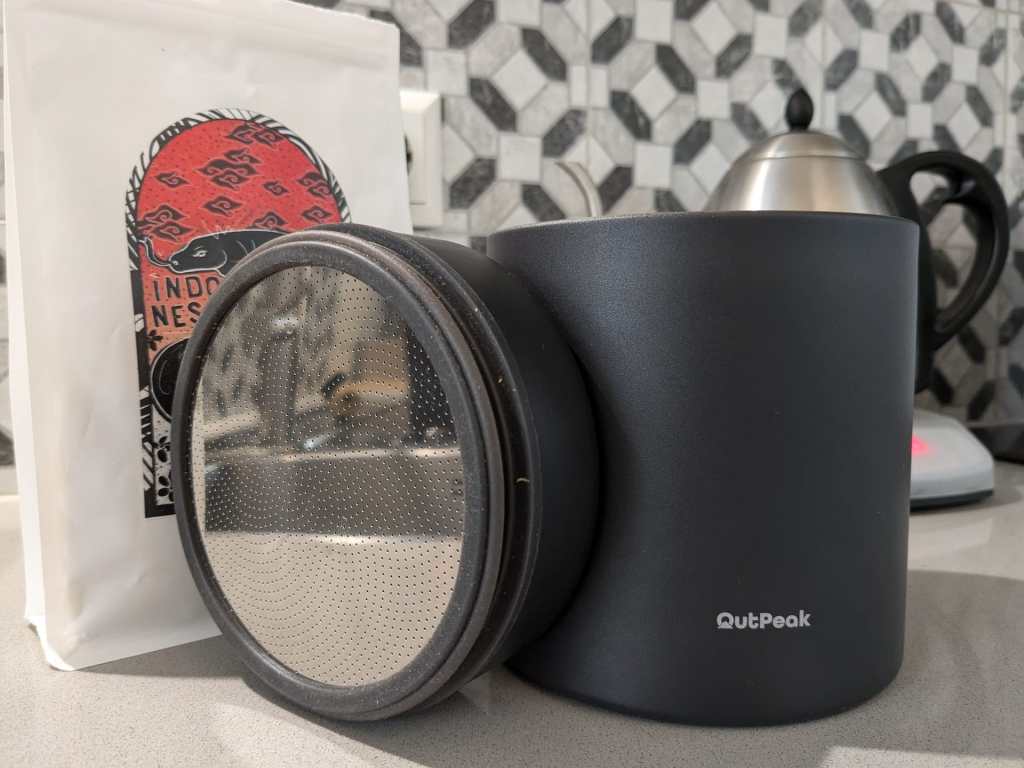
The diameter of the lid is slightly too large (ca. 12.5 cm or just under 5″) for my (small) hands, making it somewhat hard to get a good grip to open it. Letting air in twice helps.
The 500 gr canister is a little big when you only store 250 gr. That leaves a lot of open space inside. Perhaps 300 gr, 550 gr and 1100 gr versions are more inline with the amount of coffee most people need to store on their home countertop.
Getting a fresh bag every week is very practical anyway!
Investing in Long-Term Freshness
For coffee enthusiasts who value quality and freshness, metal coffee canisters with vacuum technology are a worthwhile investment. While they may be slightly more expensive than traditional storage options, the benefits they offer are undeniable. By preserving the delicate flavors and aromas of your more expensive specialty coffee beans, they ensure that every cup you brew is a great experience.
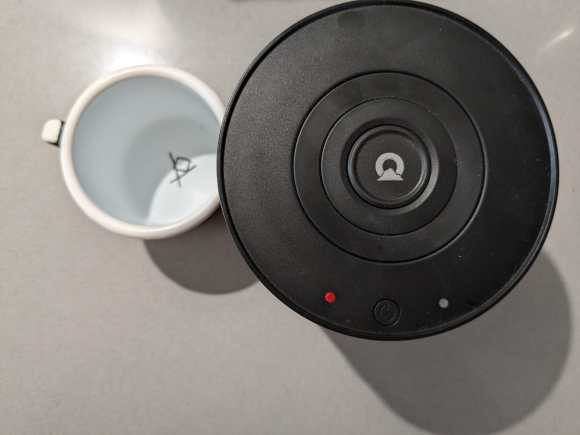
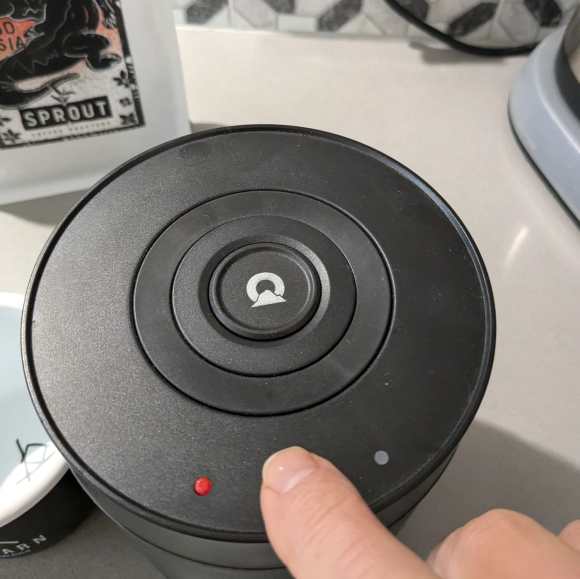
Pressing the vacuum button on the top of the lid. In the middle the large vent to let air back in when you open it.
If you’re tired of your coffee losing its luster after just a few days, it’s time to upgrade your storage game. Metal coffee canisters with vacuum technology, like the Outpeak canister, offer a simple yet effective solution. By creating an optimal storage environment for your beans, they unlock their full potential, allowing you to savor the true essence of freshly roasted coffee for longer.
Remember, the quest for the perfect cup starts with the beans. Treat them with the care they deserve, and they’ll reward you with an unforgettable coffee experience.
Update 1 Nov 26th 2024: Well, I have stored some decaf beans in the Outpeak vacuum canister for several weeks now. I wanted to test the preservation of flavors because decaf beans “spoil” much faster than caffeinated beans. We don’t know why yet. After being kept in vacuum for almost 6 weeks, the beans brewed a great coffee on my Hario V60. Very comparable in taste to a fresh brew when the beans are less than a week old! That’s wonderful news.
Update 2: Fellow has just launched opaque vacuum canisters (Atmos) as well at a comparable price to Outpeak’s offering. Good to see vacuum storage of beans in metal containers is becoming more popular. I know glass is prettier but it’s worse for the preservation of flavors.
I have always wondered how my coffee brew gets its zing. What makes up that “Golden Cup” of coffee? Why is one cup extraordinarily great and the next good but not quite that good, even though you used the same beans, same grinder, same water, same brew method?
The art of being a good barista is that you’re able to make a great coffee every single time. Turns out it’s not just about coffee beans and water, it’s actually a whole chemistry lab in your cup! 🧪
Five years ago, the Simonelli Group reached out to the Coffee Science Foundation, asking if they could somehow work together on cutting-edge espresso research? That open question in 2019 led to the start of an exciting multi-year research project by Professor Christopher Hendon at the University of Oregon, that wants to measure the chemistry that goes on in your cup of espresso.
That initial conversation led to a truly exciting initiative—a multi-year research project aimed at measuring espresso chemistry, correlating those measurements to sensory attributes, and laying the groundwork for science-based useable tools for the coffee industry.
Long story short: scientists are using electricity to break down what’s in your espresso. How do chemical compounds affect the taste of the cup of coffee and the flavors that you experience? 🤯
We all know coffee can taste amazing, but it can also be a rollercoaster of flavors. Is it the beans, the roast, the water, or your barista skills? 🤔 Turns out, it’s all of these things, plus a bunch of tiny molecules we’re just starting to understand.
Traditionally, we’ve always measured coffee strength using TDS (Total Dissolved Solids) – basically, how much coffee stuff is dissolved in the water. Coffee is still 98-99% water. But here’s the thing: you can have two cups with the same TDS that taste totally different. 🤯 That’s because TDS doesn’t tell us what kind of stuff is dissolved, just how much.
This is where electrochemistry comes in. It’s like using a tiny electric probe to see what molecules are in your coffee and how many of them there are. Different molecules react to electricity in different ways, so we can use this characteristic to create a kind of “fingerprint” of your brew.
This is super cool for a few reasons. First, it can help us understand how things like roast level, brewing time, and even the type of beans affect the flavor. 🔬 Second, it could lead to new tools for baristas to dial in their espresso perfectly every time. 🤩
The research is still ongoing, but the possibilities are endless. Imagine being able to measure the exact chemical makeup of your coffee and adjust your recipe to create the ultimate flavor experience. 🤤
So, next time you’re sipping your latte, remember: there’s a whole world of science behind that deliciousness. And who knows, maybe one day you’ll be using electrochemistry to brew the perfect cup! ☕️😎
Source: Amped Up: Using Electricity to Detect and Quantify Molecules in Brewed Coffee | 25, Issue 18
For those who love both coffee and adventure, cold brew coffee is a game-changer. It’s not just about the delightful aroma that fills your car, but the complex flavor profile that unfolds over time as you are driving and keep enjoying that wonderful flavor. Unlike traditional coffee, cold brew boasts a smoother, less acidic taste with a lingering finish that keeps you invigorated throughout your journey.
The cold brew method extracts flavor from beans using only cold water (< 20 C/70 F) and a very long brew time. This way, most of the harsh bitters and oils in roasted coffee are not dissolved which results in a coffee with a softer balance of flavors.
Unleashing the Magic of Sumatra: Indonesia Sumatra Organic
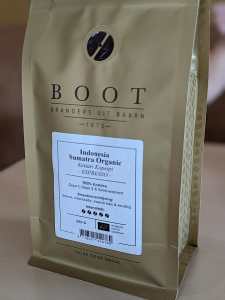
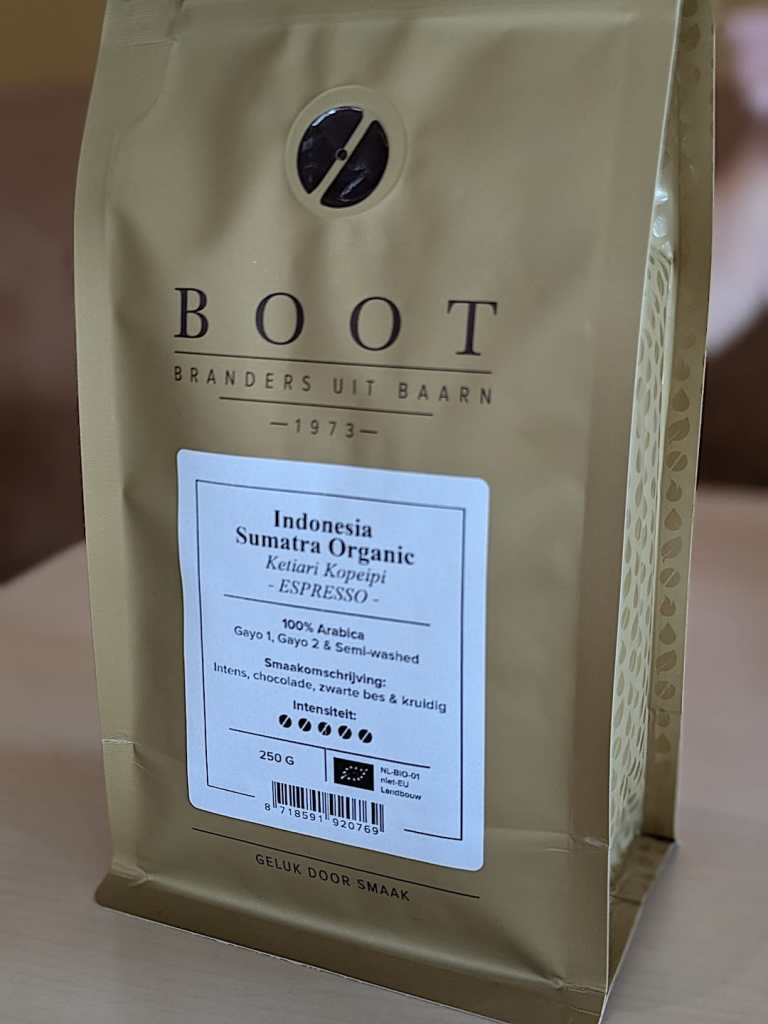
The key to an exceptional cold brew lies in the bean selection. I highly recommend the Indonesia Sumatra Organic beans from Boot Koffie, but you can also find these at Whole Foods and in various online shops. These beans, grown in the rich, volcanic soil of Sumatra in Indonesia, yield a full-bodied, medium-dark roast with a distinct chocolatey undertone and subtle spice notes. This unique character sets them apart from the milder Colombian varieties.
Crafting the Perfect Cold Brew
Achieving the perfect cold brew is an art form and highly subjected to your personal tastes. Here’s my preferred recipe:
Ingredients:
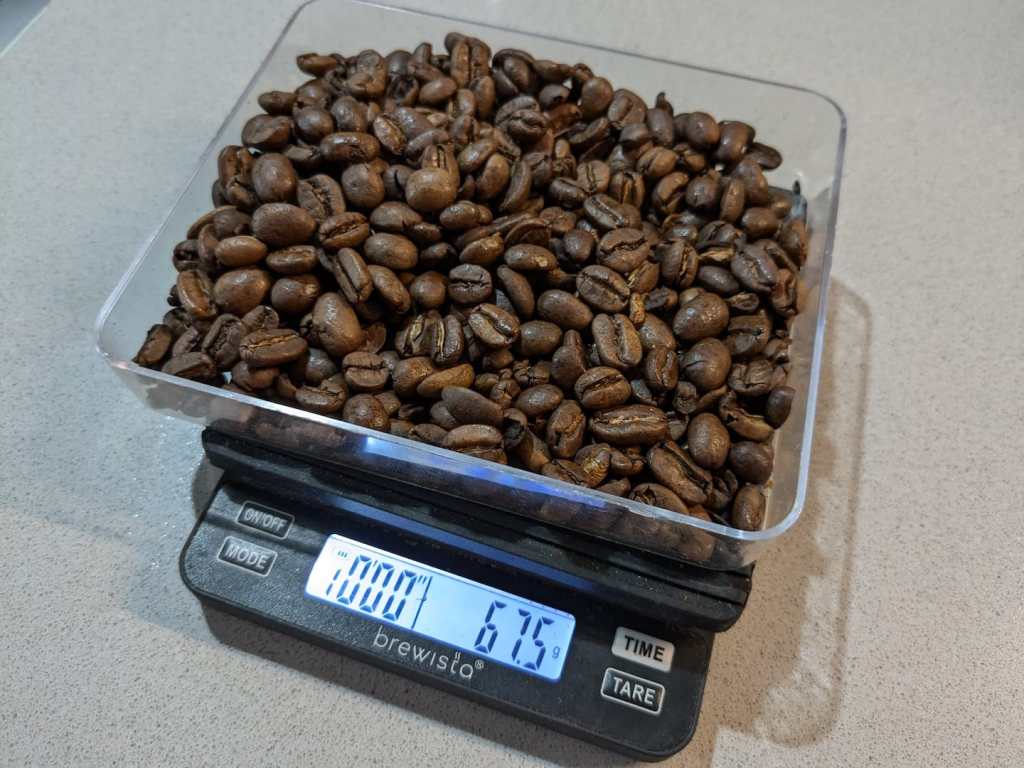
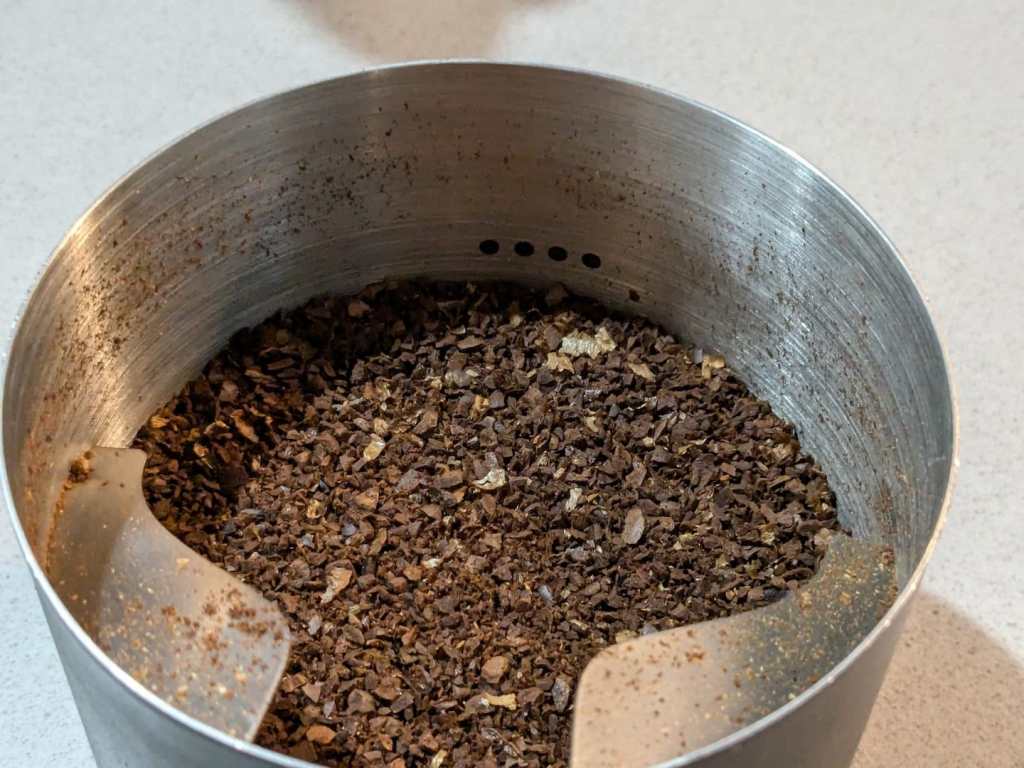
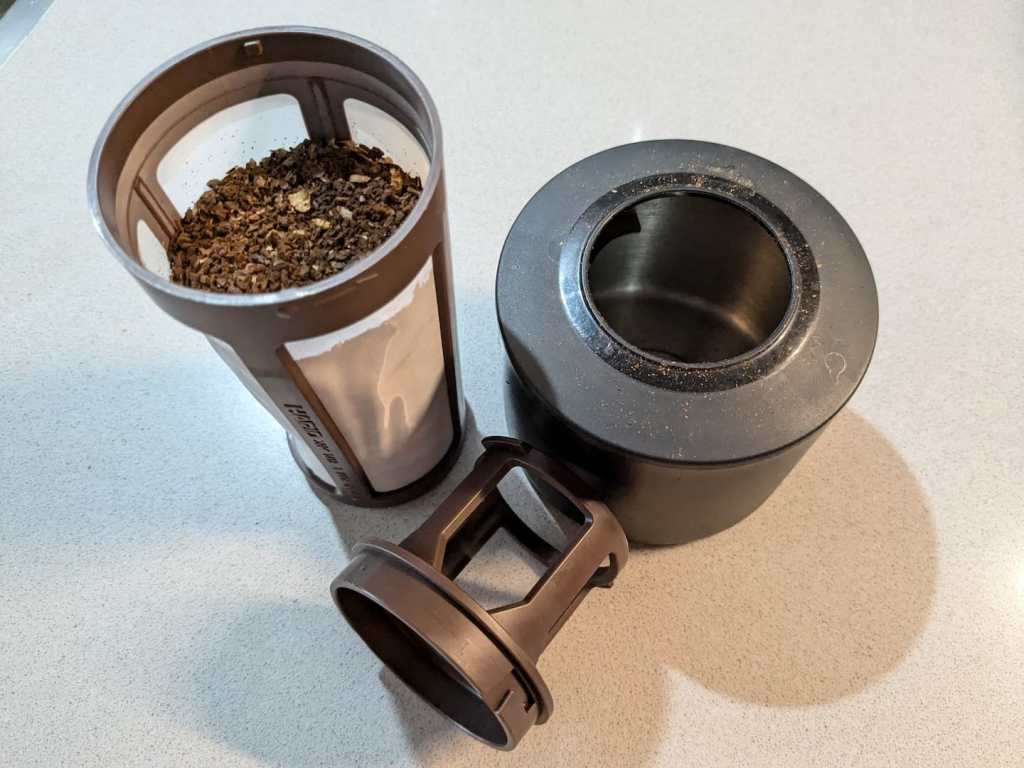
67.5 grams coarsely ground Indonesia Sumatra Organic coffee beans
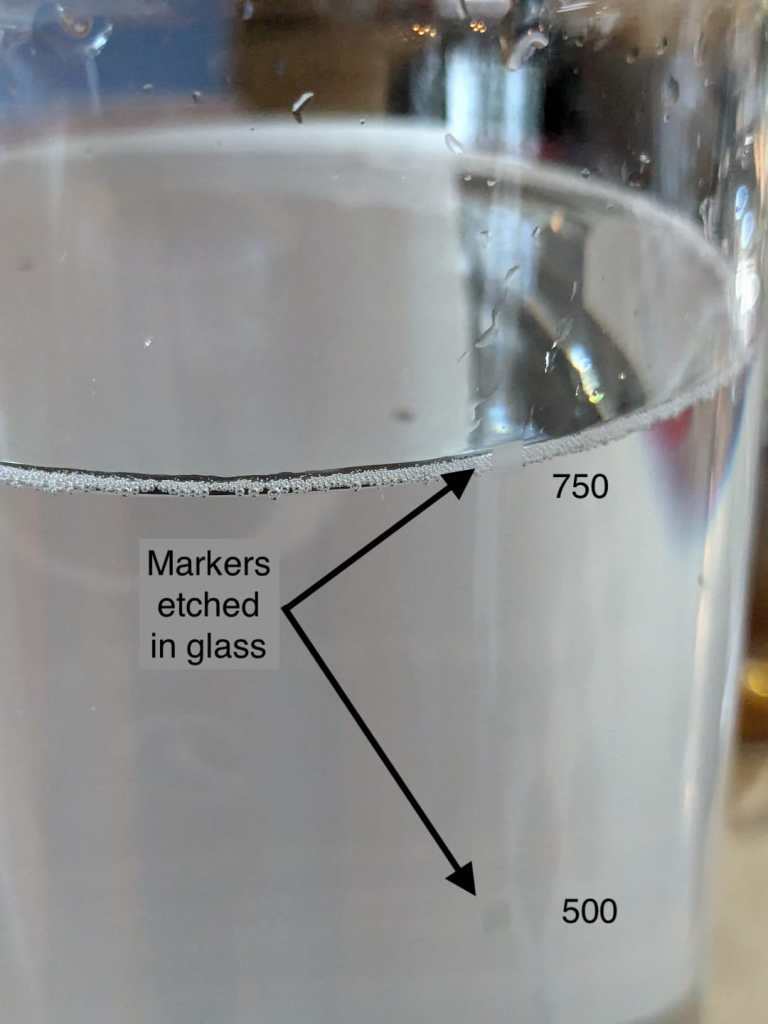
750 ml filtered water
Brewing Process:
Combine the ground coffee and water in a container. (5-10 min)
Steep in the refrigerator for 12-24 hours.
Filter through a fine-mesh sieve or cheesecloth. (5 min)
Savor your expertly crafted cold brew.
While 12 hours yields a flavorful brew, the full spectrum of flavors (particularly the chocolate notes) emerge after a 24-hour steep. Depending on your personal style, you can vary the brew time accordingly. If you like it, that was a good recipe!
A Word of Caution: The Caffeine Kick
Cold brew coffee is known for its potency, packing upto 2-3 times as much caffeine as an espresso or drip coffee. Opt for smaller servings to enjoy its benefits without overdoing it.
Also consider the beans you are using: Robusta beans have 2x the caffeine of Arabica beans! Cold brew is ideally suited for Robusta beans, in my opinion, because the lack of heat means you don’t extract as much of the bitters.
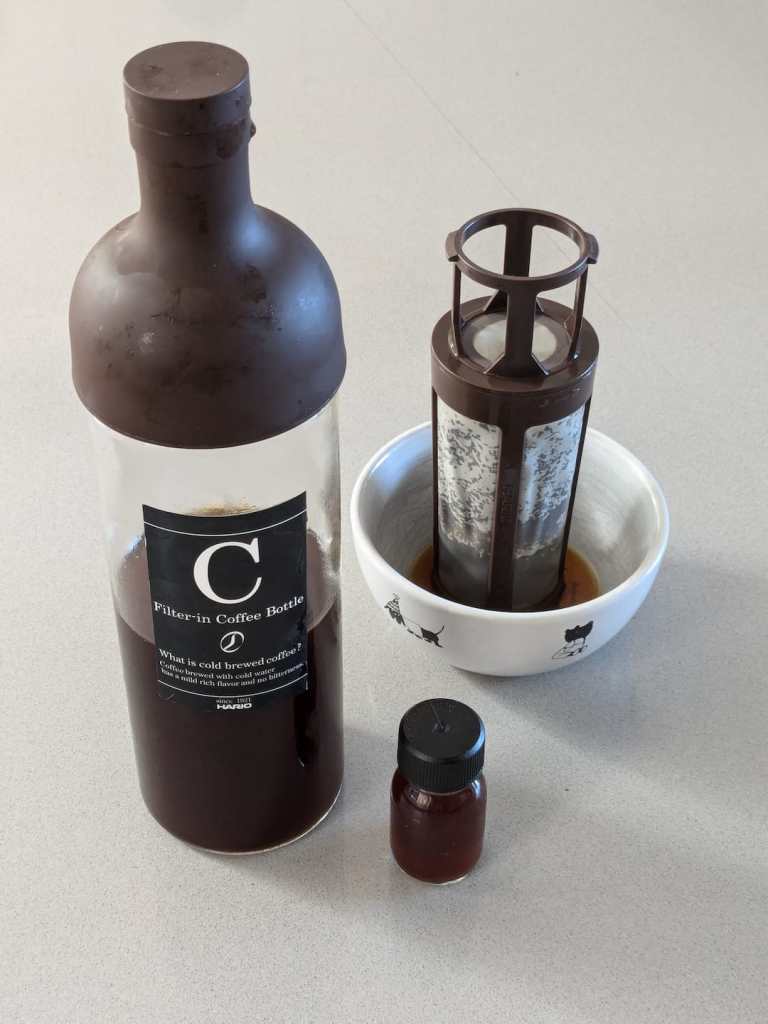
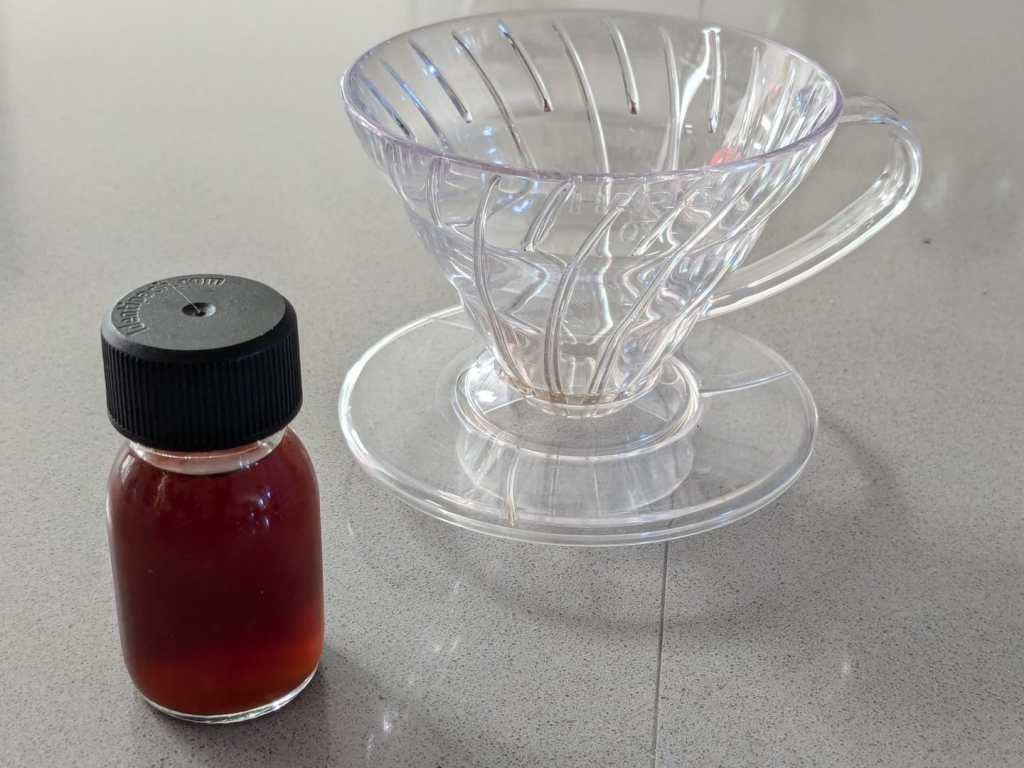
For convenience, I recommend the small, glass, reusable sample bottles available at identipack.com, for instance. Mine serve 50-60ml of coffee.
They’re perfect for pre-portioned servings, allowing you to enjoy your cold brew on the go. As a bonus, you can conveniently open a bottle by yourself, while everyone else in the car is sleeping p[eacefully!
In Conclusion
Cold brew coffee elevates your travel experience. Its alluring aroma, complex flavor profile, and sustained energy boost make it the ideal companion for those on the move. Explore the world of cold brew with the Indonesia Sumatra Organic beans and discover a new level of coffee enjoyment.
Equipment & Gallery
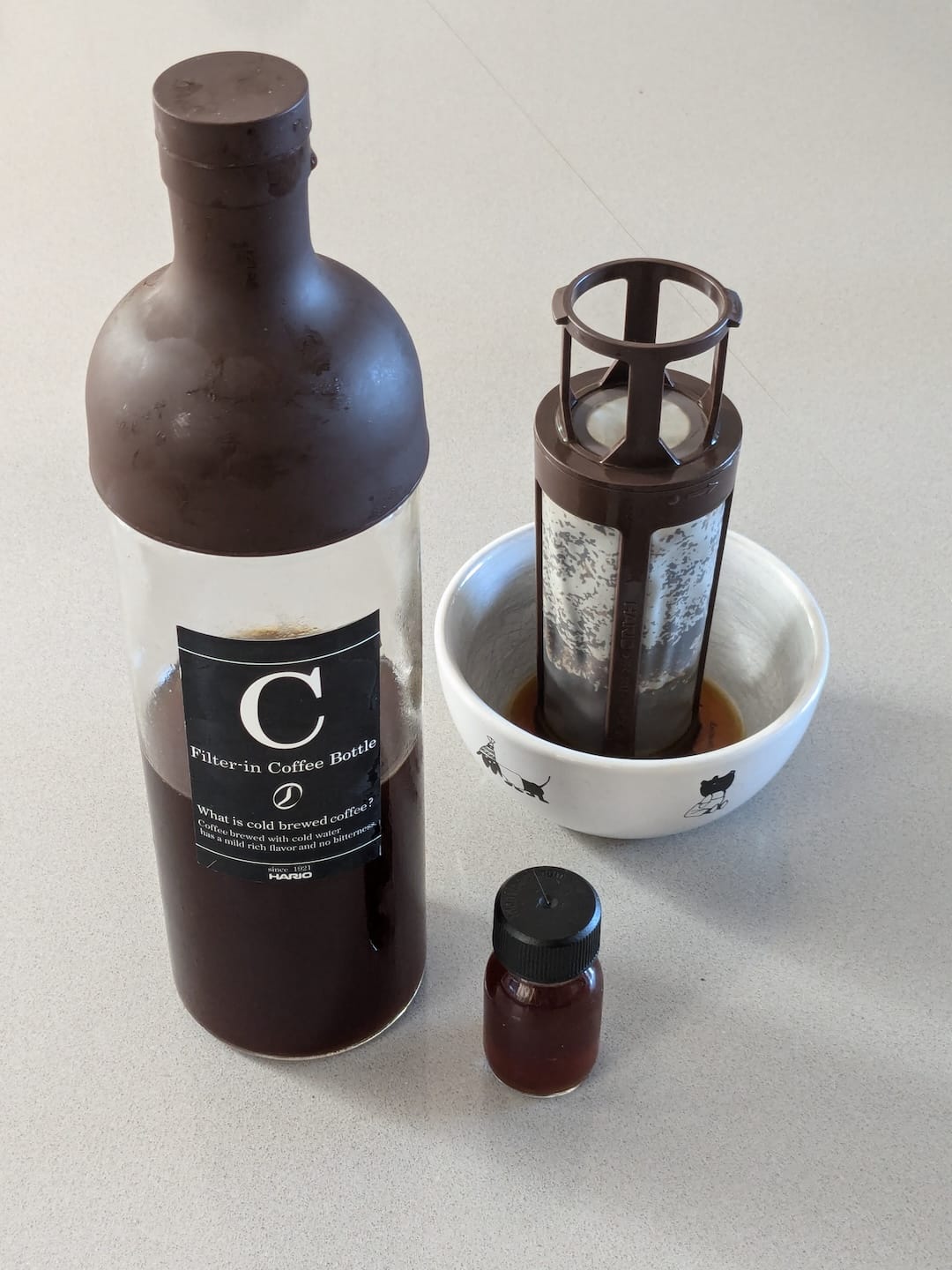
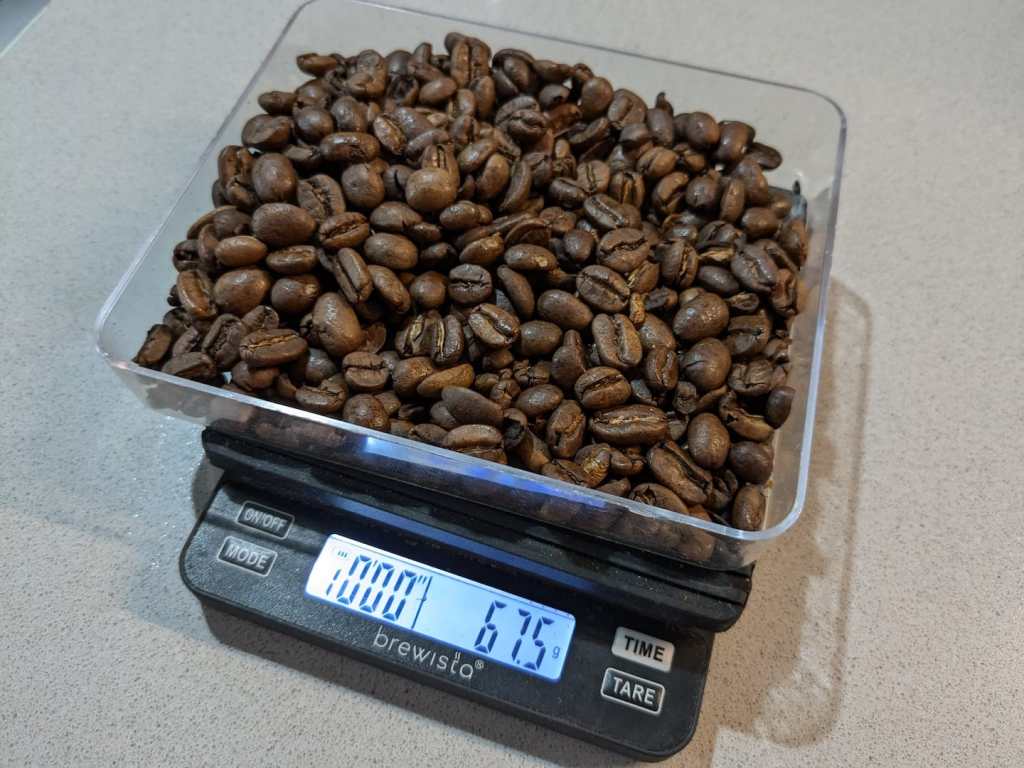
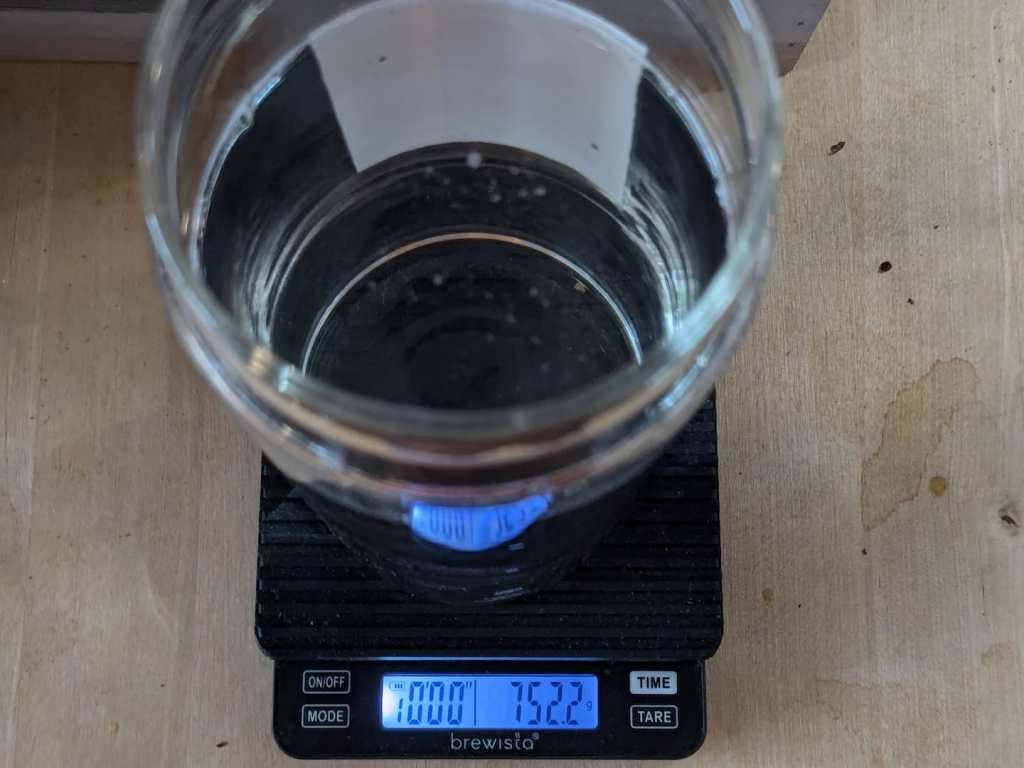
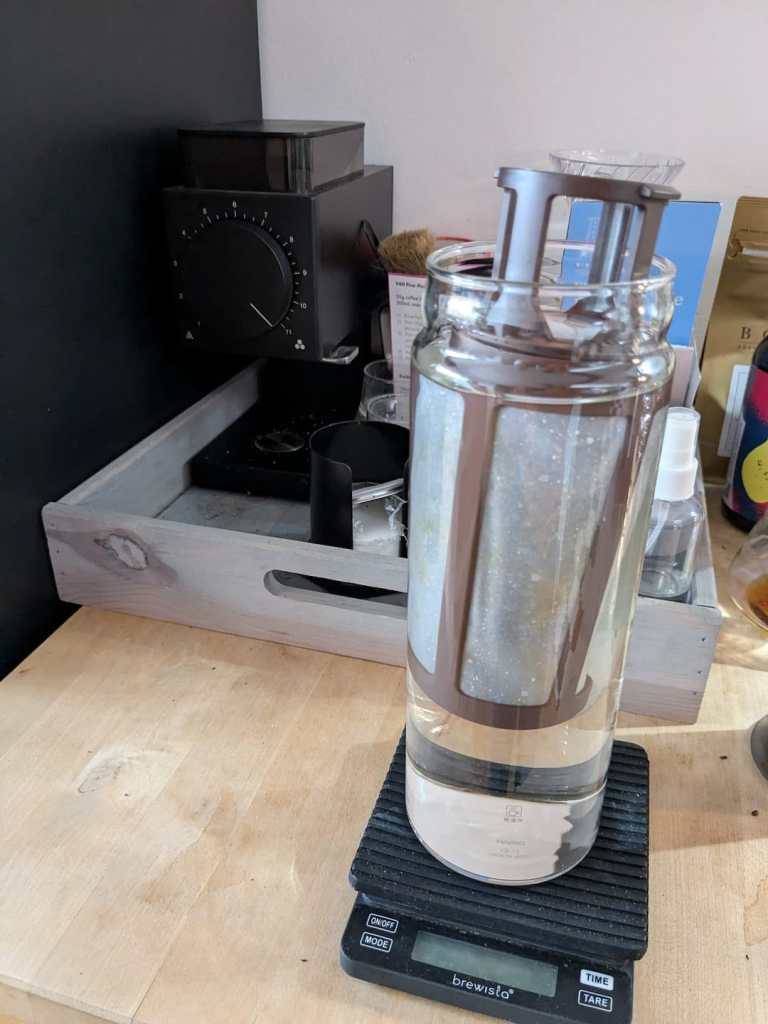
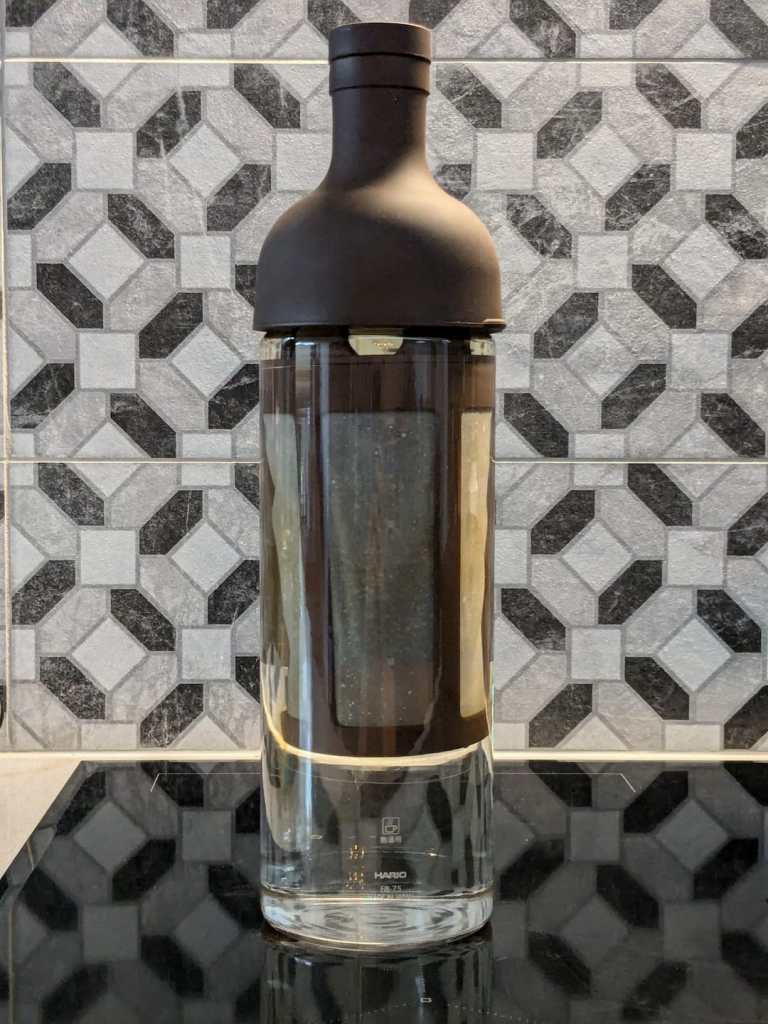
Below you can see a set of photos of how I prepared my cold brew. The brewer I use is the simple, elegant but great Hario Filter-In-Coffee bottle, available everywhere for approx 30-40 Euros. There is a larger version, but be careful: it holds so much cold brew you will need to notify your physician of what you are doing! (A joke, do not drink a liter of cold brew!)
I get asked this question a lot: “What’s the best coffee machine for at home?” Just like: “What’s the best coffee to buy?”
I understand why people ask it, though. They want an experienced opinion. I’ve tasted more coffees than most. Unfortunately, it is not that easy.
To answer the question: “What is the best coffee machine to use at home?”, I would first need to know what kind of coffee you prefer? In other words, the drink itself:
Black or milk-based coffee?
Espresso or filter coffee?
Drip, pour-over or submersion coffee?
To choose the best coffee machine for making coffee at home, you need to find your favorite style next. Then find the best machine that suits that style. That said, I can give a couple of recommendations for good coffee machines for your home. These machines make a great cup of coffee every single day.
Most people either prefer espresso-based coffee or filter coffee. We have all grown up to become accustomed to dark roasted, fairly bitter tasting coffee (with or without milk). With that in mind…
Espresso machines
When buying any espresso machine, do pay attention to the diameter of the portafilter. It is a handle-like device that holds the coffee grounds and attaches to the espresso machine’s brewing group. The portafilter plays a crucial role in the extraction process, determining the flavor, strength, and quality of the espresso shot.
Ensure that this is 53 – 58 mm, which are the industry standards. It should hold 14 – 24 gr of ground coffee. Anything smaller will also work but it will be much harder to find parts, accessories and additional tools. And you will get more tools! LOL
Fully automatic
Don’t get a fully automatic machine! Ever! Seriously.
My biggest complaint about fully automatic espresso machines is that they grind the beans for you without any useful form of manual adjustments. The manufacturer will never include a great grinder. That would make the machine too expensive. Always get a separate grinder, it will last you at least 10 years.
These automatic machines focus on convenience, speed and not flavor. So in my opinion, this is always a setback that I can’t except.
If you prefer speed and ease over flavor, then choose either of these:
The Pro version lets you tamp the coffee yourself. The Impress version has a built-in tamper and will do it for you. ¯\_(ツ)_/¯ Since tamping affects taste much, I prefer to do it myself.
I personally don’t like a Jura machine. Although it’s pretty, it’s too limited and maintenance is expensive. Sorry Jura.
Semi automatic
These machines are more my style. They automate some of the actions but not all. This gives you more control over the espresso that’s brewed. Note that a great espresso maker will cost at least 1250-1500 Euro/Dollars because of the quality of the parts and build. That does not include a grinder!
Your biggest choice depends on how you drink your coffee: black or white?
If you prefer black coffee (an espresso, long black or americano), your life is easy: choose a single boiler machine. They’re a lot cheaper.
Do you (or your partner) prefer white coffees? Think about how many cappuccinos or lattes you will make? For one or two each time, it’s fine to get a single boiler machines as well. First froth your milk then brew the espressos! If you drink more coffee daily or host regular dinner parties, then you should opt for a dual boiler machine. That way, you can start frothing the milk while the espressos are still brewing.
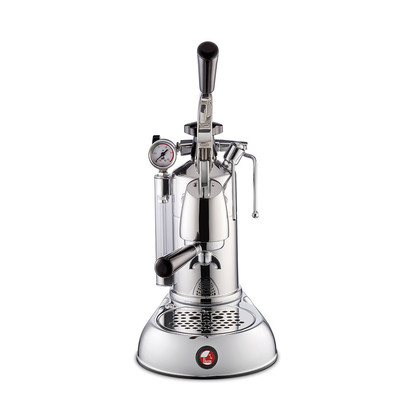
La Pavoni Stradivari
Manual espresso machines
A category on their own for this is where innovation really shines.
Superkop is a brand new, solid, durable design and fully non-electrified. It will work when the power is out, on the road or camping, when disaster strikes and zombies invade our homes! It only needs hot water and ground coffee. It will last a lifetime with only a few replaceable moving parts.
The lever-operated La Pavoni is a classic machine! A gorgeous design that does require some practice and getting used to. Once you do, it is the holy grail of many baristas. Beautiful to look at and room for creativity to add you own special twists when making an espresso.
The Flair revolutionized the world of home baristas when it appeared on Kickstarter. It’s cheap, easy to make, easy to use and a great way to get into making better coffee at home. Quality has improved a lot since and you can’t go wrong with it!
Filter coffee machines
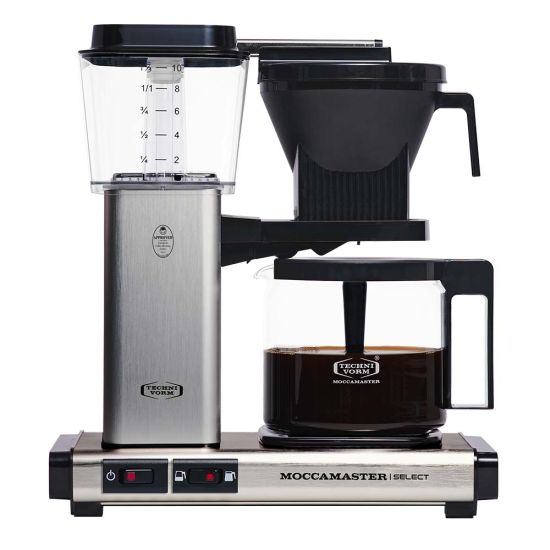
Moccamaster KGB Select
The traditional home coffee makers have received a ton of innovations and improvements over the last 3-5 years. Coffee making, filter coffee at home, has drastically improved since the 80s and 90s. Designer machines, premium options, gorgeous materials and very reliable manufacturing mean that today’s coffee maker is light years ahead of those our parents and grandparents used.
Moccamaster has been the go-to coffee maker for many official coffee competitions and conferences. They’ve been around for 40 years and are rock solid, well built and easy to maintain or repair.
You can also refer to the SCA certified list of approved coffee makers. The Specialty Coffee Association takes their work very seriously. Every machine is thoroughly tested and retested to ensure it makes a great cup every single time, all the time.
I hope this answered some of your questions and gave you a good start to selecting the best coffee machine for your home. Maybe it just confused you more and made you reevaluate what it is you want. Then at least I did my job. Trust me when I say that you will not find the best machine in one go. I will take several iterations before you find what works best.
Most of all, your taste for coffee will change and that brings new machines, new coffees, new equipment and new kitchen setups. If you can, buy second hand on Ebay or your local penny savers. Closed restaurants often sell off their equipment to pay debts. That’s a nice way to get a premium machine for less.
PS: If you follow my advice above and do not buy a fully automatic machine, you will need to also buy a good grinder. That’s a whole new subject, but for starters I can recommend watching James Hoffman’s review video:
One of the better things that Corona has brought to the world is the increasing availability of fantastic, fresh roasted, coffee bean subscriptions to all those who value excellent coffee when working from home! There are so many coffee roasters that have popped up as well and they sometimes bring you true gems from the coffee world to your home.
Fresh roasted beans
A coffee subscription brings you freshly roasted coffee beans to your doorstep on a regular basis. Some let you choose the frequency at which this happens, others deliver it to you every other week or month. Often, you can choose the “profile” of the coffee, which means you can decide if you want to the coffee roasted for espresso (a little darker) or for filter (a little lighter).
Did you know that coffee loses most of its delicate flavors within 15 minutes (!) after grinding? If you have always used supermarket coffee, then you really do not know how good coffee can taste!
Most coffee subscriptions can send you a fixed set of beans of your choosing, sent to you at regular intervals. You chose the roast level (espresso or filter, dark/medium/light), the quantity and which beans. From then on, you’ll never run out of fresh coffee beans again.
You may be able to set some parameters, such as blend vs. single origin or washed vs. natural beans. A few promise to occasionally send you a surprise coffee or a special coffee as well, as a thank you for your loyalty. This means you get a reliable source of great coffee beans sent to your house.
Quality of the beans
The quality level is above and beyond what you can get from the supermarket or your local coffee store, despite the latter already offering a much better bean than the supermarket. Local coffee roasters simply chose better green beans and take more pride in their (artisan) craft. They take more time and care to roast the beans slowly, which greatly enhances the flavors in the beans (source).
A rotating coffee subscription is a subscription for fresh coffee (beans or ground to your specs) that arrives regularly, but contains different coffees each time.
No Pressure Coffee
Another benefit of getting a fixed set of beans on a rotating schedule is that you don’t need to complete redial your brew settings all over again. Each bean often has a unique recipe: the setting on the grinder, the weight of dry coffee you use for the best flavor, the temperature of the water used to brew the coffee and maybe even the number of pours used to make filter coffee. If you write down your recipe (I highly recommend you do!) then when you get a known coffee again, you can simply reach for your last recipe and use that instead of having to go through several runs to optimize the recipe for taste.
Rotating subscriptions
Some coffee subscriptions give you the option to rotate the beans regularly. Each new delivery will bring different beans than the one before. I call this a “rotating subscription“. It’s a lot of work to source new green coffee beans on a regular basis, roast them and taste/cup them, adjust roasting profile, weigh and package all the subscriptions and do it all over again a week (or so) later. That’s something that only a handful people manage.
But… if you stay on long enough, you may start seeing certain beans reoccur. Not everyone has a limitless supply of every bean out there. Even roasters buy limited quantities of green beans and these run out, eventually.
Recommended Coffee Subscriptions
Here is my list of recommended coffee subscriptions in the Netherlands:
NOTE: all of the above roasters now offer a choice between a fixed or a rotating coffee subscription! That’s great news for us.
the coffee vine, Amsterdam (2012), is a unique coffee subscription because they use rotating coffee roasters and ship their monthly changing beans all across Europe and world-wide! They have true gems and unique beans but the coffee is not what I’d call suitable for beginners. If you’d like to try totally different and wonderful beans each and every time, this is your go-to place!
If you are a coffee roaster and you offer a (rotating) coffee subscription as well, please get in touch with me if you’d like to be included in this list!
No Pressure Coffee
Update Jan 2024: Boon no longer exists, filter box by Man met Bril is gone, Black and Bloom has sadly reduced their catalog and does not serve a subscription anymore, Uncommon added. Text updated and reworded.
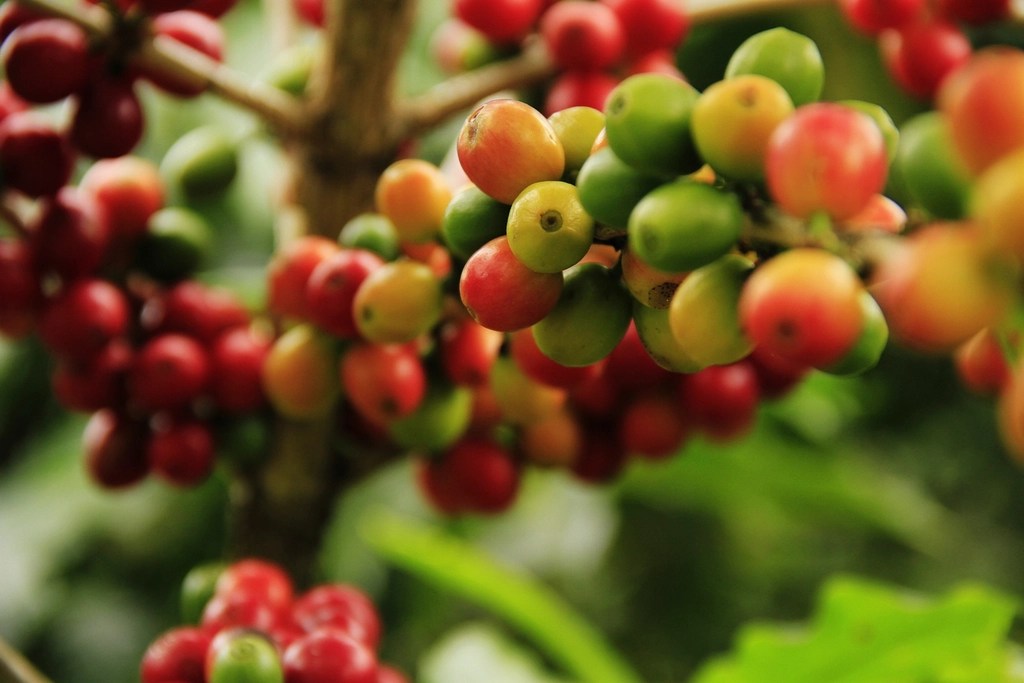
When coffee bushes are filled with cherries and they are ripe (dark red), they can be picked and processed. The skin is removed until only the “pit”or bean of the fruit remains. The bean is green until roasted.
In addition to these three processes, one can apply an optional extended fermentation process that can be applied to both methods.
In the washed method, the most common process, the coffee cherries are pulped to remove the skin and fruit flesh. The beans are then fermented for a shorter period of time, typically around 12 hours. After fermentation, the beans are washed and dried in the sun. Washed coffees generally have a cleaner flavor than natural coffees.
In the natural method, the coffee cherries are left whole and fermented with their skin on. This can take anywhere from one to three weeks, depending on the weather conditions. The natural fermentation process in the fruit during this period breaks down the sugars in the coffee cherries, which contributes to the flavor of the finished coffee. After fermentation, the coffee cherries are dried in the sun until they are brittle.
An additional extended fermentation process can be applied to both natural and washed coffees. In this process, the coffee cherries or beans are fermented in an anaerobic environment, which means that there is no oxygen present. This can create a more complex and fruity flavor in the finished coffee.
Here is a summary of the different processing methods:
Natural: Coffee cherries are fermented with their skin on for an extended period of time (1 to 3 weeks). This results in a coffee with a more complex and fruity flavor.
Washed: Coffee cherries are pulped to remove the skin and fruit flesh, then fermented for a shorter period of time (12 hours). This results in a coffee with a cleaner flavor.
Honey: Coffee cherries are pulped to remove the skin and some of the fruit flesh, leaving behind some of the mucilage. The amount of mucilage left on the bean affects the final flavor profile.
Extended fermentation: Coffee cherries or beans are fermented in an anaerobic environment. This can create a more complex and fruity flavor in the finished coffee.
The video below shows you the difference between natural and washed coffee processing, including a 72-hour anaerobic fermentation process for natural coffee.
The video starts with showing freshly picked red coffee cherries. They show that only red cherries are picked because they are at optimal ripeness (i.e. sugar content).
Natural method
The author of the video (Roaster Kat from Germany, who operates a YouTube channel showing what her work is like) explains that the skins are left on the cherries during this process. The cherries are dried until the skins crumble and fall off easily.
Then the video dives into an optional, additional, natural coffee processing. First, the coffee cherries are put in a plastic bag to ferment anaerobically, which means there is no oxygen. Yeast and bacteria are added to the bag to consume the sugar in the coffee cherries.
After four days of fermentation, the coffee cherries are taken out and rinsed. They are then laid out on a drying patio to dry for one to three weeks.
Washed method
Next, the video explains washed coffee processing. The skins are first removed from the coffee cherries using a long soak in water and a depulping machine.
Then, the beans are fermented in a tank with water for about 12 hours. The narrator explains that this fermentation process is shorter than the one used in natural coffee processing and its purpose is to remove a layer of sticky sugar from the beans. After fermentation, the coffee is rinsed and dried on a patio for several days.
Finally, the video shows how coffee is processed at a dry mill. The dry mill removes the outer layers from the coffee beans and sorts the beans by size and density.
Anaerobic fermentation
The video also talks about extended fermentation, which is a process that can be used with both natural and washed coffee. RoasterKat explains that extended fermentation can give coffee a unique flavor. In the video, they use a 72-hour anaerobic fermentation process.
Fermentation introduces a wealth of different and unique flavors in coffee. Very similar to how grape juice is fermented to wine. The process can be influenced by introducing other yeasts onto the coffee beans than those naturally occuring in their habitat. Commercial yeasts are readily available from companies such as DSM and you can choose the yeast by the flavor you want to create afterwards.
Need more information? Check out this article explaining the different processes in great detail.
Scientists have finally answered a burning question of mine: why should an espresso be brewed in 25 +/- 2 seconds and use approx 15-22gr of dry coffee to yield 50ml of (a double) espresso?
Who came up with this rule and why? Not that I have a specific problem with it but it seems so arbitrary. Also, once you start to make espresso’s a day long, you’ll notice that it’s really hard to dial in the equipment a certain way and maintain those rules for every cup. Sometimes it’ll be 21 seconds, sometimes 29. The grinder is pretty accurate. The beans are practically the same. So where does this high variation come from?
Well, it turns out that brewing your espresso differently yields the same great taste and flavors while achieving this with much greater consistency and reducing the cost per cup of espresso!
How did they do it? Well, they started by reducing the process to a proper model with solid mathematics behind it. Brewing an espresso is basically fluid dynamics of a bed of particles. The “puck” being coffee grinds of varying sizes and water is pushed through this bed at a certain pressure.
These mathematics are very well understood and accepted. So the scientists started with this model, created equations for everything and solved the equations using differential equations. That resulted in a few parameters and then they found the optimal solutions.
Sounds easy enough but believe me the math is pretty impressive, yet their logic is sound.
Turns out if you lower the pressure to 6 bars instead of 9, use 7-15gr of dry coffee, ground more coarse then tradition tells you to and aim for an extraction of 8-15 seconds, you will get a beautiful espresso that is much easier to reproduce!
So I decided that this valuable guide to the best coffee beans in the Netherlands needed to be updated!
Christian, January 2024
What are the best coffee beans in the Netherlands? Well, that depends a little on personal taste and favorites, but I can tell you who roast amazing coffee beans in the Netherlands and sell their coffee online!
Traditionally, there are a handful established coffee roasters in the Netherlands who have been producing specialty coffee since it wasn’t called specialtycoffee. These are oldskool roasters who’ve always been on the lookout for great green beans, source great coffee farmers and who know how to source these beans and treat them well. In my opinion, these are:
Capriole Coffee Service, Den Haag (1975) capriole.nl
However, the whole third wave coffee movement have sparked a bunch of great newcomers with new routes, difference sources, smaller batches and that great newcomer creativity and curiosity. They get beans that are “off the beaten path”, if you will, or from non-traditional coffee producing countries.
More recently, since roughly 2010, coffee farmers are experimenting with added fermentation of beans before drying them. This creates a whole range of funky flavors.
Some are pretty large scale roasters already, roasting dozens kilos of coffee every single day to keep production and delivery going. But others are small, artisan roasters, roasting green coffee beans to order once or twice a week.
I’ve had excellent coffee beans from all of these sources, but three that stand out for me and who’s taste I can still recall are:
Fabulous lush sweet yellow fruit tones combined with a medium to full body coffee, just enough bitters and everlasting flavors. And the smell when you brew is intoxicating!
Super tasty creamy coffee with red fruit tones and a full body. But the peculiarity is the thick fermented “wine-like” notes you smell when you open the package.
What’s the best coffee I’ve had from a non-Dutch source, you ask?
Amavida Coffee! ❤ Price was high but the rewards were too!
But don’t take my word for it! Check (the sadly discontinued) “Koffie Top 100” from 2018, which ranked the 100 best places to drink coffee in the Netherlands, and a find a place near you that excels in making coffee. Ranking was made by a professional coffee jury and each venue was visited at least 2x to see if they were consistent. Very impressive list, even today.
For a more recent assessment of coffee in the Netherlands, check the fantastic site koffietje.nl by the always lovely Sam. She brings a personal note to all the coffees she tries. If she likes it, you know it’s good. But if it’s great depends on you!
Update May 2022: Added Blommers to the list after tasting their excellent beans during the Dutch Brewers Cup finals in March 2022 at the Amsterdam Coffee Festival (ACF).
Update Jan 2024: Added Uncommon Amsterdam, Little Roastery and (how could I forget?) the Village Coffee. Small typos corrected and added note about fermentation of beans. Mentioned koffietje.nl. Replaced koffie top 100 link. Boon has closed.
This post on Insta by GoldMountain Coffee shows you very clearly the road a coffee bean takes from being planted to harvest, sorting, washing and so on. Very good pictures!