Categories
brewing coffee news training

Barista ethics, principles and practice

After working as a barista in various places since our return to the Netherlands in July 2019, I’ve learned that the coffee business is vastly better here than on Sint Maarten. The beans, the machines and the skills of the baristas working there are much better than there.

But what’s surprised me the most is that most places stopped after buying better quality beans or investing in a good machine.

Many places shamelessly use the same beans for espresso as well as “gewone koffie”, the historical Dutch name for normal coffee meaning filter coffee that our parents and grandparents used to make.

Some establishments use at least a different grinder when making “koffie”. But they opt using the same espresso machine because it’s there, so the “koffie” is most often approximated by a lungo.

A few use both a different bean as well as a separate grinder. A conscious decision. But I fail to understand why you don’t simply make “koffie” using a filter method?! After all, if it is about the money, and I think it is, then the math of making a liter of coffee from 57-63g of ground coffee is always better than turning 17-19g of the same coffee into 50ml of espresso or 90-100ml of “koffie”. Right?

And if you decide to use different beans for espresso and “koffie”, because of flavor I assume, then how come you don’t use different beans for cappuccino? After all, roughly 70% of coffee drinks sold in the Netherlands are “white coffees” aka milk-based coffees such as flat white, cappuccino, latte macchiato and large lattes.

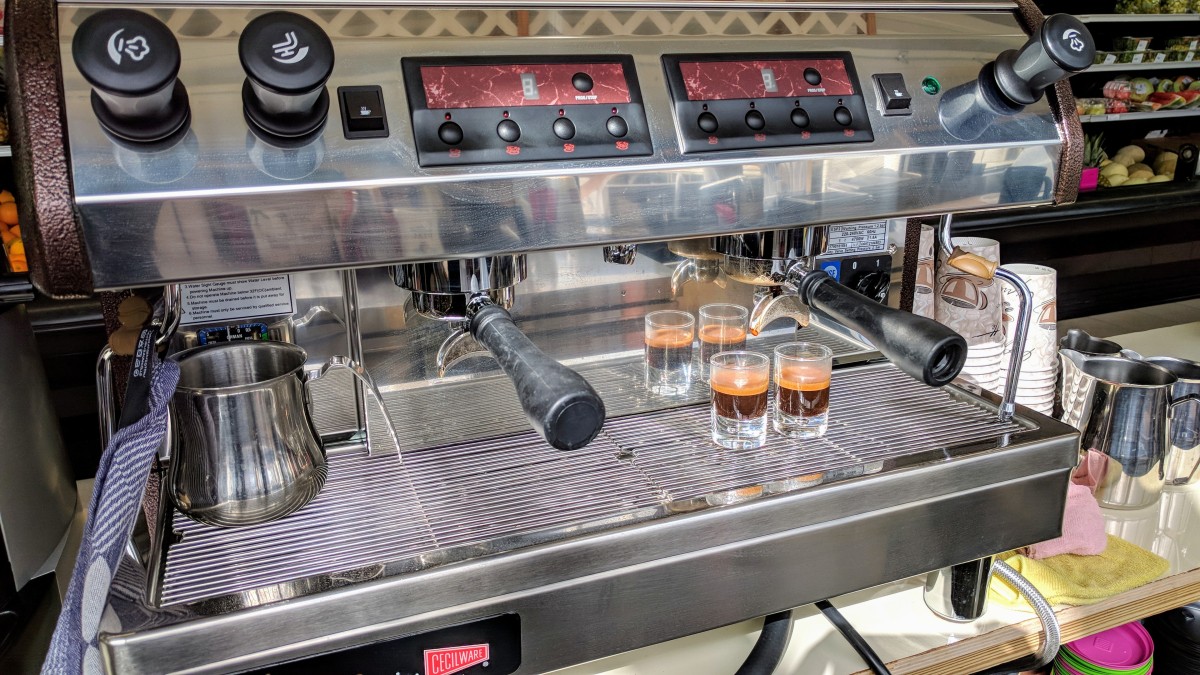
I’m often disappointed by what I find in espresso bars during my Temper shifts. Large 3 group machines supplied by a caterer and left to more and more careless baristas who’s level of care and quality goes down by the month when management is not present, training is no longer provided and customers don’t know better.

Granted, many people working as barista are students either during the studies or directly after, earning money for leisure time, travel plans or settling down. They learn on the job while doing it and some of them are truly gifted and highly skilled by intuition. Nothing wrong with that. But as soon as they leave, and there’s always a better laying barista position coming next month – turnover is a bitch – knowledge is drained and whoever is left in charge has to pick up the slack. But pay is low, pressure is high and people don’t seem to care or know.

I’ve been searching for a better place to make excellent coffee now for 2 months and every place that I’ve talked to is stuck to bean contracts, doesn’t want to invest anything further and can’t train the people with SCA courses.

Well you can’t have it both ways! You want cheap high quality coffee fast, but you only pick two at any time. Not three. Skilled baristas cost more, care for the equipment, as well as customers. They know how to tweak the machine on a daily or even hourly basis to result in the best quality coffee.

Nothing makes a barista more happy than a great clean machine, new grinder or a kilo of fantastic beans to try out. Reward staff with perks, not salary. The effect is the same, if they truly love their jobs. Hire a legendary barista or roaster to give a workshop and spark their interest again, relight that fire (no, don’t go there!) and give the team a new boost of energy.

Categories
coffee news

Coffee Cabana has a new barista

I will be working as a part-time barista in the wonderful new Brazilian-minded coffee place Coffee Cabana, in Utrecht, starting today!

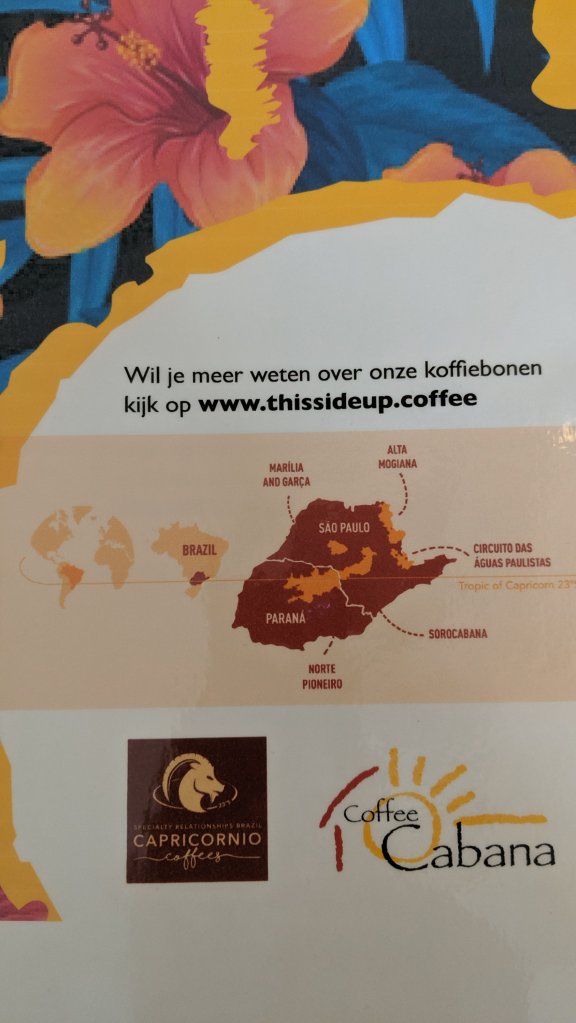
Single origin Brazilian coffee from the owner’s region where she grew up. Roasted to spec by Spot On Roasters in Amsterdam. We’ll try to bring back the smells flavors of the coffee she grew up with.

They also offer Brasilian bites and dishes for lunch and in between. Many products made from Tapioca flour which is naturally gluten free and vegan. Come check them out! Close to train station Vaartsche Rijn in the Vondellaan in Utrecht.

Coffee Cabana beans from Brasil
Coffee Cabana
Categories
brewing coffee news

Trying Amavida Coffee

I’ve been waiting for a good reason to do so, but now that my beans are gone, there are no visitors scheduled to arrive anytime soon and I really don’t enjoy local supermarket coffee, I had to find a new supplier.

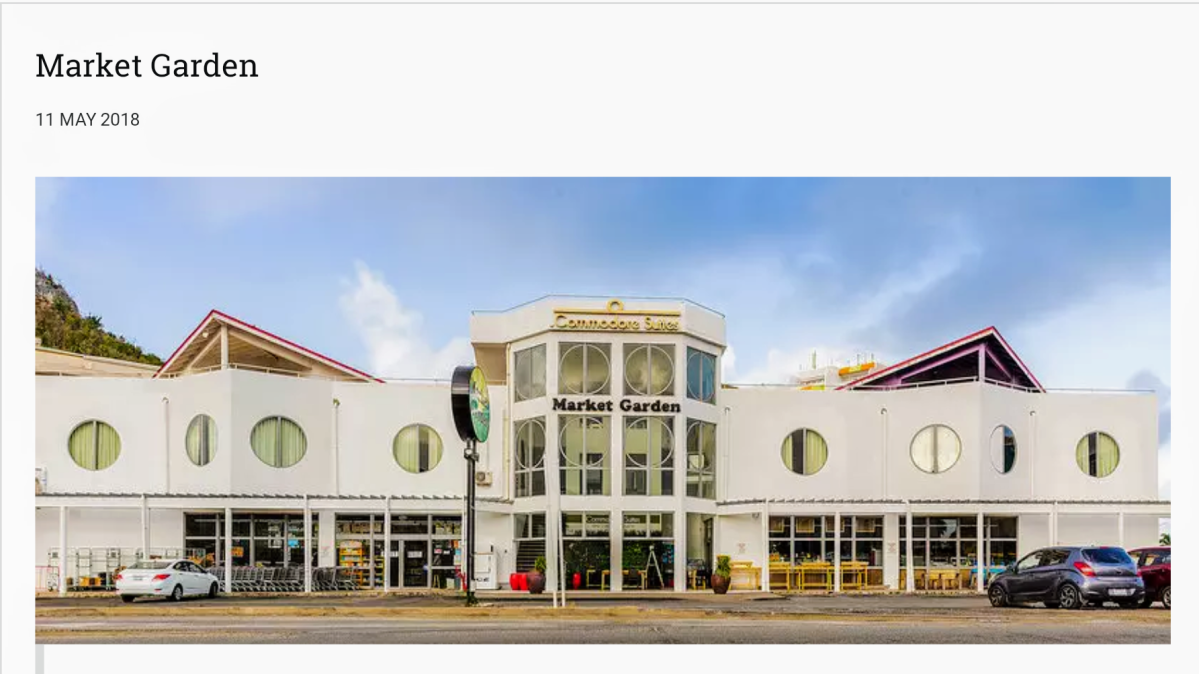
Now, from my experience at the Marketgarden supermarket, I know that Carib Bean Company in Antigua is a good, local and reliable supplier. They make fabulous blends that have stood the test of time, roast on-demand and deliver via airfreight. Fast, but expensive. So I need an alternative. Maybe it can be achieved cheaper, better coffee or faster?

Amavida coffee roasters

So I ordered a couple of small 8-12oz sample orders from Amavida in Miami. I use a US mailbox address that can repack multiple orders into one small package and forward that via boat, DHL or Fedex. MyMalls is fast and reliable but also not as cheap as using local shipping companies such as SCS, Tropical or the Mailbox. However, for fresh roasted coffee it must be fast.

The tropical heat and humidity kill off roasted beans in 15 min when left exposed to air!

So Amavida it is and I’m very excited! They were awarded “Roaster of the Year” in 2018, so my expectations are very high! I hope they equal or surpass my experience with the Ethiopia single origin from Evermore in Rotterdam!

Categories
coffee news

Running out of beans

After having finished the amazing reserves of coffee beans I’ve had brought to me by visitors, the sad time arrives when they run out… This happened last week so now I am resorting once again to supermarket coffee from St Maarten.

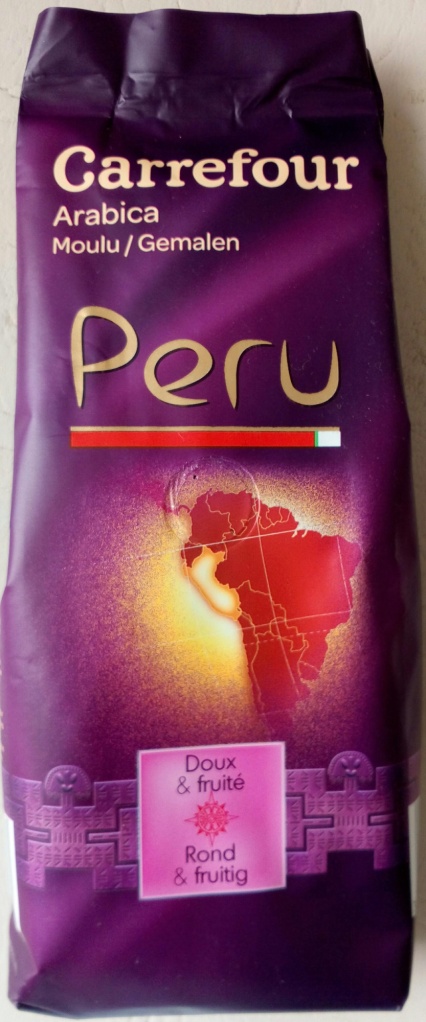
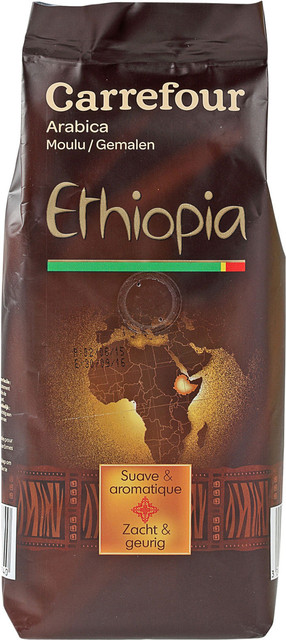
Which coffee do you drink?” is a question I get asked regularly. Well, I don’t make it a secret but bean selection on St Maarten is pretty poor and limited. I’ve tried all the coffees, both ground and whole bean, and my favorites are the house brands from either SuperU or Carrefour. Value/price is super. They both have the same supplier that packages the coffee in custom packages for both, but the coffee is identical as far as I have been able to test and taste.

They come in different “flavors”: Peru, Colombia, Brasil, Ethiopia and Mexico. The Peru and Ethiopia match the best with my tastes. Bold, strong smells and flavors, full bodied strong coffee with enough balance and sweetness not to make it too bitter. They are blends from 100% Arabica beans. Both of them.

Normal recipes call for 30 gr of coffee for 500 ml of water (at 92-96 Celsius) but since this is an espresso grind and not a filter grind (much finer than would should be used), I either use colder water than prescribed (82-86 C) or I reduce the amount of coffee by 10% (3 grams here).

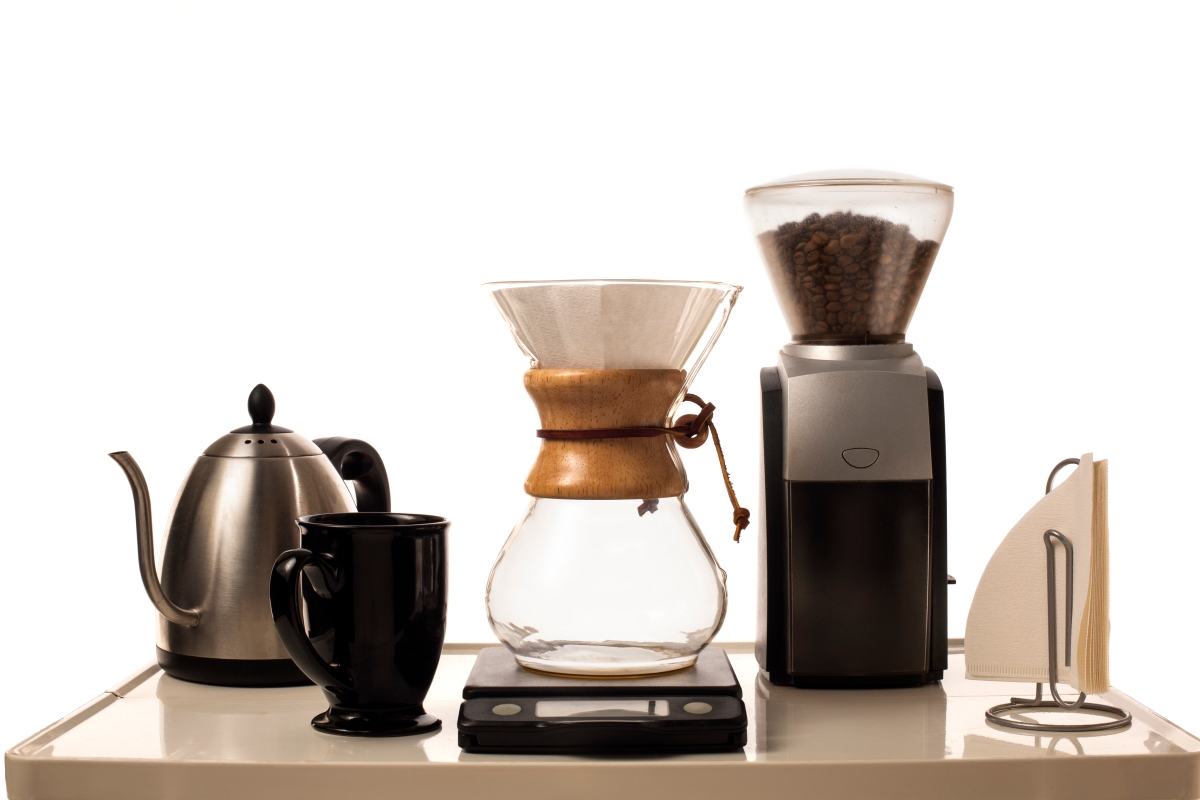
My favorite brew methods are Aeropress in the morning (it makes a more bitter espresso-style cup) and Hario V60 in the afternoon (smoother, milder, less bitter oils)

Categories
coffee news travel

Caribbean Coffee Culture

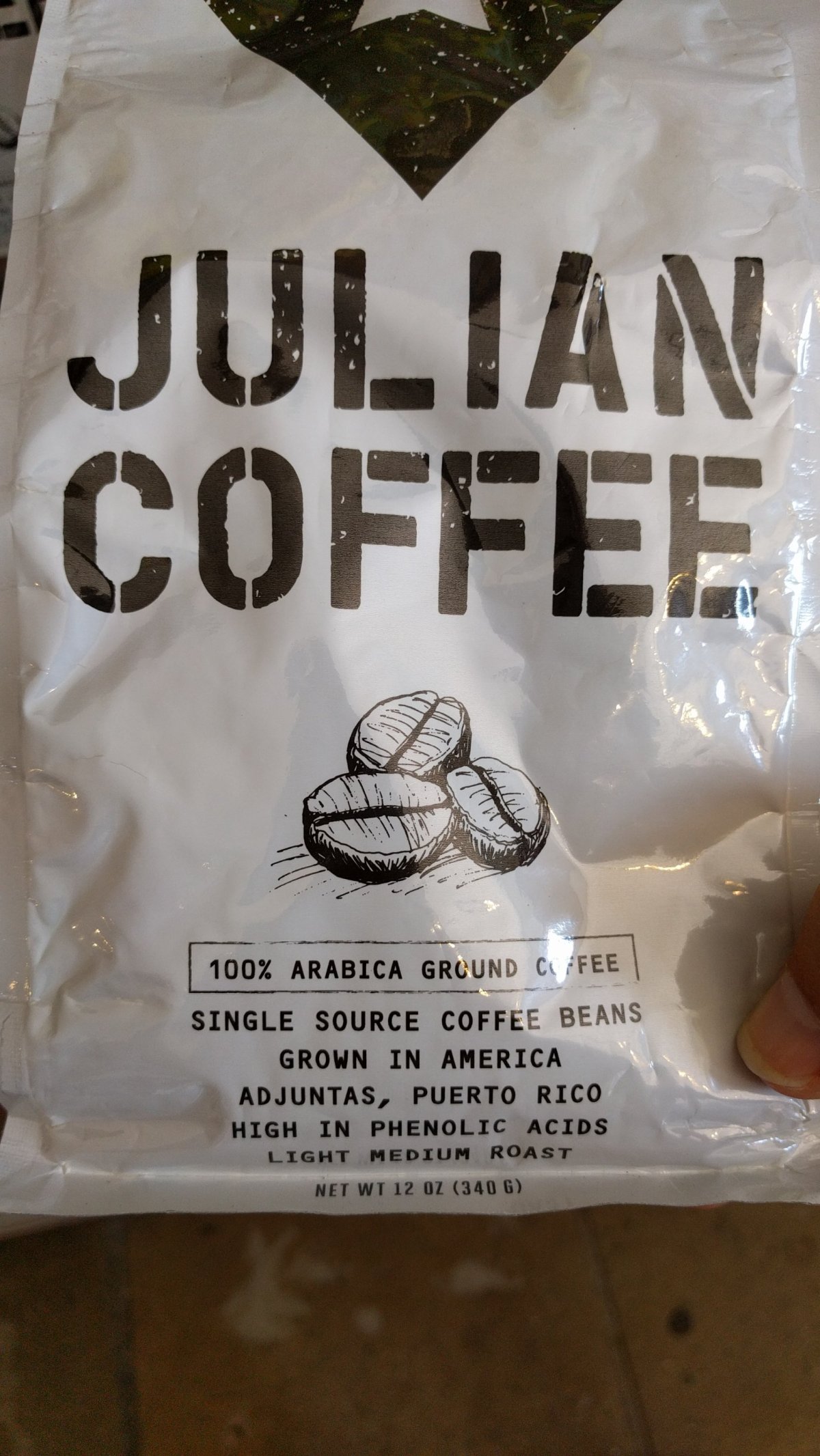
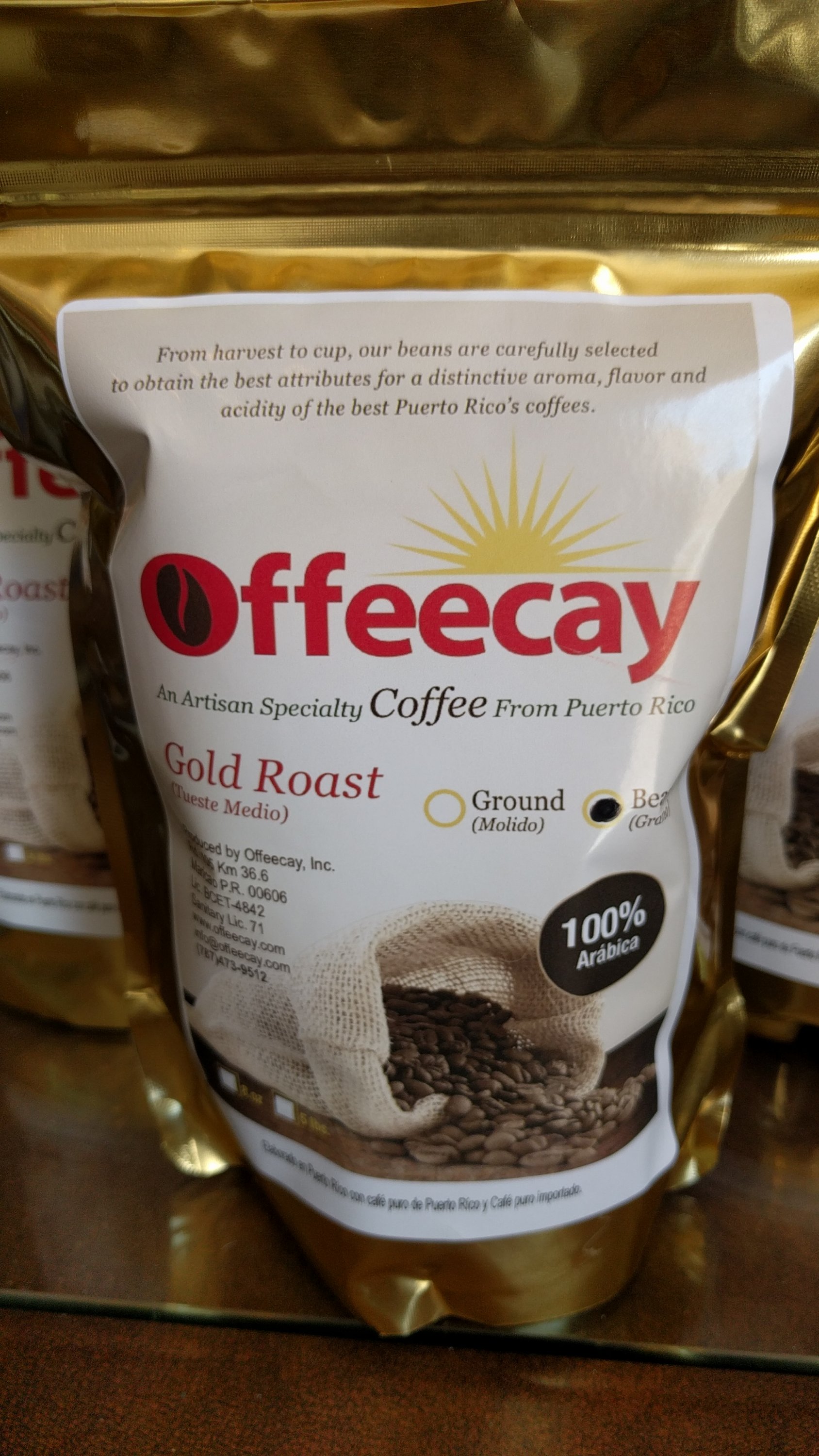
Coffee culture is fascinating. Different in Puerto Rico from St Maarten in many ways but essence is the same, that’s my conclusion after aspending 2 weeks in and around  San Juan. They favor more bitter cups of coffee in the Caribbean, IMHO. Dark roasted (French or Italian) blends of Latin American beans, some strengthened with Robusta beans.

The body is always unbalanced, though. Coffee is rarely ground on demand so it spoils quickly in the heat and humidity. In Puerto Rico they favor the espresso and cortadito whereas in Sint Maarten they favor plain filter coffee and lattes or flavored coffee with syrups. Saint Martin goes for espressos and cappuccinos but people often overheat the milk here.

Pack of coffee beans
Uncommon “medium roast” coffee from Puerto Rico

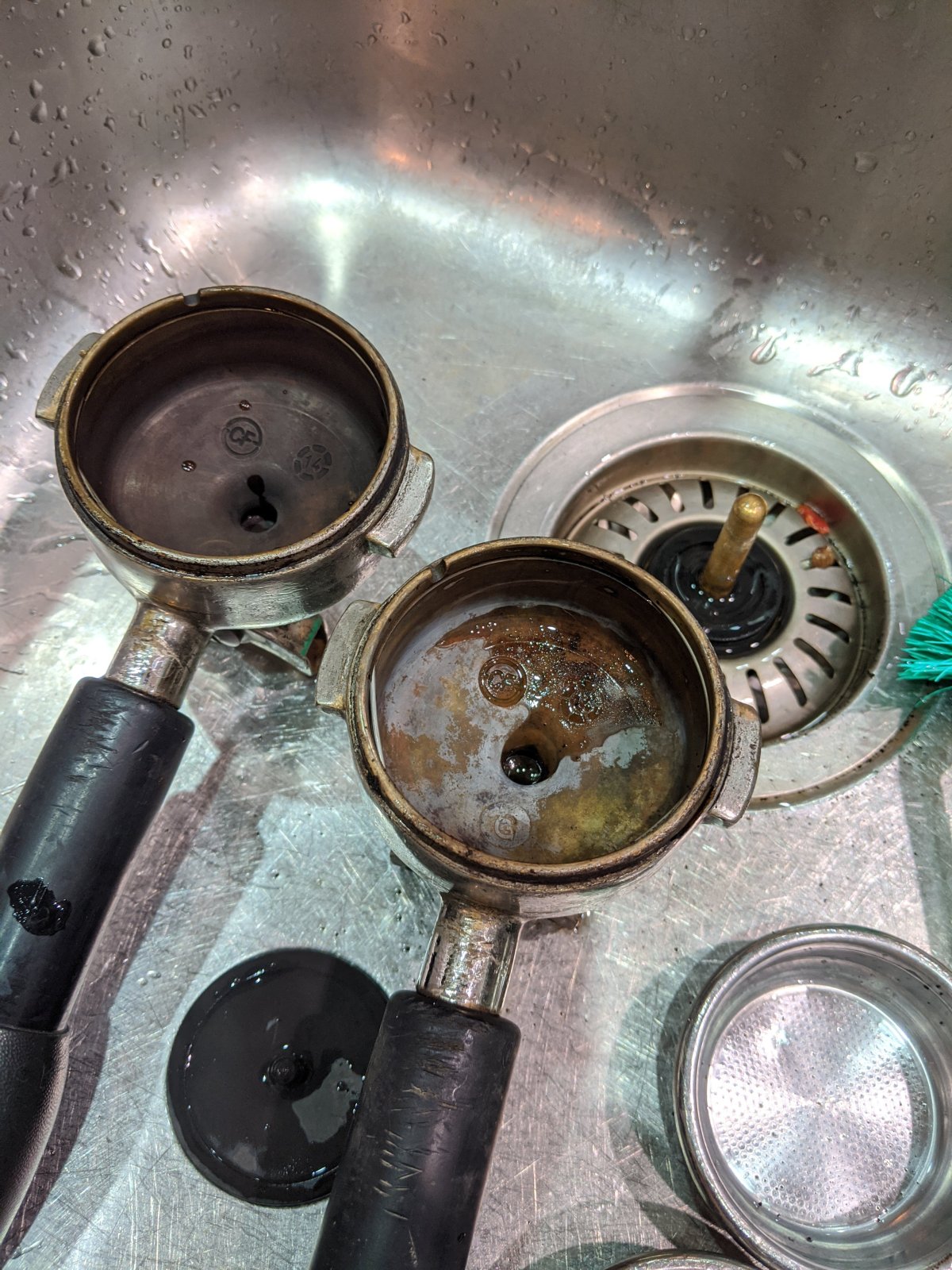
It’s just painful to taste all the uncleaned portafilters and old grinds together with the “spoiled” grinds that have been sitting there too long. Such a shame. Keeping up the spirit for a good coffee. Even if one in a hundred.

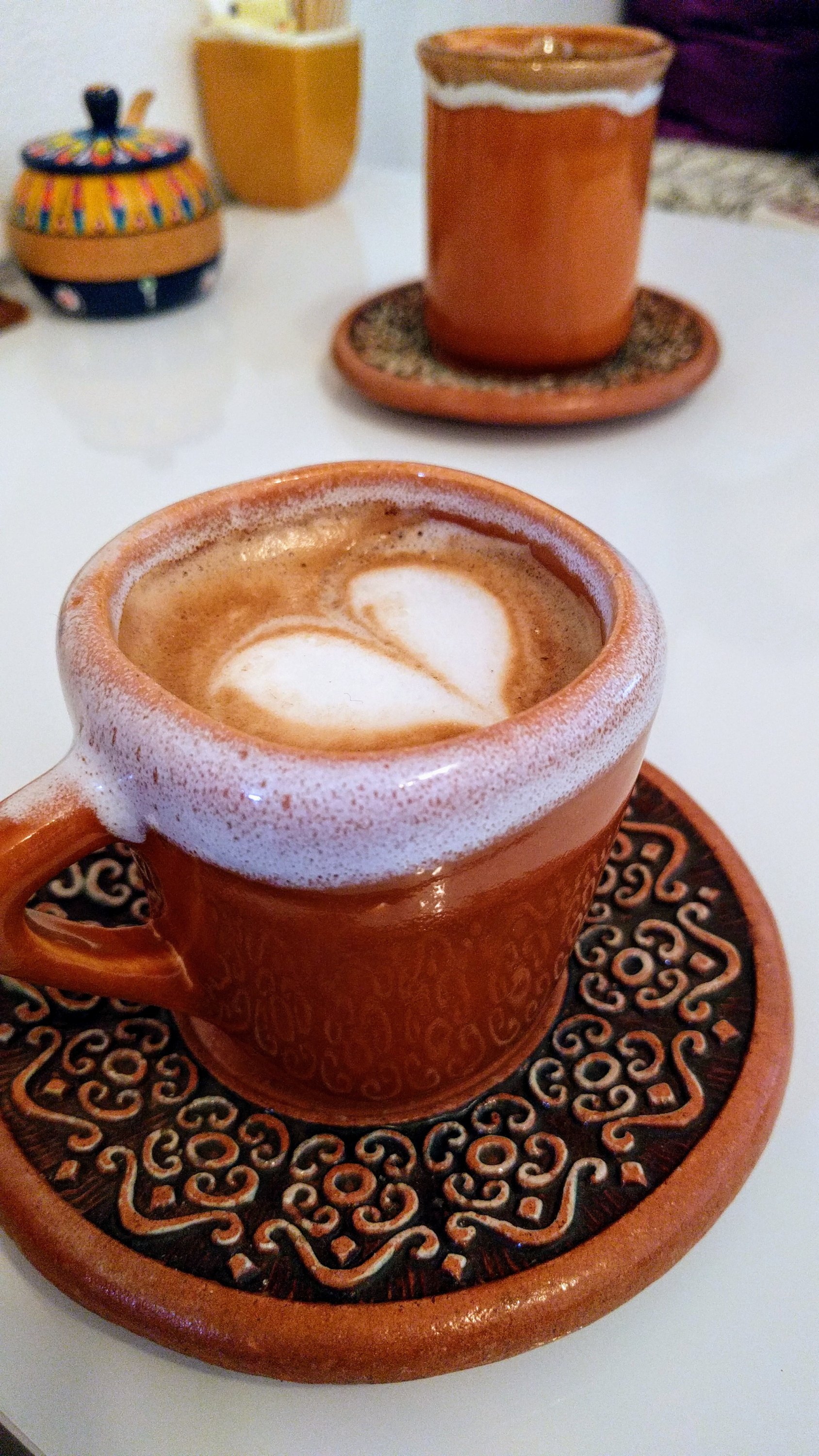
cappuccino cup
Cappuccino
Categories
brewing coffee news

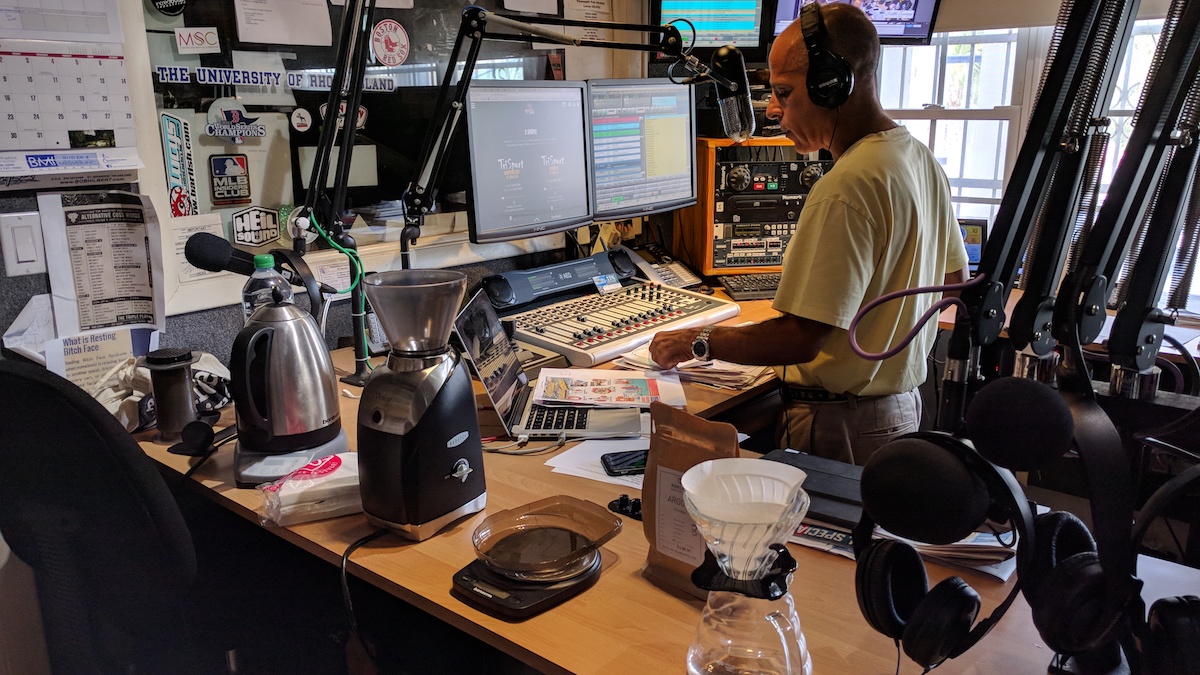
Barista Christian Peper on island92 radio

I had an interview with the famous Dr Soc of island92 radio last Monday. We talked about coffee in general and what you can do on the island of St Maarten make a better “cup ‘o joe” in the morning.

Summary:

No matter what ground coffee you are using on Sint Maarten, use a filter coffee maker and

  1. use Volvic (bottled) water
  2. boil the water and let it cool a minute or two
  3. pick a spoon to measure the ground coffee and always use the same exact one!
  4. use between 50 and 65 gram ground coffee per liter of water.
    I recommend starting with 30 gr for 500 ml and see how that tastes.

    • If too bitter: use less coffee, for instance 27.5 gram for 500 ml
    • If too bland: use more coffee, for instance 32.5 gram per 500 ml
  5. pour a little bit of the water onto the grounds and let the coffee “bloom” for 30 sec
  6. pour the rest of the coffee not taking more than 3 minutes for all the water to seep through
  7. let it cool a little bit before drinking

Enjoy!

Categories
coffee news

Going separate ways

Sadly, Market Garden, the Double Dutch Café and No Pressure Coffee will be going their separate ways as of today. It’s really difficult establishing specialty coffee standards in an area that still consumes large amounts of instant coffee, that was already known when we started our cooperation in March.

But it has proven increasingly more difficult to do so, instead of becoming easier, and that’s why No Pressure Coffee has decided to go its own way and seek a different cooperation.

We thank Market Garden and staff for their patience, effort and the opportunity. We wish them the best in their endeavors for the future with the cafe.

Categories
coffee news

Technical troubles on a tropical island

At work, our espresso machine broke down. The pump giving the 9 bars of pressure for the groups won’t start. But when manual flushing it works fine. Local coffee machine supplier Autobev says it’s the circuit boards. My guess is they were fried by a couple of successive power outages and a generator that did not kick in properly not timely.

On an island where everything is shipped in or flown in for emergencies, getting spare parts or qualified technicians is a bit of challenge.

We have several choices:

  1. Get full service from local company and have them order parts and do repairs
  2. Order spare parts from US and fly them in to have local company do repairs
  3. Ship machine to US to have it serviced under warranty and then ship it back
  4. Buy a new machine locally
  5. Buy a new machine in US and ship it to the island

Options 1-3 take several weeks, three at best, and there is no espresso in the mean time.

Option 4 could be good but depends on local supplies. On an island that still consumes vast amounts of instant Folgers, Maxwell House and Nescafé Coffee the odds are against you.

Option 5 is good but also takes at least 2 weeks.

We’re still looking at alternatives but lessons learned are:

  • Put equipment with circuitry on surge suppressors
  • Get a backup espresso machine for emergencies while your machine gets repairs
  • Get the numbers of all your equipment’s customer service and hotlines ready for the grab
Categories
coffee news roasting

Comparing different coffee bean suppliers in the Caribbean

Besides setting up a new espresso machine, I cannot think of anything more exciting for a barista than to sample and taste different coffee beans. Especially if they’re also from different suppliers.

So far I’ve been able to try a single origin Ethiopian Sidamo and Rwandan bean from Malongo, a French roaster in France with a local dealer. I personally like the fresh citrus flavors of Ethiopian coffee but the Rwandan bean made an excellent espresso and customers liked it better, or so it seemed. The acidity of the Ethiopia beans is too far from home for people who are used to dark French and Italian roasts from more or less generic commercial blends rather than specialty coffee beans.

I also sampled blends from Carib Bean Coffee in Antigua. Though I was disappointed to only receive blends from them, they were well balanced and accessible for everyone. Not just coffee fetishists such as myself! I believe their coffee could replace our standard Starbucks beans for milk based coffees easily and make an excellent coffee. I was most pleased with their Hurricane Brew, a medium dark blend, and the Primo Espresso, a very dark roast. That is surprising because I usually shy away from dark roasts for espresso. The beans were roasted fresh and shipping was swift, so their taste was outstanding!

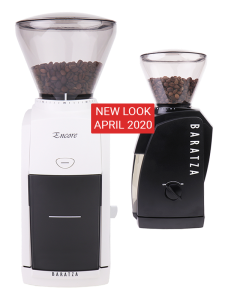
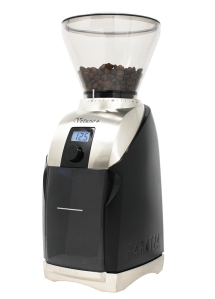
Lately I have had the pleasure of trying a few samples from Batdorf & Bronson, who’s roasting coffee in Olympia, WA. They roast n demand, after your order and ship quickly. So your order is as fresh as it can be, all things considered. Our shipping office sadly did not pack them on a temperature controlled container so I’m guessing it was a bit below their optimal flavors. However, upon opening the 12 oz “Dancing Goat” sample, we where amazed at the wonderful nutty and caramel odors and a beautiful warm saturated coffee wave came over us. After setting the Baratza grinder to the correct setting and weight, I was deeply moved to finally taste an outstanding coffee again on this island! Wow! The richness of the blend, the balance of the sugars, acidity and bitters was awesome. Full body, rich after taste. Hints of nuts, chocolate and other flavors that I simply could not identity quickly enough. Wonderful!

Besides the beans, however, there are others factors to consider. Cost, of course, but also reliability, logistics, reputation and their green bean sorcerer.

  1. Malongo is the closest but has the worst logistics process. Nothing is roasted to order, roast dates aren’t listed and all those things considered it is rather expensive coffee.
  2. Carib Bean Coffee is not on the island but on regular shipping routes, both by air and seas. So delivery could be regular. The blends are better than Malongo and prices relatively better. It’s a regional respected company with a name to loose so they could make a good partner for introducing third wave coffee in St Maarten and the Caribbean!
  3. Batdorf has the best coffee, it’s roasted to order and shipping is speedy. It’s hard and expensive to get a few pounds here in a cooled container, so we’d probably have to order up and minimize transport costs. However, that negates the freshness of the bean because they’ll be waiting in our fridges,.not someone else’s. They are specialty coffee roaster and have made quite a name, so also a great company to partner with if the logistics can be optimized.

All in all very complex but exciting!

Once I have tasted all the samples, I plan on ordering two coffees from each candidate and organize a coffee tasting for the management team of the Market Garden supermarket and a few others. This way, they get to participate in what I’m doing and learn more about coffee, brewing, roasts, flavors and third wave coffee!

Categories
coffee news roasting

Sourcing coffee beans, next stage

The story continues…

After choosing two US coffee roasters from the short list of four for Double Dutch Café, we have entered the next stage.

  • Amavida.com (Florida, US)
  • Batdorfcoffee.com (Washington, US)
  • Carib Bean Coffee Company (Antigua, WI)

We’re ordering samples from all suppliers, determine how the ordering process works and how we must handle the logistics of getting the fresh roasted beans from a warehouse in Miami to Sint Maarten.

I trust they will deliver them appropriately to Miami but the warehouse must store them in a temperature controlled environment and ship them in the same way.

It will be learning experience for everyone on our side, because coffee is usually not treated with this much care.

As for Carib Bean Coffee in Antigua, they roast locally and import beans to their island, as far as I know.

Update: the Hurricane Brew (medium/dark roast) is a mix of 5 different Arabica beans and came out splendidly on our espresso machine! It came via airmail, which is expensive, but _fast_!