Categories
brewing coffee news

Brewing Coffee with Ultrasound

A site called LabDownUnder has a blog about research from Australia that explores using ultrasound to brew coffee. In other words, the high-pitched sound waves used in medical imaging can also make a cup of coffee!

They wanted to see if ultrasound could change how much of the good substances (such as caffeine, oils, and flavors) gets extracted from the coffee grounds.

Coffee Sonication

To test this, they brewed filter coffee with and without ultrasound, changing things such as how much coffee they used, the water temperature, and how long they used the ultrasound. They then measured the concentrations or quantities of antioxidants, caffeine or oils, and the specific smells and flavors in the brewed coffee. They also judged what the coffee looked like – its color and how much foam it made.

Ultrasound can be used to extract important compounds in the brewing process through what is known as cavitation. As the sound waves travel through the water surrounding the grounds, differences in pressure create microscopic bubbles which themselves expand and collapse.

LabDownUnder

The Findings

They found that ultrasound helped get more caffeine and oils out of the coffee grounds. This is probably because the ultrasound waves shake things up at ultra fast rates, making it easier for the compounds in coffee to dissolve into the water. They also found that ultrasound helped extract more of the compounds that give coffee its aroma, which means the coffee might smell even better!

However, they noticed that ultrasound seemed to decrease the amount of antioxidants in the coffee, especially when they used it for longer or at higher temperatures. Also, the coffee brewed with ultrasound had a lighter color and less foam, which they think is because of the extra oils. These oils are called triglycerides.

While traditionally the crema floats on top of the coffee, ultrasound actually emulsifies the triglycerides (oils) that make up the crema layer with the beverage, mixing them together. This created a milky-looking beverage with caramel tones.

The Results

Overall, the research suggests that using ultrasound to brew coffee could be a way to make coffee with more caffeine, a richer flavor, and a stronger aroma. However, it might also have less antioxidants and a slightly different appearance. More research is needed to fully understand the potential of ultrasound in coffee brewing.

Dr Francisco Trujillo of the School of Chemical Engineering of UNSW was chief investigator behind the study. The original article has a link to a video made by the researchers, that I cannot link to without permissions. They also show a photo with a color comparison between French press and sonicated coffee. The sonicated coffee looks like it already has milk added to it, when it doesn’t! Check the link to the blog at the top.

Useful links

Categories
brewing coffee news

Best coffee machine for home baristas

I get asked this question a lot: “What’s the best coffee machine for at home?” Just like: “What’s the best coffee to buy?”

I understand why people ask it, though. They want an experienced opinion. I’ve tasted more coffees than most. Unfortunately, it is not that easy.

To answer the question: “What is the best coffee machine to use at home?”, I would first need to know what kind of coffee you prefer? In other words, the drink itself:

  • Black or milk-based coffee?
  • Espresso or filter coffee?
  • Drip, pour-over or submersion coffee?

To choose the best coffee machine for making coffee at home, you need to find your favorite style next. Then find the best machine that suits that style. That said, I can give a couple of recommendations for good coffee machines for your home. These machines make a great cup of coffee every single day.

Most people either prefer espresso-based coffee or filter coffee. We have all grown up to become accustomed to dark roasted, fairly bitter tasting coffee (with or without milk). With that in mind…

Espresso machines

When buying any espresso machine, do pay attention to the diameter of the portafilter. It is a handle-like device that holds the coffee grounds and attaches to the espresso machine’s brewing group. The portafilter plays a crucial role in the extraction process, determining the flavor, strength, and quality of the espresso shot.

Ensure that this is 53 – 58 mm, which are the industry standards. It should hold 14 – 24 gr of ground coffee. Anything smaller will also work but it will be much harder to find parts, accessories and additional tools. And you will get more tools! LOL

Fully automatic

Don’t get a fully automatic machine! Ever! Seriously.

My biggest complaint about fully automatic espresso machines is that they grind the beans for you without any useful form of manual adjustments. The manufacturer will never include a great grinder. That would make the machine too expensive. Always get a separate grinder, it will last you at least 10 years.

These automatic machines focus on convenience, speed and not flavor. So in my opinion, this is always a setback that I can’t except.

If you prefer speed and ease over flavor, then choose either of these:

Sage and Breville are essentially the same Australian company with different brands for Europe and US/UK (resp.)

Wikipedia

The Pro version lets you tamp the coffee yourself. The Impress version has a built-in tamper and will do it for you. ¯\_(ツ)_/¯ Since tamping affects taste much, I prefer to do it myself.

I personally don’t like a Jura machine. Although it’s pretty, it’s too limited and maintenance is expensive. Sorry Jura.

Semi automatic

These machines are more my style. They automate some of the actions but not all. This gives you more control over the espresso that’s brewed. Note that a great espresso maker will cost at least 1250-1500 Euro/Dollars because of the quality of the parts and build. That does not include a grinder!

Your biggest choice depends on how you drink your coffee: black or white?

If you prefer black coffee (an espresso, long black or americano), your life is easy: choose a single boiler machine. They’re a lot cheaper.

Do you (or your partner) prefer white coffees? Think about how many cappuccinos or lattes you will make? For one or two each time, it’s fine to get a single boiler machines as well. First froth your milk then brew the espressos! If you drink more coffee daily or host regular dinner parties, then you should opt for a dual boiler machine. That way, you can start frothing the milk while the espressos are still brewing.

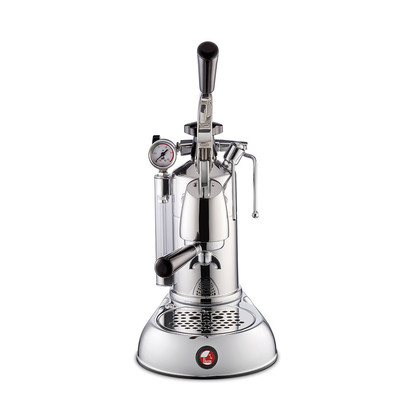
La Pavoni stradivari lever machine
La Pavoni Stradivari

Manual espresso machines

A category on their own for this is where innovation really shines.

Superkop is a brand new, solid, durable design and fully non-electrified. It will work when the power is out, on the road or camping, when disaster strikes and zombies invade our homes! It only needs hot water and ground coffee. It will last a lifetime with only a few replaceable moving parts.

The lever-operated La Pavoni is a classic machine! A gorgeous design that does require some practice and getting used to. Once you do, it is the holy grail of many baristas. Beautiful to look at and room for creativity to add you own special twists when making an espresso.

The Flair revolutionized the world of home baristas when it appeared on Kickstarter. It’s cheap, easy to make, easy to use and a great way to get into making better coffee at home. Quality has improved a lot since and you can’t go wrong with it!

Filter coffee machines

moccamaster KGB select wireframe
Moccamaster KGB Select

The traditional home coffee makers have received a ton of innovations and improvements over the last 3-5 years. Coffee making, filter coffee at home, has drastically improved since the 80s and 90s. Designer machines, premium options, gorgeous materials and very reliable manufacturing mean that today’s coffee maker is light years ahead of those our parents and grandparents used.

I can recommend one of these four machines:

Moccamaster has been the go-to coffee maker for many official coffee competitions and conferences. They’ve been around for 40 years and are rock solid, well built and easy to maintain or repair.

You can also refer to the SCA certified list of approved coffee makers. The Specialty Coffee Association takes their work very seriously. Every machine is thoroughly tested and retested to ensure it makes a great cup every single time, all the time.

I hope this answered some of your questions and gave you a good start to selecting the best coffee machine for your home. Maybe it just confused you more and made you reevaluate what it is you want. Then at least I did my job. Trust me when I say that you will not find the best machine in one go. I will take several iterations before you find what works best.

Most of all, your taste for coffee will change and that brings new machines, new coffees, new equipment and new kitchen setups. If you can, buy second hand on Ebay or your local penny savers. Closed restaurants often sell off their equipment to pay debts. That’s a nice way to get a premium machine for less.

PS: If you follow my advice above and do not buy a fully automatic machine, you will need to also buy a good grinder. That’s a whole new subject, but for starters I can recommend watching James Hoffman’s review video:

Categories
news

Sociale Hygiëne geslaagd

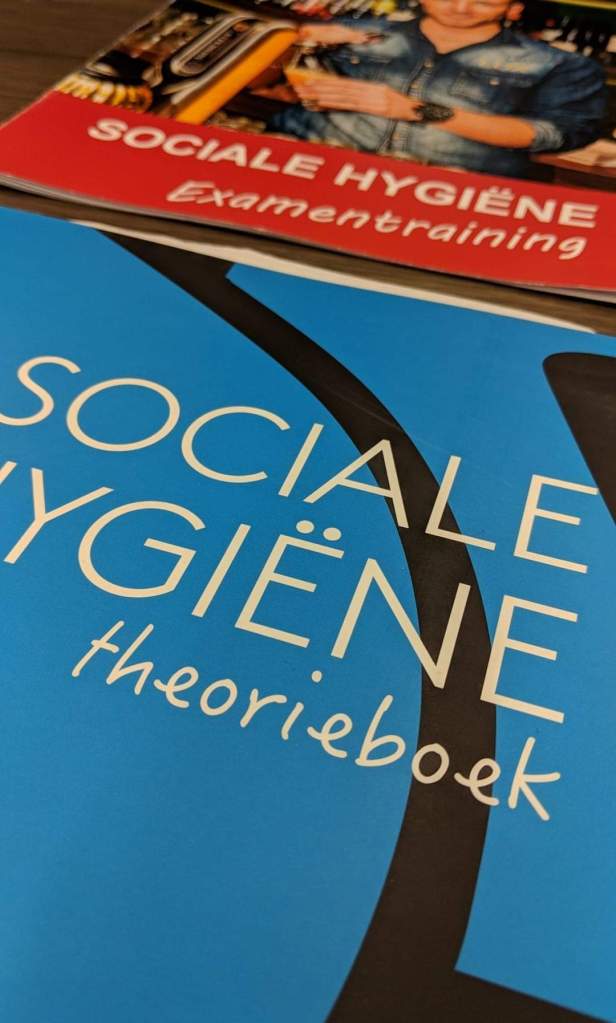
Zojuist online vernomen dat ik 37/40 vragen van het examen sociale hygiëne van maandag 7 oktober j.l. in Amsterdam goed heb. Daarmee is de voorlopige uitslag dat ik geslaagd ben!

sociale hygiene
Sociale hygiëne examentheorie

Dus nu ben ik bevoegd om namens een eigenaar of leidinggevende van een horecabedrijf achter de bar te staan, als bartender en/of barista. Helaas dat barista zijn ook vaak bartender zijn inhoudt, maar heel erg is het ook niet. Het ene kan goed in het andere overgaan. En als Sommelier opent dat ook weer deuren, achter de bar staan.

Categories
news

No Pressure Coffee and Double Dutch Café

Proud to announce a cooperation between No Pressure Coffee and the new food corner inside the Market Garden supermarket: Double Dutch.

The Double Dutch Café, also known as the Market (Garden) Café, serves breakfast and lunch with a variety of ready-to-eat products ranging from fresh fruit and vegetable juices or smoothies, to espresso, Cappuccino and Cortado, iced coffees, to sandwiches, overnight oats, fruit salads, rotisserie chicken, sushi homemade soups and Johnny Cakes baked fresh all day long.

No Pressure Coffee provided consulting on the coffee corner in the cafe. Where to place.the espresso machine, which grinders would work for the expected volume, which beans to use, calibration of the machinery and the coffee recipes. 4 local employees where chosen to get elementary training to make the top 3 key popular coffee drinks: espresso, cappuccino and latte. Work book with guides and rules were established fitting for a coffee shop that aims for establishing specialty coffee on the island of St Maarten.

The cafe is competitively priced and features an outside seating area. The new food corner complements the already well-known breakfast and lunch buffets of the supermarket. The Double Dutch food corner also serves the hotel guests who are staying in the Commodore Suites, so there is a steady flow of people and products.

The final layout of the food area inside the supermarket is not yet established so expect to see some changes throughout the year until we settle in what works the best.

Expect more choices among the favorite dishes from around the world in a mix of international foods and snacks.