
Hello, fellow coffee nerds! ☕️🔬
I have always wondered how my coffee brew gets its zing. What makes up that “Golden Cup” of coffee? Why is one cup extraordinarily great and the next good but not quite that good, even though you used the same beans, same grinder, same water, same brew method?
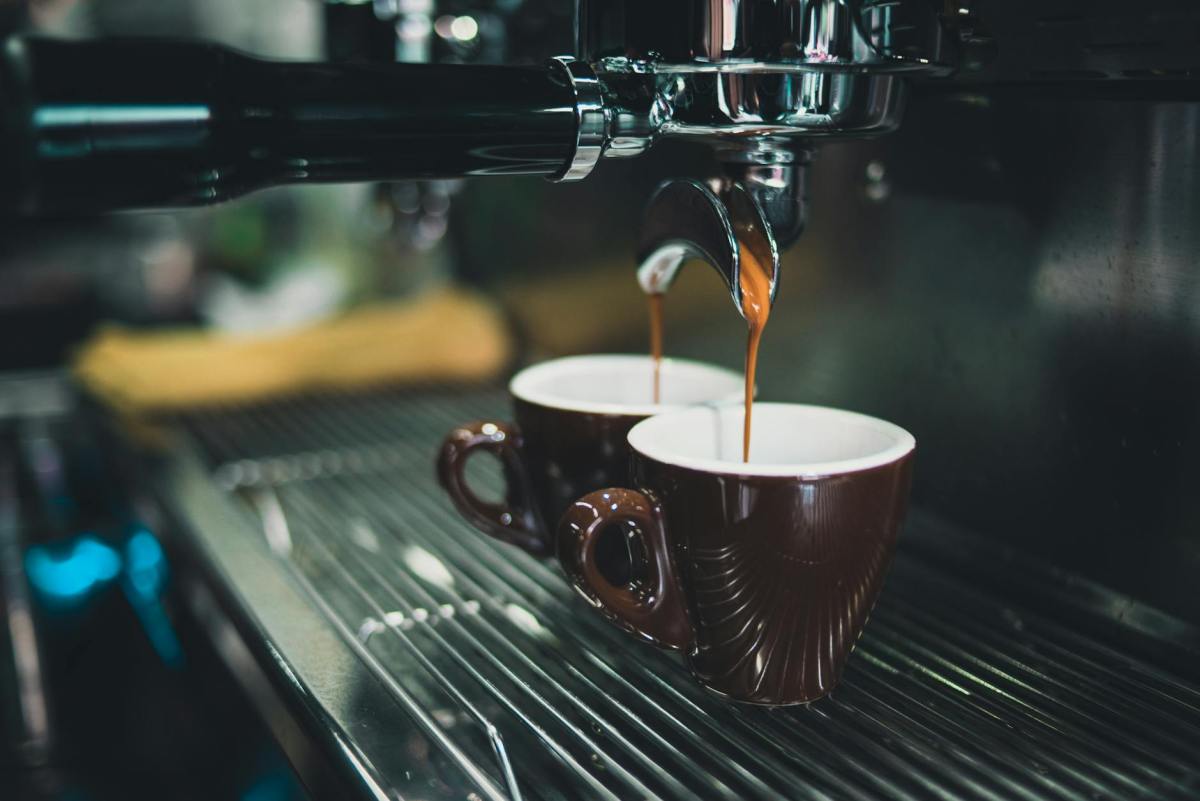
The art of being a good barista is that you’re able to make a great coffee every single time. Turns out it’s not just about coffee beans and water, it’s actually a whole chemistry lab in your cup! 🧪
Five years ago, the Simonelli Group reached out to the Coffee Science Foundation, asking if they could somehow work together on cutting-edge espresso research? That open question in 2019 led to the start of an exciting multi-year research project by Professor Christopher Hendon at the University of Oregon, that wants to measure the chemistry that goes on in your cup of espresso.
That initial conversation led to a truly exciting initiative—a multi-year research project aimed at measuring espresso chemistry, correlating those measurements to sensory attributes, and laying the groundwork for science-based useable tools for the coffee industry.
Long story short: scientists are using electricity to break down what’s in your espresso. How do chemical compounds affect the taste of the cup of coffee and the flavors that you experience? 🤯
We all know coffee can taste amazing, but it can also be a rollercoaster of flavors. Is it the beans, the roast, the water, or your barista skills? 🤔 Turns out, it’s all of these things, plus a bunch of tiny molecules we’re just starting to understand.
Traditionally, we’ve always measured coffee strength using TDS (Total Dissolved Solids) – basically, how much coffee stuff is dissolved in the water. Coffee is still 98-99% water. But here’s the thing: you can have two cups with the same TDS that taste totally different. 🤯 That’s because TDS doesn’t tell us what kind of stuff is dissolved, just how much.
This is where electrochemistry comes in. It’s like using a tiny electric probe to see what molecules are in your coffee and how many of them there are. Different molecules react to electricity in different ways, so we can use this characteristic to create a kind of “fingerprint” of your brew.
This is super cool for a few reasons. First, it can help us understand how things like roast level, brewing time, and even the type of beans affect the flavor. 🔬 Second, it could lead to new tools for baristas to dial in their espresso perfectly every time. 🤩
The research is still ongoing, but the possibilities are endless. Imagine being able to measure the exact chemical makeup of your coffee and adjust your recipe to create the ultimate flavor experience. 🤤
So, next time you’re sipping your latte, remember: there’s a whole world of science behind that deliciousness. And who knows, maybe one day you’ll be using electrochemistry to brew the perfect cup! ☕️😎
Source: Amped Up: Using Electricity to Detect and Quantify Molecules in Brewed Coffee | 25, Issue 18
 No Pressure Coffee