I have always wondered how my coffee brew gets its zing. What makes up that “Golden Cup” of coffee? Why is one cup extraordinarily great and the next good but not quite that good, even though you used the same beans, same grinder, same water, same brew method?
The art of being a good barista is that you’re able to make a great coffee every single time. Turns out it’s not just about coffee beans and water, it’s actually a whole chemistry lab in your cup! 🧪
Five years ago, the Simonelli Group reached out to the Coffee Science Foundation, asking if they could somehow work together on cutting-edge espresso research? That open question in 2019 led to the start of an exciting multi-year research project by Professor Christopher Hendon at the University of Oregon, that wants to measure the chemistry that goes on in your cup of espresso.
That initial conversation led to a truly exciting initiative—a multi-year research project aimed at measuring espresso chemistry, correlating those measurements to sensory attributes, and laying the groundwork for science-based useable tools for the coffee industry.
Long story short: scientists are using electricity to break down what’s in your espresso. How do chemical compounds affect the taste of the cup of coffee and the flavors that you experience? 🤯
We all know coffee can taste amazing, but it can also be a rollercoaster of flavors. Is it the beans, the roast, the water, or your barista skills? 🤔 Turns out, it’s all of these things, plus a bunch of tiny molecules we’re just starting to understand.
Traditionally, we’ve always measured coffee strength using TDS (Total Dissolved Solids) – basically, how much coffee stuff is dissolved in the water. Coffee is still 98-99% water. But here’s the thing: you can have two cups with the same TDS that taste totally different. 🤯 That’s because TDS doesn’t tell us what kind of stuff is dissolved, just how much.
This is where electrochemistry comes in. It’s like using a tiny electric probe to see what molecules are in your coffee and how many of them there are. Different molecules react to electricity in different ways, so we can use this characteristic to create a kind of “fingerprint” of your brew.
This is super cool for a few reasons. First, it can help us understand how things like roast level, brewing time, and even the type of beans affect the flavor. 🔬 Second, it could lead to new tools for baristas to dial in their espresso perfectly every time. 🤩
The research is still ongoing, but the possibilities are endless. Imagine being able to measure the exact chemical makeup of your coffee and adjust your recipe to create the ultimate flavor experience. 🤤
So, next time you’re sipping your latte, remember: there’s a whole world of science behind that deliciousness. And who knows, maybe one day you’ll be using electrochemistry to brew the perfect cup! ☕️😎
Source: Amped Up: Using Electricity to Detect and Quantify Molecules in Brewed Coffee | 25, Issue 18
I get asked this question a lot: “What’s the best coffee machine for at home?” Just like: “What’s the best coffee to buy?”
I understand why people ask it, though. They want an experienced opinion. I’ve tasted more coffees than most. Unfortunately, it is not that easy.
To answer the question: “What is the best coffee machine to use at home?”, I would first need to know what kind of coffee you prefer? In other words, the drink itself:
Black or milk-based coffee?
Espresso or filter coffee?
Drip, pour-over or submersion coffee?
To choose the best coffee machine for making coffee at home, you need to find your favorite style next. Then find the best machine that suits that style. That said, I can give a couple of recommendations for good coffee machines for your home. These machines make a great cup of coffee every single day.
Most people either prefer espresso-based coffee or filter coffee. We have all grown up to become accustomed to dark roasted, fairly bitter tasting coffee (with or without milk). With that in mind…
Espresso machines
When buying any espresso machine, do pay attention to the diameter of the portafilter. It is a handle-like device that holds the coffee grounds and attaches to the espresso machine’s brewing group. The portafilter plays a crucial role in the extraction process, determining the flavor, strength, and quality of the espresso shot.
Ensure that this is 53 – 58 mm, which are the industry standards. It should hold 14 – 24 gr of ground coffee. Anything smaller will also work but it will be much harder to find parts, accessories and additional tools. And you will get more tools! LOL
Fully automatic
Don’t get a fully automatic machine! Ever! Seriously.
My biggest complaint about fully automatic espresso machines is that they grind the beans for you without any useful form of manual adjustments. The manufacturer will never include a great grinder. That would make the machine too expensive. Always get a separate grinder, it will last you at least 10 years.
These automatic machines focus on convenience, speed and not flavor. So in my opinion, this is always a setback that I can’t except.
If you prefer speed and ease over flavor, then choose either of these:
The Pro version lets you tamp the coffee yourself. The Impress version has a built-in tamper and will do it for you. ¯\_(ツ)_/¯ Since tamping affects taste much, I prefer to do it myself.
I personally don’t like a Jura machine. Although it’s pretty, it’s too limited and maintenance is expensive. Sorry Jura.
Semi automatic
These machines are more my style. They automate some of the actions but not all. This gives you more control over the espresso that’s brewed. Note that a great espresso maker will cost at least 1250-1500 Euro/Dollars because of the quality of the parts and build. That does not include a grinder!
Your biggest choice depends on how you drink your coffee: black or white?
If you prefer black coffee (an espresso, long black or americano), your life is easy: choose a single boiler machine. They’re a lot cheaper.
Do you (or your partner) prefer white coffees? Think about how many cappuccinos or lattes you will make? For one or two each time, it’s fine to get a single boiler machines as well. First froth your milk then brew the espressos! If you drink more coffee daily or host regular dinner parties, then you should opt for a dual boiler machine. That way, you can start frothing the milk while the espressos are still brewing.
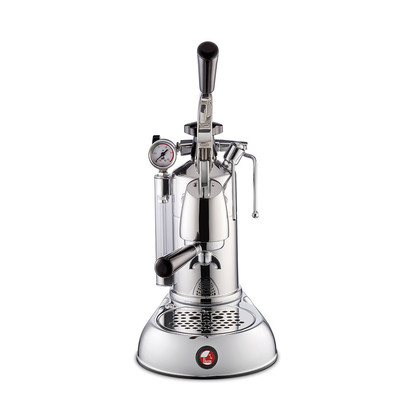
La Pavoni Stradivari
Manual espresso machines
A category on their own for this is where innovation really shines.
Superkop is a brand new, solid, durable design and fully non-electrified. It will work when the power is out, on the road or camping, when disaster strikes and zombies invade our homes! It only needs hot water and ground coffee. It will last a lifetime with only a few replaceable moving parts.
The lever-operated La Pavoni is a classic machine! A gorgeous design that does require some practice and getting used to. Once you do, it is the holy grail of many baristas. Beautiful to look at and room for creativity to add you own special twists when making an espresso.
The Flair revolutionized the world of home baristas when it appeared on Kickstarter. It’s cheap, easy to make, easy to use and a great way to get into making better coffee at home. Quality has improved a lot since and you can’t go wrong with it!
Filter coffee machines
Moccamaster KGB Select
The traditional home coffee makers have received a ton of innovations and improvements over the last 3-5 years. Coffee making, filter coffee at home, has drastically improved since the 80s and 90s. Designer machines, premium options, gorgeous materials and very reliable manufacturing mean that today’s coffee maker is light years ahead of those our parents and grandparents used.
Moccamaster has been the go-to coffee maker for many official coffee competitions and conferences. They’ve been around for 40 years and are rock solid, well built and easy to maintain or repair.
You can also refer to the SCA certified list of approved coffee makers. The Specialty Coffee Association takes their work very seriously. Every machine is thoroughly tested and retested to ensure it makes a great cup every single time, all the time.
I hope this answered some of your questions and gave you a good start to selecting the best coffee machine for your home. Maybe it just confused you more and made you reevaluate what it is you want. Then at least I did my job. Trust me when I say that you will not find the best machine in one go. I will take several iterations before you find what works best.
Most of all, your taste for coffee will change and that brings new machines, new coffees, new equipment and new kitchen setups. If you can, buy second hand on Ebay or your local penny savers. Closed restaurants often sell off their equipment to pay debts. That’s a nice way to get a premium machine for less.
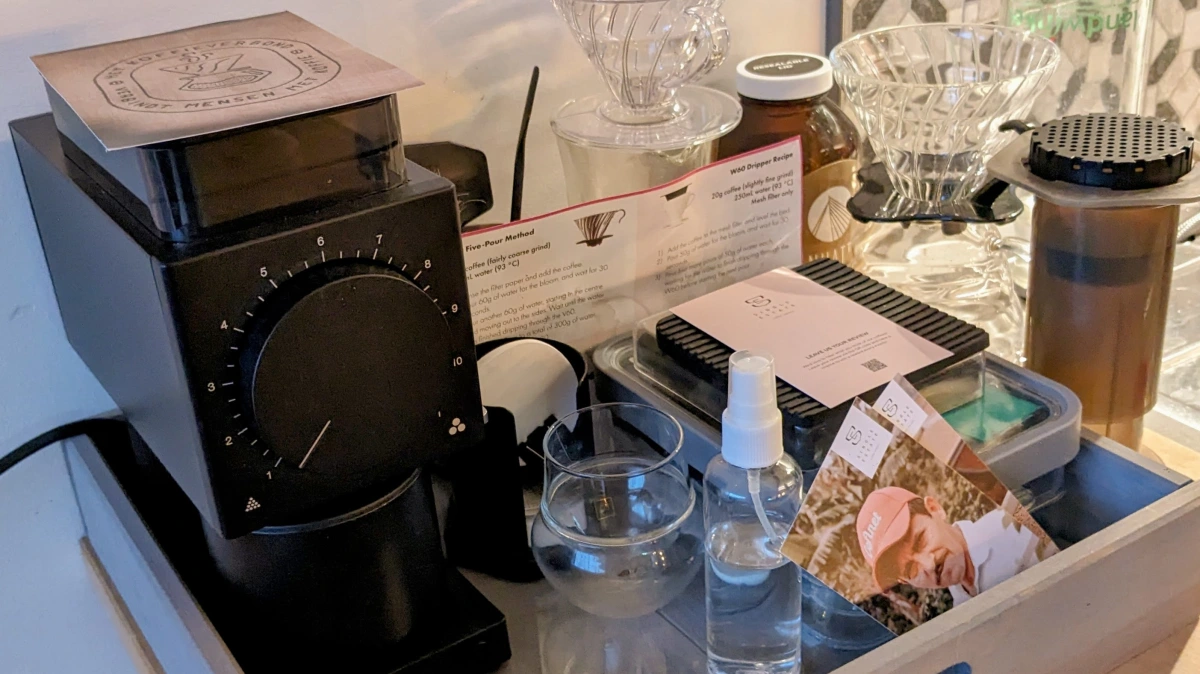
PS: If you follow my advice above and do not buy a fully automatic machine, you will need to also buy a good grinder. That’s a whole new subject, but for starters I can recommend watching James Hoffman’s review video:


 No Pressure Coffee