
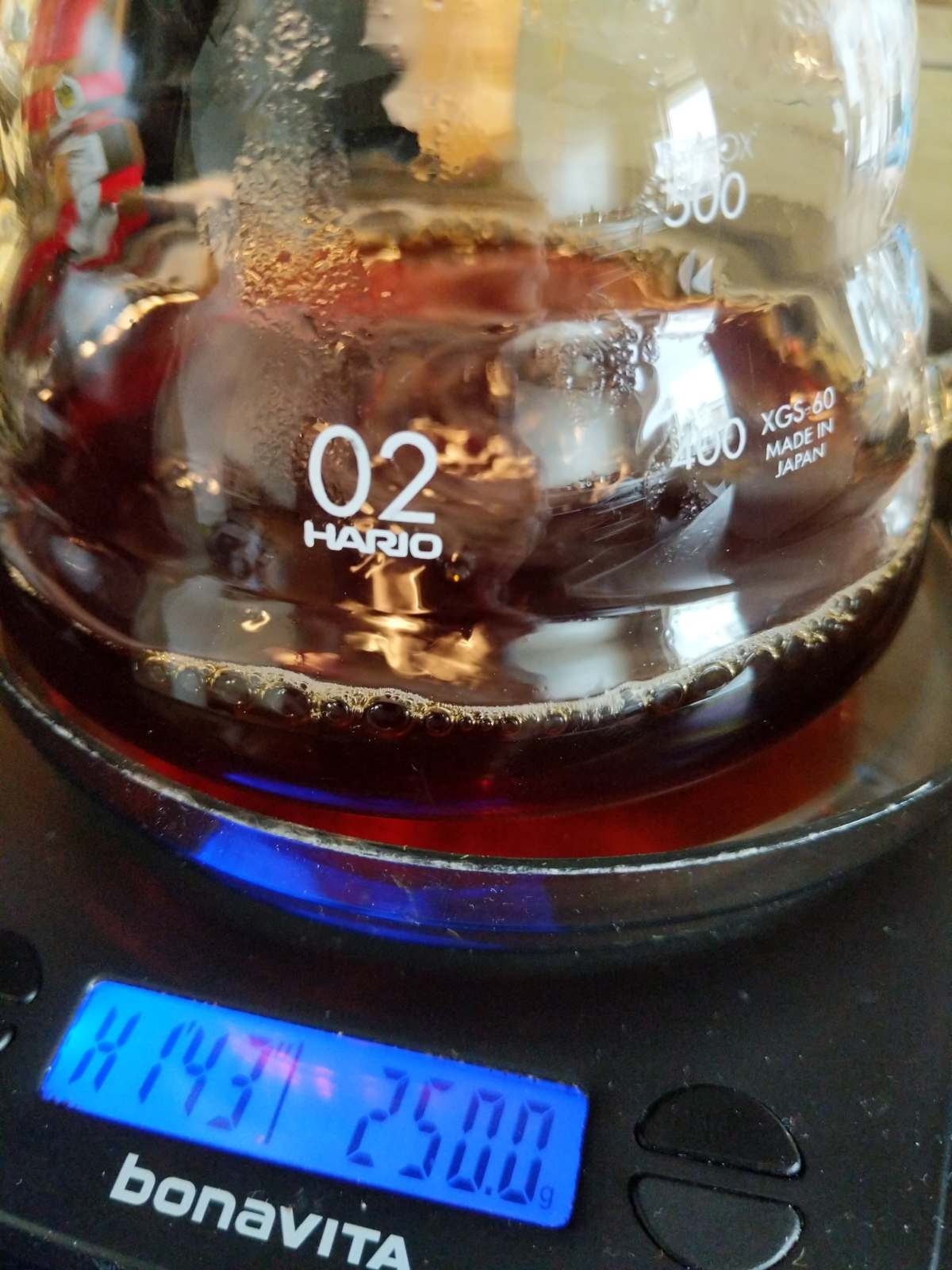
A site called LabDownUnder has a blog about research from Australia that explores using ultrasound to brew coffee. In other words, the high-pitched sound waves used in medical imaging can also make a cup of coffee!
They wanted to see if ultrasound could change how much of the good substances (such as caffeine, oils, and flavors) gets extracted from the coffee grounds.
Coffee Sonication
To test this, they brewed filter coffee with and without ultrasound, changing things such as how much coffee they used, the water temperature, and how long they used the ultrasound. They then measured the concentrations or quantities of antioxidants, caffeine or oils, and the specific smells and flavors in the brewed coffee. They also judged what the coffee looked like – its color and how much foam it made.
Ultrasound can be used to extract important compounds in the brewing process through what is known as cavitation. As the sound waves travel through the water surrounding the grounds, differences in pressure create microscopic bubbles which themselves expand and collapse.
LabDownUnder
The Findings
They found that ultrasound helped get more caffeine and oils out of the coffee grounds. This is probably because the ultrasound waves shake things up at ultra fast rates, making it easier for the compounds in coffee to dissolve into the water. They also found that ultrasound helped extract more of the compounds that give coffee its aroma, which means the coffee might smell even better!
However, they noticed that ultrasound seemed to decrease the amount of antioxidants in the coffee, especially when they used it for longer or at higher temperatures. Also, the coffee brewed with ultrasound had a lighter color and less foam, which they think is because of the extra oils. These oils are called triglycerides.
While traditionally the crema floats on top of the coffee, ultrasound actually emulsifies the triglycerides (oils) that make up the crema layer with the beverage, mixing them together. This created a milky-looking beverage with caramel tones.
The Results
Overall, the research suggests that using ultrasound to brew coffee could be a way to make coffee with more caffeine, a richer flavor, and a stronger aroma. However, it might also have less antioxidants and a slightly different appearance. More research is needed to fully understand the potential of ultrasound in coffee brewing.
Dr Francisco Trujillo of the School of Chemical Engineering of UNSW was chief investigator behind the study. The original article has a link to a video made by the researchers, that I cannot link to without permissions. They also show a photo with a color comparison between French press and sonicated coffee. The sonicated coffee looks like it already has milk added to it, when it doesn’t! Check the link to the blog at the top.
Useful links
- Original scientific article
https://www.sciencedirect.com/science/article/abs/pii/S1350417719310880 - Follow-up for making cold brew in no time
https://www.unsw.edu.au/newsroom/news/2024/05/Ultrasonic_cold_brew_coffee_ready_under_three_minutes - Using a jewelry ultrasonic cleaner to replicate the experiment
https://youtu.be/f48oudGe27o?si=oYEw33bsuX0Fb9D1 - Video from UNSW to make cold brew
https://www.youtube.com/watch?v=paDL4uqSMY0

 No Pressure Coffee